
Product selection is the single most critical decision for cross-border ecommerce sellers. Get it right, and you scale fast. Get it wrong, and inventory piles up while margins disappear. As we move through 2026, global consumer trends are shifting rapidly — AI-powered hardware, smart home devices, portable tech, and health & wellness products are leading the charge. This article breaks down the top cross-border ecommerce product selection trends and 5 profitable niches worth your attention this year.
According to the latest market data, the global cross-border ecommerce market is projected to exceed $4.8 trillion in 2026. The fastest-growing categories include smart wearables (+23% YoY), AI consumer electronics (+31%), smart home tech (+18%), and outdoor portable gear (+15%). What do these categories have in common? Moderate technical barriers, mature supply chains, mid-to-high price points, and solid repeat purchase rates — the perfect formula for sustainable cross-border selling.
The core logic of product selection has shifted from “finding cheap products” to “finding differentiated value.” Simple mass-listing strategies are being replaced by data-driven selection + branded operations. Here are the 5 most promising product selection directions for cross-border sellers in 2026.

Ortizan Bluetooth Speakers 40W Enhanced Bass Portable Outdoor Wireless Speaker
Top-rated product for cross-border ecommerce sellers
🛒 Buy Now
1️⃣ Smart Wearables — NFC Rings & Keychains
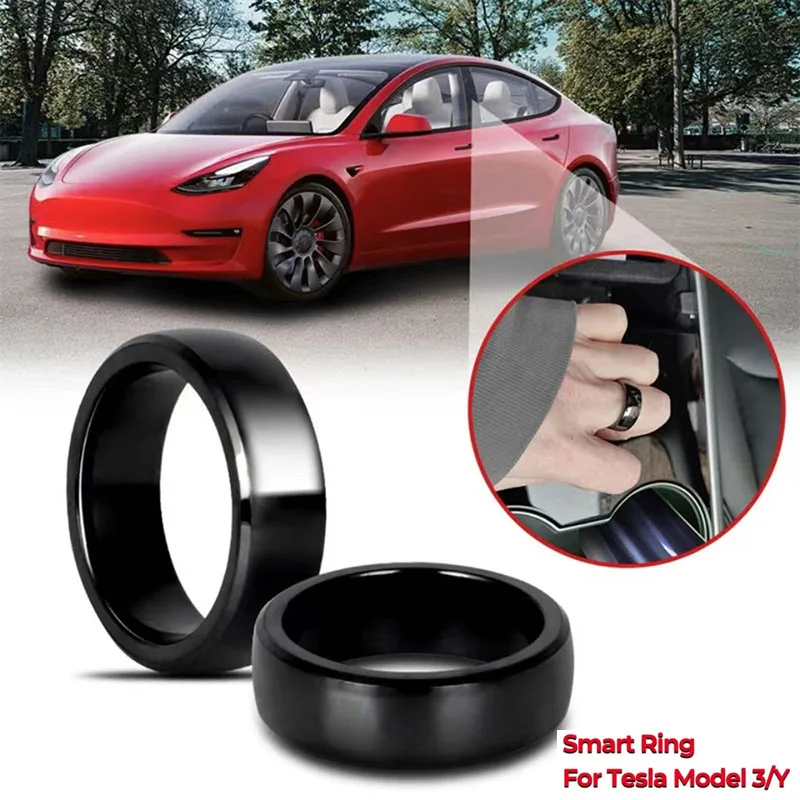
Wearable tech has expanded beyond wristbands and smartwatches into rings, keychains, and even jewelry. The 2026 trend keywords are NFC + Fashion + Multi-function. Take the Smart NFC Ceramic Key Ring — it embeds an NFC chip inside a ceramic keychain that can replace Tesla car keys, access cards, and hotel room keys. These products are lightweight, compact (Light & Small), priced at €10–30, cheap to ship, and have extremely low return rates — the perfect “Light, Small, Expensive” formula.
2️⃣ Portable Bluetooth Audio — Earbuds to Outdoor Speakers
Bluetooth audio is a mature category that never cools down, but the 2026 opportunity lies in niche scenarios. The Ortizan Bluetooth Speaker targets outdoor portability with 40W enhanced bass, perfectly hitting high-frequency use cases like camping, beach trips, and parties. Meanwhile, AI translation earbuds tap into the vertical demand for travel and language learning. Pro tip: avoid generic white-label Bluetooth earbuds (red ocean); focus on scenario-specific products like bass-heavy outdoor speakers or AI translation earbuds.
3️⃣ Smart Home & Ambient Tech
The biggest smart home trend in 2026 is “ambient tech” — products that are not just functional but visually stunning. The Star Galaxy Projector perfectly combines tech and ambiance, generating tons of organic traffic on TikTok and Instagram. Similar products include smart aroma diffusers, LED mood lights, and projection alarm clocks. These products feature strong visual appeal (perfect for short-video marketing), low manufacturing costs, and profit margins as high as 50–70%.
4️⃣ TV Boxes & Streaming Devices
The global OTT streaming market continues to grow, making TV boxes a steadily growing category. The 2026 trend demands 8K decoding + latest Android OS + ample storage. These products benefit from mature technology, supply chains concentrated in Shenzhen, €15–40 price points, and return rates below 5%. Ideal for sellers with some electronics experience looking for stable, repeatable profits.
5️⃣ Coffee Equipment — From Hand Grinders to Semi-Automatic Espresso Machines
Coffee culture is booming worldwide, making home coffee equipment a blue ocean category worth watching in 2026. From electric coffee grinders to semi-automatic espresso machines, coffee equipment features high price points (€20–200), strong user loyalty, and high social sharing appeal. Products with OLED displays, PID temperature control, and other tech-driven features are especially popular in European and American markets.
💡 Key Takeaways
Cross-border ecommerce product selection in 2026 comes down to three keywords: differentiation, scenario-focus, visual appeal. Instead of fighting price wars in red ocean markets, focus on blue ocean categories — find lightweight, high-ticket, low-return products, and win over international customers with quality content and compelling visuals. Remember: product selection isn’t about finding cheap goods — it’s about finding differentiated value.
Found this guide helpful? Share your own product selection experiences in the comments below!





