
The Benchmark That Changed How I Source Products
I once watched a seller launch two products in the same week:
- Product A: A $30 kitchen scale (650g, bulky packaging, $18 shipping)
- Product B: A $120 pocket projector (180g, smartphone‑sized, $5.50 shipping)
Six months later, Product B had outsold Product A 4:1 in revenue and 7:1 in profit. The kitchen scale had higher conversion rates (lower price = easier buy), but the pocket projector generated more total profit because the margin structure was fundamentally better.
This is the Light‑Small‑Expensive paradox: lower‑priced products often have higher conversion rates, but higher‑priced lightweight products win on total profit — and they generate fewer support tickets, fewer returns, and more positive reviews.
The Profit Per Shipment Metric That Matters
Most sellers track conversion rate and gross margin. These are the wrong metrics. The metric that matters is Profit Per Shipment (PPS) — the net profit after all costs (product + shipping + platform fees + returns reserve) for each unit shipped.
Let’s compare:
- $30 kitchen scale: $8 product + $18 shipping + $6 platform fees + $3 returns reserve = $35 total cost. Net loss: -$5 per shipment.
- $120 pocket projector: $35 product + $5.50 shipping + $18 platform fees + $2 returns reserve = $60.50 total cost. Net profit: $59.50 per shipment.
The higher‑priced product generates 12× more profit per shipment despite lower conversion rates. This is the math that separates profitable sellers from volume‑chasing ones.
Three High‑Pocket‑Value Products That Win on PPS
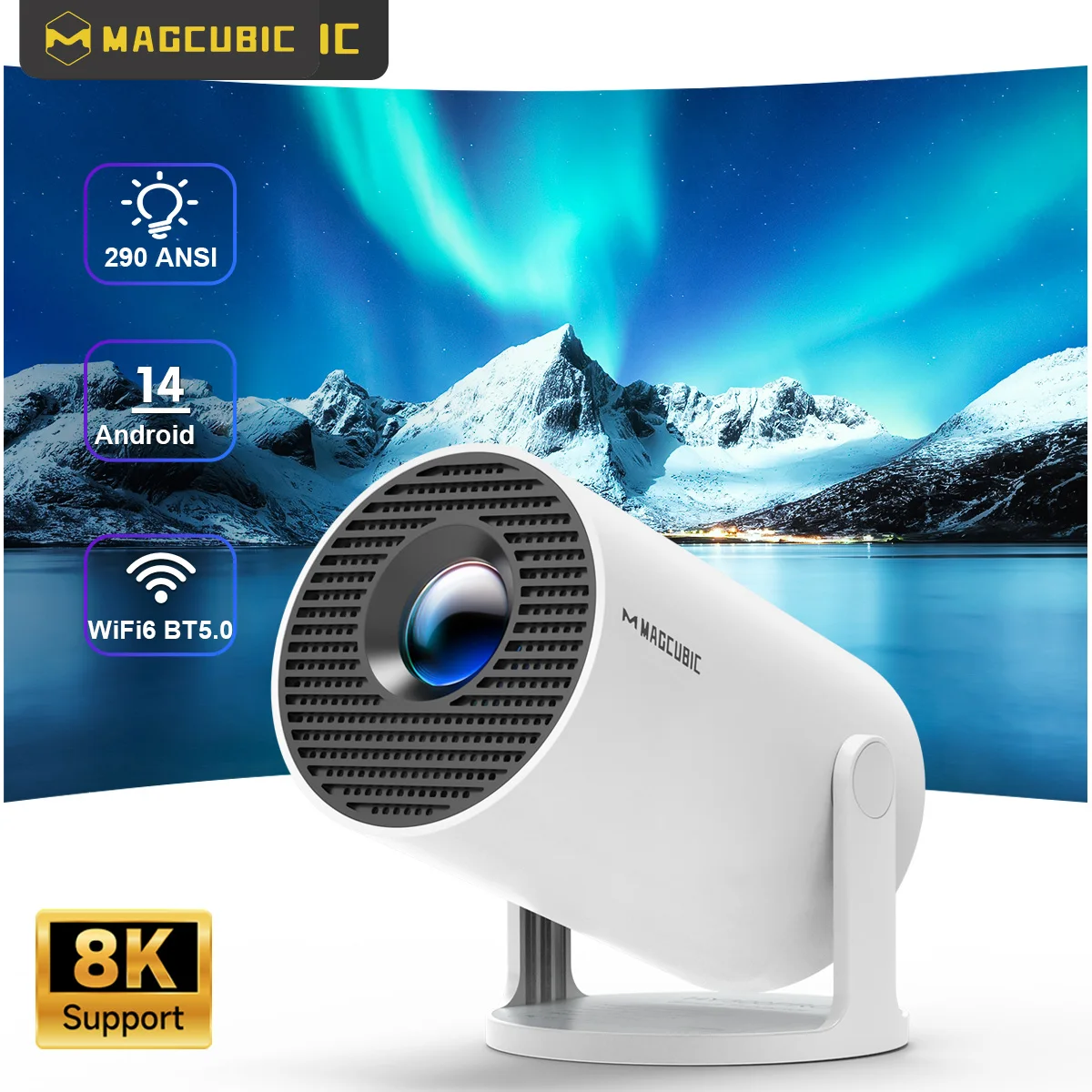
Magcubic Projector HY300 Pro 8K OFF | Android 14 Dual WiFi6
Top-rated product for cross-border ecommerce sellers
🛒 Buy Now

R36S Retro Handheld Game Console 128G OFF | Linux System 3.5
Top-rated product for cross-border ecommerce sellers
🛒 Buy NowWhy Price Alone Doesn’t Explain the Difference
The Conversion Rate Trap
New sellers see a $30 product with a 5% conversion rate and a $120 product with a 1.5% conversion rate and conclude: “The $30 product is better — it converts 3× higher.” But this ignores margin math. A 1.5% conversion rate at $120 with 50% margin produces far more profit per 1,000 visitors than a 5% conversion rate at $30 with 20% margin.
The Returns Asymmetry
Heavy kitchen appliances have return rates of 8-15% (broken, not as expected, too heavy, wrong size). Lightweight tech products (projectors, streaming sticks, earbuds) have return rates of 3-6%. The difference in returns reserve cost compounds significantly at scale.
The Review Quality Gap
Lightweight, high‑value tech products generate detailed, enthusiastic reviews with photos and videos. Heavy commodity products generate one‑line reviews (“works fine”). Better reviews → higher conversion → lower ad costs → higher profit. It’s a compounding advantage.
How to Find Your Own $120 Pocket‑Sized Winner
- Search for “pocket‑sized” or “mini” versions of popular full‑size products — mini projector, mini camera, mini speaker
- Look for products under 200g with a clear “premium” angle — ceramic, titanium, carbon fiber, smart features
- Target $40-$150 price range — below $40 the margins get thin; above $150 conversion drops significantly
- Verify the competition is selling at $40-$150 for similar specs — if competitors are at $15, your premium positioning will be hard to defend
SEO Keywords
high profit products ecommerce, pocket sized gadgets, profitable product sourcing, high ticket lightweight products, profit per shipment metric, mini projectors profit margin, cross border ecommerce strategy 2026, Amazon FBA high margin products.
The Takeaway
A $30 heavy product can lose you money. A $120 lightweight product can make you a fortune. The difference isn’t the price tag — it’s the shipping cost, return rate, and margin structure. Stop chasing low‑price volume. Start chasing high‑profit lightweight products that the shipping system is designed to reward.





