








One bad supplier just cost you $8,450 in refunds and lost advertising spend—and you didn’t even see it coming. According to a 2025 survey of 400 cross-border sellers, replacing a single unreliable supplier costs the average business between $3,200 and $14,000 in direct losses plus reputation damage.
Sourcing products for your cross-border ecommerce store isn’t about finding the cheapest factory; it’s about building a supplier network that delivers 98%+ on-time fulfillment and product margins above 35%. The importers who consistently scale past $100,000/year in revenue don’t gamble on unknown vendors—they follow a structured sourcing framework that vets suppliers before placing a single order.
Whether you’re dropshipping or importing wholesale, this guide reveals the exact steps used by top sellers to identify and lock in reliable partners who ship consistent quality, negotiate better terms, and protect your bottom line from costly supply-chain surprises.

TV98 ATV X9 Smart TV Stick Android14 Allwinner H313 OTA 8GB 128GB Support 8K 4K Media Player 4G 5G Wifi6 HDR10 Voice Remote iptv

Ai Translator Earbud Device Real Time 2-Way Translations Supporting 150+ Languages For Travelling Learning Shopping Business

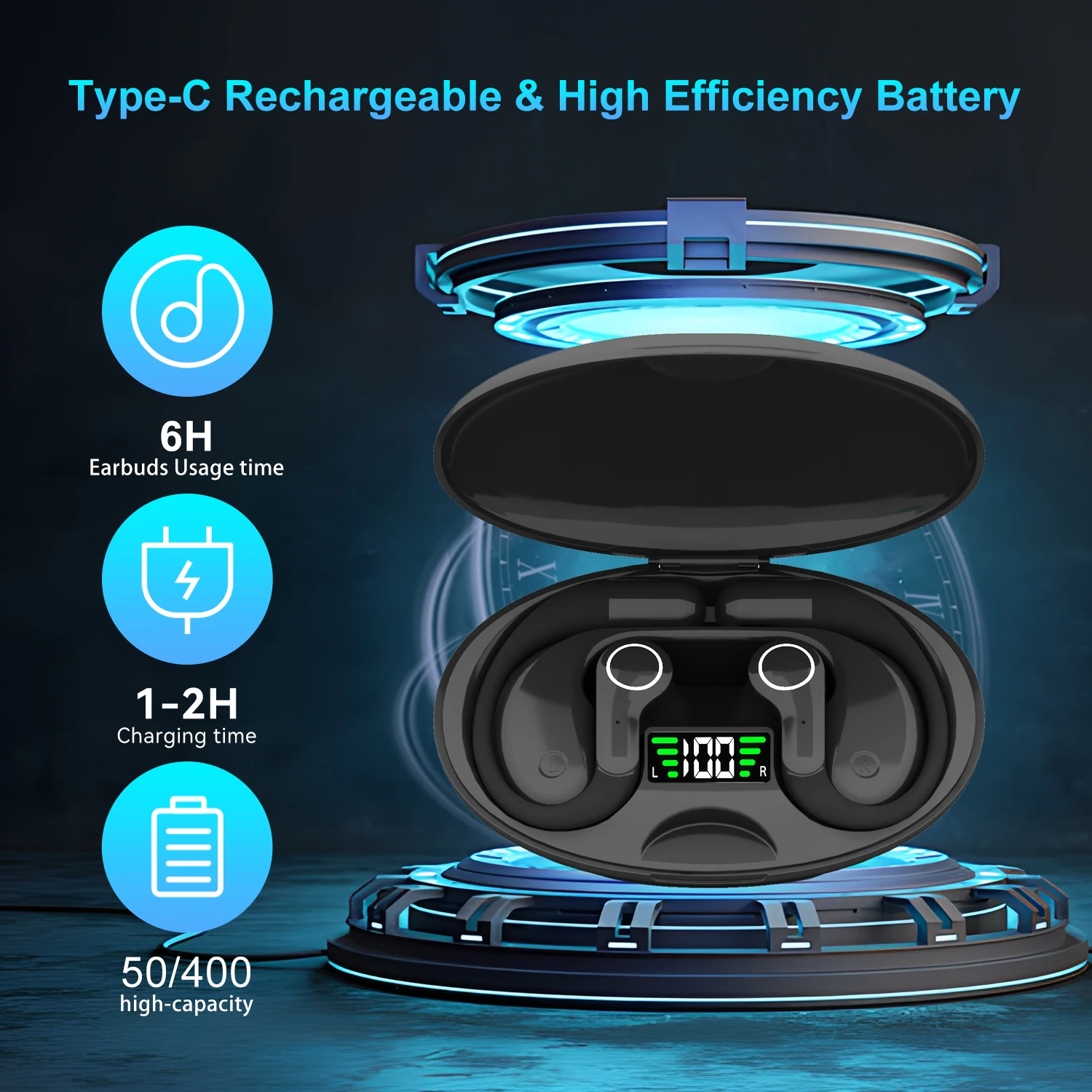
Smart AI Translation Bluetooth Earphones With LCD Display Noise Reduce New Wireless Digital Long Battery Life Display Headphone
Why Supplier Quality Determines Your Ecommerce Success Rate
The most common mistake beginners make in cross-border trade is treating all suppliers as interchangeable. They chase the lowest unit price, assume glossy product images reflect reality, and only discover the truth when customers start posting one-star reviews about delayed shipments, damaged goods, or items that simply do not match the description. By then, the damage to the store’s reputation is already done, and recovering from negative reviews on platforms like Amazon, eBay, or your own Shopify store requires weeks of damage control and often significant advertising spend just to rebuild trust.
Supplier quality encompasses far more than product accuracy. A top-tier supplier maintains consistent inventory levels so that your best-selling products never go out of stock at critical moments. They respond to inquiries within 24 hours, provide accurate tracking information, and proactively communicate about production delays or material shortages. They follow your branding and packaging requirements with precision, enabling you to build a cohesive unboxing experience that drives repeat purchases. They also respect exclusivity agreements, meaning they will not undercut your pricing by selling identical products to competitors at lower rates.
Data from successful dropshipping operations indicates that switching from an average supplier to a premium supplier typically increases per-order fulfillment costs by fifteen to twenty-five percent, but reduces return rates by forty to sixty percent and improves average customer lifetime value by thirty to fifty percent. These numbers make a compelling case for investing time in supplier evaluation rather than defaulting to the cheapest option on the first page of search results. The highest-profit ecommerce businesses understand that a slightly higher cost of goods sold is a small price to pay for reliable fulfillment and happy customers.
Building Your Supplier Discovery and Vetting Framework
Effective product sourcing begins with a structured discovery process that casts a wide net before narrowing down through rigorous evaluation. Start by identifying the specific small commodity categories you want to pursue. Are you targeting kitchen and home organization products, where margins tend to be steady but competition is fierce? Or are you looking at trending gadgets and impulse-buy items, where margins can be spectacular but product life cycles are short? Your category choice influences which sourcing platforms and supplier types are most relevant to your business model.
For most cross-border traders, Alibaba remains the most comprehensive starting point for supplier discovery, but savvy importers supplement this with targeted searches on 1688 for deeper domestic Chinese market pricing, Global Sources for higher-end manufactured goods, and industry-specific trade show websites like Canton Fair directories for verified manufacturers. When searching on these platforms, look beyond the first few sponsored results. Dig into supplier verification badges, transaction history volumes, response rates, and most importantly, the quality of their product listings. A supplier who invests in detailed, accurate product descriptions, multiple high-resolution images, and clear specification sheets is far more likely to deliver what they promise.
Once you have a shortlist of ten to fifteen potential suppliers per product, the real vetting begins. Order product samples from at least three suppliers per item. This upfront investment, typically costing fifty to two hundred dollars including international shipping, is the single best money you will spend on your business. Samples reveal material quality, packaging quality, assembly precision, and functional reliability in ways that no listing photo can capture. While evaluating samples, test the supplier’s communication responsiveness by asking detailed questions about lead times, minimum order quantities, customization options, and return policies. A supplier who responds slowly or evasively during the sample phase will only get worse when you start placing larger orders.
Negotiating International Pricing and Payment Terms That Protect Your Margins
Price negotiation in cross-border small commodity trade is an art form that balances firmness with cultural awareness. Suppliers in manufacturing hubs like Yiwu, Guangzhou, and Shenzhen expect negotiation as part of the business relationship, but they respond best to buyers who demonstrate market knowledge and long-term potential rather than aggressive haggling. Begin every negotiation by establishing that you are building a sustainable partnership rather than seeking a one-time transaction. This framing shifts the conversation from price minimization to value optimization, opening the door for better payment terms, customized packaging, and priority production scheduling.
When discussing pricing, always request a full breakdown that includes product cost, packaging, quality inspection fees, and shipping to your freight forwarder’s consolidation warehouse. Many first-time importers make the mistake of negotiating only the unit price, only to discover later that hidden handling fees, internal transfer costs, or minimum packaging upcharges erase their margin. Understanding the complete cost structure allows you to make informed decisions about where to negotiate and where to accept industry-standard rates. For small commodity items, realistic gross margins after all landed costs typically range from thirty to fifty percent at retail, with net margins of ten to twenty percent after marketing, platform fees, and overhead.
Payment terms deserve special attention in supplier negotiations. While many suppliers request thirty to fifty percent deposit with the balance before shipment for first-time buyers, you can often negotiate more favorable terms by offering to pay via methods that reduce the supplier’s transaction costs. Letter of credit arrangements, PayPal commercial payments, and escrow services like Alibaba Trade Assurance provide protection for both parties. As you build order history with a supplier, push toward net-thirty or net-sixty terms that improve your cash flow cycle. The ability to sell inventory before paying for it is one of the most powerful financial advantages in the ecommerce business model, effectively turning your supplier into a financing partner.
Quality Control and Pre-Shipment Inspection Protocols
Professional cross-border traders never skip quality inspection. The consequences of defective merchandise arriving at your customers’ doorsteps are too severe to leave to chance. Establish a quality control framework that begins with a detailed product specification sheet shared with your supplier before production starts. This document should include material specifications, dimensional tolerances, color accuracy references using Pantone codes, packaging requirements, labeling specifications, and acceptable defect rates. A thorough spec sheet prevents ambiguity and gives you clear benchmarks against which to measure production quality.
For first orders and any subsequent order exceeding one thousand units, hire a third-party inspection company like SGS, Bureau Veritas, or Intertek to conduct a pre-shipment inspection at the supplier’s facility. These inspections typically cost three hundred to eight hundred dollars per visit and include random sampling of finished goods, dimensional verification, functional testing, packaging condition checks, and loading supervision. The cost of inspection is negligible compared to the potential loss from shipping a container of defective products. Many experienced importers build inspection costs into their pricing model as a standard line item, treating it as non-negotiable as shipping insurance.
For smaller orders typical of early-stage side hustles, implement a sampling protocol where you request the supplier to send photographs or a video call walkthrough of finished goods before they pack the shipment. While not as thorough as a third-party inspection, this at least confirms that production has been completed and gives you an opportunity to spot obvious defects. Additionally, consider using freight forwarder consolidation services that offer basic quality checks at their warehouse. These checks can catch packaging damage and visible defects before goods leave the origin country, providing an affordable safety net for smaller-volume importers who cannot justify the cost of full third-party inspection.
Logistics Strategy: From Factory Floor to Customer Doorstep
The logistics chain for cross-border small commodity trade involves multiple handoffs, each of which represents a potential point of failure. Understanding these handoffs and maintaining visibility throughout the journey is essential for managing customer expectations and minimizing delivery delays. Your logistics strategy should start at the supplier’s location with clear packaging instructions. Products destined for end consumers need robust individual packaging that can survive the rigors of international transit, particularly the final mile delivery where packages receive the roughest handling.
For small commodity importers, the decision between air freight and sea freight is primarily determined by order volume, product value-to-weight ratio, and speed requirements. Air freight works well for high-value, lightweight items where customers expect seven to fourteen day delivery times, but the cost per kilogram is significantly higher. Sea freight is dramatically more economical for heavier items and larger order volumes, but adds three to six weeks to the delivery timeline. A common strategy among successful cross-border traders is to maintain a small inventory shipped via air for immediate sales while larger sea freight shipments replenish stock over subsequent weeks, creating a hybrid model that balances speed and cost efficiency.
Working with experienced freight forwarders who specialize in your product categories and target markets can dramatically simplify the logistics process. A good freight forwarder handles customs documentation, ensures proper HS code classification, consolidates shipments from multiple suppliers, and manages last-mile delivery to your fulfillment center or directly to customers. When selecting a freight forwarder, prioritize those with established relationships in both the origin and destination countries, as these connections enable smoother customs clearance and faster problem resolution when shipments inevitably encounter delays. Establish clear service level agreements with your forwarder that specify tracking update frequency, escalation procedures, and liability terms for lost or damaged goods.
Scaling Your Sourcing Operation: From Side Hustle to Full-Time Business
The transition from treating your cross-border trade business as a side hustle to running it as a full-time operation requires a fundamental shift in your sourcing approach. As order volumes increase, the informal relationships and manual processes that worked when you were placing fifty-unit test orders become bottlenecks that limit growth and introduce risk. Scaling successfully means systematizing every aspect of your sourcing operation, from supplier onboarding and order placement to quality assurance and inventory management.
The most impactful scaling strategy is supplier diversification. Relying on a single supplier for any product category creates unacceptable concentration risk, as a production delay, raw material shortage, or quality incident at that supplier can halt your entire revenue stream. Build a roster of at least three qualified suppliers per product category, with clear designation of primary, secondary, and tertiary suppliers. Maintain active relationships with all three by placing small periodic orders, even if your primary supplier handles the majority of volume. This ensures that secondary suppliers remain familiar with your requirements and can ramp up production quickly if needed.
Technology becomes your scaling multiplier. Implement an inventory management system that integrates with your ecommerce platform and provides real-time visibility into stock levels across all products and suppliers. Use tools like Zoho Inventory, TradeGecko, or Cin7 to automate reorder points, track supplier performance metrics, and generate purchase orders. As your operation grows, consider hiring a sourcing agent based in your primary sourcing country. A good agent costs between one thousand and three thousand dollars per month but pays for itself many times over through better pricing, quality control oversight, and the ability to discover new products and suppliers that you would never find through online searches alone.
The product sourcing landscape for cross-border small commodity trade continues to evolve, driven by shifting manufacturing patterns, changing trade policies, and the technological transformation of global commerce. The businesses that will thrive in this environment are those that treat sourcing as a strategic capability rather than a transactional necessity. By investing in supplier relationships, implementing rigorous quality control, optimizing logistics, and systematically scaling their operations, ecommerce entrepreneurs can build resilient, profitable businesses that weather market fluctuations and capitalize on emerging opportunities.
Success in this space does not require a massive upfront investment or a decade of import-export experience. It requires discipline, attention to detail, and the willingness to learn from every mistake. Every order you place, every supplier conversation you have, and every customer interaction provides data that can refine your sourcing approach and improve your margins. Start small, test thoroughly, document everything, and scale methodically. The global market for small commodities is vast and growing, and there has never been a better time for determined entrepreneurs to claim their share.
Frequently Asked Questions
Q: How do I find reliable suppliers for my small import business?
Start with B2B platforms like Alibaba and Global Sources. Filter suppliers by transaction history, response time, and verified badges. Always request product samples and check trade assurance options before committing to bulk orders.
Q: How many suppliers should I contact before making a decision?
Contact at least 5-10 suppliers per product category. Compare pricing, Minimum Order Quantities (MOQs), shipping terms, and quality across multiple candidates. Top importers typically narrow down to 2-3 qualified suppliers before requesting samples.
Q: How do I negotiate better pricing with suppliers?
Build relationships first before negotiating. Order consolidated shipments to increase volume, offer to pay via wire transfer instead of credit card, and establish long-term commitment. Most suppliers offer 5-15% discounts for bulk orders.
Q: Should I use a sourcing agent or source directly?
Sourcing agents add 5-15% to product costs but save time and reduce risk through factory audits, quality control, and logistics management. Direct sourcing is cheaper for experienced importers who can manage supplier relationships and verification independently.
Q: What documents do I need to source products internationally?
Essential documents include: Request for Quotation (RFQ), Proforma Invoice, Purchase Order, Non-Disclosure Agreement (NDA), and Supplier Agreement. For regulated products, you may also need certification documents like CE, FCC, or RoHS.
Related: From Random Products to Reliable Sales | How to Find Reliable Suppliers for Your Sm… | How to Start Importing from China





