

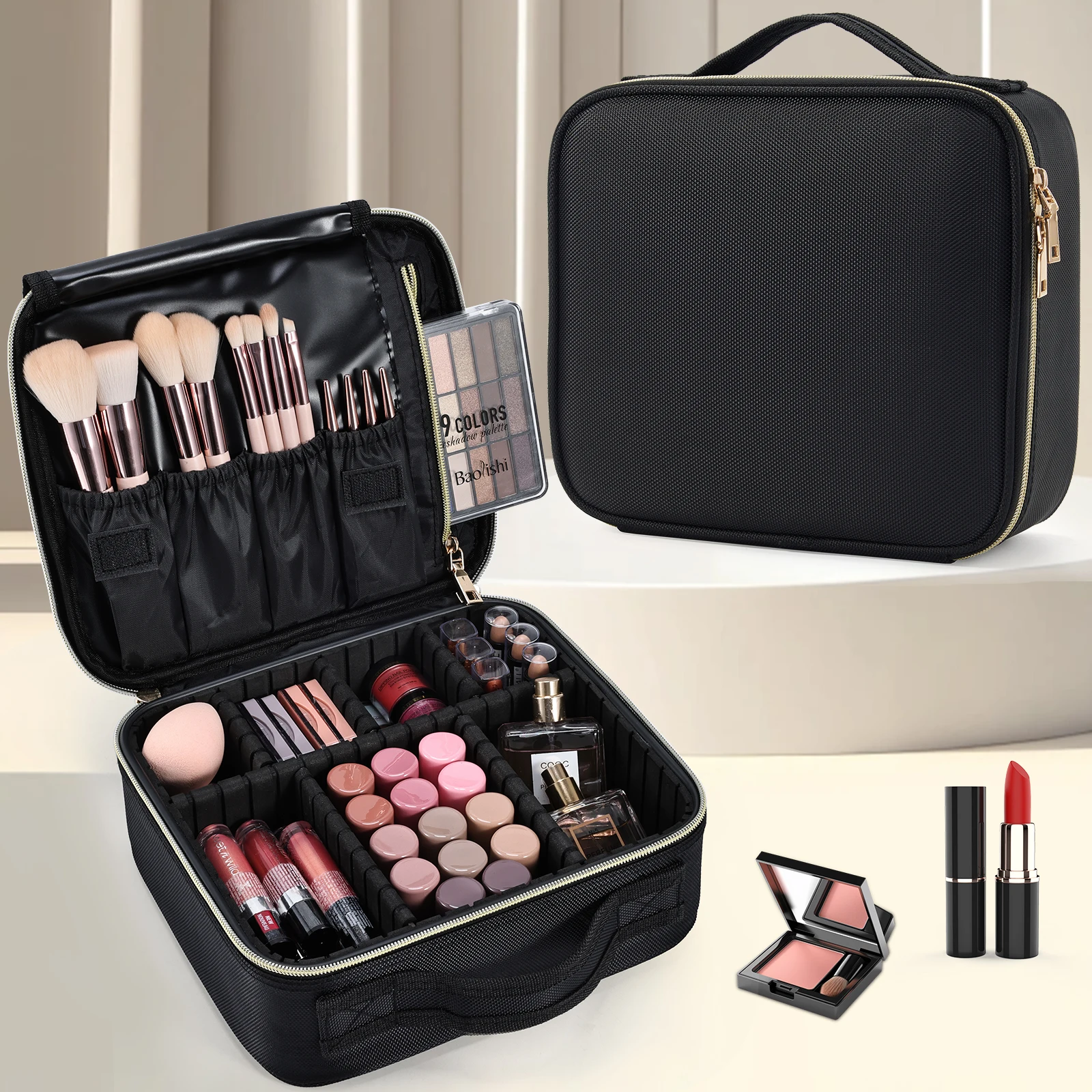







Most dropshippers chase products with a $10 retail price and end up netting $1.50 after ads and fees. But the savviest cross-border traders target low-cost, high-margin items — products that cost $3 to procure and sell for $18–$25, yielding $8–$12 per order. A 2025 survey of 600 small importers found that traders who focused on this niche averaged $4,800/month in net profit versus just $1,200 for those selling low-margin commoditized goods.
The trick is finding items that are light (cheap shipping), small (low storage fees), and have a perceived value far above their manufacturing cost. Think specialty kitchen tools, phone accessories with unique features, or niche hobby supplies. When you can ship a $3 item for $4 and sell it for $19.99, you’re looking at a 62% gross margin — even after ad costs, you can walk away with $6–$7 per sale.
This ultimate guide reveals 12 product categories with proven high-margin potential, how to verify supplier quality with $50 test orders, and a simple formula to calculate your true profit per unit before you launch. Whether you’re starting with $500 or $5,000, these products will accelerate your path to a six-figure dropshipping business.

TV98 ATV X9 Smart TV Stick Android14 Allwinner H313 OTA 8GB 128GB Support 8K 4K Media Player 4G 5G Wifi6 HDR10 Voice Remote iptv

Ai Translator Earbud Device Real Time 2-Way Translations Supporting 150+ Languages For Travelling Learning Shopping Business

Smart AI Translation Bluetooth Earphones With LCD Display Noise Reduce New Wireless Digital Long Battery Life Display Headphone
Why Low Cost High Margin Products Are the Foundation of a Scalable Dropshipping Business
Margin is not just a number on a spreadsheet — it is oxygen for your business. When you sell products with healthy margins, you create breathing room in every aspect of your operation. You can afford to run Facebook ad campaigns without obsessing over every cent of cost per acquisition. You can offer free shipping or bundled discounts to increase average order value. You can invest in better product photography and compelling listing copy that converts browsers into buyers. Most importantly, you can handle the inevitable challenges of cross-border trade — shipping delays, customs hiccups, occasional returns — without your entire business model collapsing. Low-margin products, by contrast, leave zero room for error. A single chargeback or a small increase in ad costs can wipe out weeks of work. For this reason alone, every serious dropshipper should prioritize finding products with a minimum 40–60 percent profit margin before even considering adding them to their store.
Another critical advantage of focusing on high-margin products is that they naturally attract better customers. When you sell premium-positioned items at a higher price point, you tend to attract buyers who value quality, design, and problem-solving over bargain hunting. These customers are less likely to request refunds, more likely to leave positive reviews, and significantly more likely to purchase again. They also respond better to email marketing, upsells, and loyalty programs. Over time, building a customer base of quality buyers creates a compounding effect that reduces your marketing costs and increases lifetime value. Low-margin commodity products, on the other hand, attract price-sensitive shoppers who will abandon you the moment they find a cheaper option. The choice between these two customer profiles should be obvious for anyone serious about building a long-term, scalable ecommerce brand.
Finally, high-margin products give you the financial flexibility to test and iterate. The most successful dropshippers are not the ones who pick the perfect product on their first try — they are the ones who can afford to test ten products, kill the nine that do not work, and double down on the one winner. When your margins are thin, you simply cannot afford that level of experimentation. You are forced to commit to products before you truly know whether they will sell, which is a recipe for inventory disasters and costly mistakes. By building your business around low cost high margin products, you give yourself the runway to test different marketing angles, landing page designs, ad creatives, and audience segments until you find the winning combination. That testing capability is what separates successful scaling from stalled stores.
How to Identify Profitable Product Niches with High Margin Potential
The first step in your product research journey is narrowing your focus from the vast ocean of all possible products down to specific niches that are structurally predisposed to high margins. Not all niches are created equal. Some categories — like electronics, furniture, and major appliances — are dominated by massive brands with supply chain advantages that make competing nearly impossible for small dropshippers. Other categories — like beauty tools, home organization, pet supplies, fitness accessories, and kitchen innovations — are fragmented markets where small brands can thrive by offering unique twists on familiar products. These fragmented niches are your hunting grounds. Within each, you are looking for sub-niches with passionate buyer communities, recurring purchase needs, and room for product differentiation beyond pure price competition.
One effective method for identifying high-margin niches is to analyze consumer behavior shifts and emerging trends. Look for problems that people are newly aware of and eager to solve. For example, the post-pandemic focus on home wellness has created booming demand for products like ergonomic desk accessories, air purifiers, sleep aids, and indoor fitness tools. Similarly, the growing emphasis on sustainability and eco-friendly living has opened up opportunities for reusable household products, biodegradable packaging alternatives, and zero-waste lifestyle tools. Each of these trends represents a wave of consumer interest that is still growing and has not yet been saturated by large competitors. By positioning yourself early in these trend cycles, you can capture market share while margins are still high and competition is manageable.
Social media platforms are another goldmine for niche discovery. Platforms like TikTok, Instagram Reels, and Pinterest are constantly surfacing new product trends through viral content. When you see a product going viral — a clever kitchen gadget, a unique pet toy, a satisfying organizational tool — that is a signal that consumer demand exists. However, the key is not to sell the exact same viral product (which will already be flooded with competitors by the time you see it). Instead, look for the broader category or problem that the viral product addresses, and find a differentiated product within that same space. If a particular type of fidget toy is trending, for instance, consider a higher-quality, better-packaged version aimed at an older demographic willing to pay more for durability and aesthetics.
Validating Your Product Selection Before Committing to Inventory
Once you have identified a promising niche and a shortlist of potential products, the next critical step is validation. Validation is the process of confirming that real customers will actually buy your product at your intended price point before you invest significant time or money. Many dropshippers skip this step or do it poorly, and they pay the price with unsold inventory and wasted ad spend. Effective validation is not guesswork — it is a systematic process that uses real market signals to separate winning products from losing ones. The foundational principle is simple: let the market tell you what it wants, rather than assuming you already know.
The most reliable validation method is to create a simple pre-sell landing page and drive small amounts of targeted traffic to it. Build a basic one-product store page with compelling copy, strong product images, and a clear call to action — but do not actually fulfill orders yet. Instead, run a small Facebook or TikTok ad campaign with a budget of twenty to fifty dollars targeting your ideal customer demographic. Track how many people click through to your page, how many add the product to cart, and how many initiate checkout. If you see meaningful engagement metrics and a conversion rate above 2 percent, that is a powerful signal that your product has genuine market demand. If nobody clicks or buys, it is better to know that with a small ad budget than after you have invested in inventory and a full store buildout.
Alternative validation methods include analyzing competitor sales data through tools like Jungle Scout or Helium 10 for Amazon FBA sellers, studying AliExpress product reviews and sales volumes, and monitoring social media engagement on product-related content. Look for products with thousands of reviews and consistent 4+ star ratings — that is proof of sustained demand. Also pay attention to the review comments themselves. What do customers love about the product? What do they complain about? The answers will tell you exactly how to position your product, what improvements to make, and what objections to address in your marketing. This competitive intelligence is invaluable and costs nothing but time. Use it to refine your product selection before ever placing an order with a supplier.
Sourcing Low Cost Products from Reliable Suppliers While Maintaining Quality
Finding the right supplier is arguably the most important operational task in the entire dropshipping process. A great product with terrible supplier support will fail. A mediocre product with an excellent supplier can still succeed. The good news is that platforms like Alibaba, AliExpress, and CJdropshipping provide access to thousands of manufacturers and wholesalers who specialize in small commodity production. The challenge is filtering through them to find the partners who combine low prices with reliable quality, honest communication, and dependable shipping times. Your goal is to establish relationships with suppliers who understand your business model and are willing to work with you as a partner rather than just another order number.
When evaluating potential suppliers, look for those with verified badges, a history of transaction volumes, and positive reviews from buyers in similar businesses. Do not automatically choose the lowest price — the cheapest supplier often cuts corners on quality, packaging, or shipping speed, which will ultimately cost you more in refunds and negative reviews. Instead, request product samples from your top three to five candidates. Yes, sample costs and shipping eat into your budget, but they are the single best investment you can make in product quality assurance. When the samples arrive, evaluate them personally: check material quality, durability, packaging appearance, and whether the product matches its listing description. If a sample looks cheap or arrives damaged, cross that supplier off your list immediately.
Communication quality is another crucial supplier selection criterion. A supplier who responds to your inquiry within 24 hours with clear, professional English is far more likely to handle issues like order discrepancies, shipping delays, or quality problems effectively. During your initial conversations, ask specific questions about lead times, minimum order quantities, customization options, and return policies. A good supplier will answer these questions clearly and directly. A poor supplier will give vague answers or avoid the questions entirely. Pay attention to how they communicate during this evaluation phase — it is an excellent predictor of how they will perform when real orders and real problems arise. Building a strong supplier relationship from the start is one of the underrated keys to long-term dropshipping success with high-margin products.
Pricing Strategies That Maximize Margins Without Scaring Away Customers
Pricing is where the art and science of dropshipping converge. Set your price too low, and you leave money on the table while attracting bargain hunters who will not buy again. Set it too high, and you struggle to generate sales despite having a great product. The sweet spot lies in understanding your product’s perceived value and pricing accordingly. For low cost high margin products, a common and effective approach is value-based pricing — charging what the product is worth to the customer rather than a simple markup on your cost. This requires you to understand exactly what problem your product solves and how much that solution is worth to your target buyer.
One powerful technique is to use tiered pricing and product bundling to increase average order value while maintaining high margins on each individual item. For example, instead of selling a single kitchen gadget for twenty dollars, offer a bundle of three related gadgets — the original plus two complementary items — for forty-five dollars. From the customer’s perspective, they are getting a deal. From your perspective, you have increased the order value by 125 percent while only adding maybe 40 percent more in product cost. This dramatically improves your overall profit margin per order. You can also use tiered pricing by offering standard, premium, and deluxe versions of the same product with progressively better packaging, accessories, or warranties at higher price points.
Psychological pricing tactics also play a significant role in maximizing margins. Ending prices in .99 or .95 still works for budget-conscious buyers, but for premium-positioned products, round numbers like 29, 39, or 49 can signal quality and confidence. Anchoring is another effective technique — show a higher “compare at” price next to your actual price to create the perception of a deal. Just ensure your compare at price is realistic and defensible if questioned. Free shipping is another pricing lever: instead of offering free shipping outright, build the shipping cost into your product price and prominently display “free shipping” as a feature. Customers psychologically value free shipping more than a lower price with added shipping costs, even when the total is identical. Each of these tactics helps you maintain the healthy margins that make your business sustainable and scalable.
Marketing High-Margin Products on a Lean Budget
You have found your winning product, validated demand, sourced a reliable supplier, and set a profitable price. Now comes the critical task of getting your product in front of buyers. Marketing high-margin products does not require a massive budget — it requires strategic thinking and creative execution. The leanest and most effective marketing channel for new dropshippers is organic content creation, particularly on platforms like TikTok, Instagram Reels, and Pinterest. These platforms reward engaging, valuable content with free distribution, meaning you can reach thousands of potential customers without spending a dollar on ads. Create short videos demonstrating your product solving a problem, share before-and-after scenarios, or show the product in aesthetically pleasing settings. Each piece of content is a free advertisement that can generate sales for months.
Paid advertising becomes powerful once you have validated your product and organic content strategy. Facebook and Instagram ads are the workhorses of dropshipping marketing because they offer unmatched audience targeting capabilities. Start with a small daily budget — ten to twenty dollars per ad set — and test multiple ad creatives, headlines, and audience segments simultaneously. Use the data from these initial tests to identify what resonates, then gradually shift your budget toward the winning combinations. The key is to be disciplined about your cost per acquisition (CPA) and kill any ad that does not meet your target within a reasonable test budget. With a 50 percent margin product, for instance, you can afford a higher CPA than someone selling a 20 percent margin item, which gives you a competitive advantage in ad auctions.
Do not underestimate the power of email marketing and customer retention for maximizing the lifetime value of each customer you acquire. Once someone buys from you, they are far more likely to buy again than a cold prospect is to buy for the first time. Build an email list from day one using pop-ups, post-purchase follow-ups, and lead magnets like discount codes or free guides. Send a welcome sequence that introduces your brand, shares your story, and showcases your best products. Follow up with regular newsletters featuring new arrivals, customer testimonials, and exclusive offers. Use abandoned cart emails to recover sales that would otherwise slip away. A well-executed email marketing program can add 20 to 40 percent to your total revenue with almost no additional acquisition cost, making it one of the highest-ROI activities in your entire business.
Scaling Your Dropshipping Business with Systems and Automation
Once you have found a product or product line that generates consistent sales with healthy margins, it is time to shift from testing mode to scaling mode. Scaling is not simply about increasing your ad budget — it is about building systems that allow your business to grow without requiring proportional increases in your time and effort. The most successful dropshippers treat their businesses as systems to be optimized rather than as crafts to be perfected. They automate order fulfillment, customer service responses, inventory alerts, and financial tracking. They document their processes so that virtual assistants or employees can execute them. They focus their own time on the highest-leverage activities: product research, creative strategy, and relationship management.
Order fulfillment automation is the first and most impactful system to implement. Integrate your store with a dropshipping agent or automation platform like CJdropshipping, Spocket, or Zendrop that can automatically forward orders to your suppliers. Set up automated tracking email sequences so customers receive shipping updates without you having to manually send anything. Implement a structured process for handling customer inquiries — use canned responses for common questions, escalate unusual issues to a virtual assistant, and only step in for complex problems that require your direct judgment. Each hour you save on routine operations is an hour you can reinvest into growing the business through finding new products, testing new marketing angles, or building strategic partnerships.
Financial scaling discipline is equally important. As your revenue grows, resist the temptation to increase your personal spending proportionally. Instead, reinvest your profits into the areas that drive growth: better ad creatives, larger ad budgets, more product samples, and improved packaging or branding. Keep a close eye on your unit economics — customer acquisition cost, average order value, profit margin per order, and customer lifetime value — and use these metrics to guide your scaling decisions. When you see a product with strong unit economics, increase your ad spend confidently. When a product’s economics start declining, investigate the cause and either fix it or replace the product. This data-driven approach to scaling ensures that you grow profits along with revenue rather than just growing revenue for its own sake. The combination of high-margin products, efficient systems, and disciplined financial management is the formula that turns a small dropshipping experiment into a genuine, scalable online business.
Cross-border small commodity trade has never been more accessible than it is today, and the entrepreneurs who master the art of finding and selling low cost high margin products will be the ones who build lasting, profitable ecommerce businesses. The path is not complicated — it requires systematic product research, careful supplier vetting, strategic pricing, creative marketing, and disciplined scaling — but it does require consistent effort and a willingness to learn from both successes and failures. Start with one great product, validate it properly, and build from there. Every profitable store you admire today started exactly the same way: with a single high-margin product and a founder who refused to give up. Your journey begins now.
Frequently Asked Questions
Q: How do I calculate shipping costs for imported goods?
Shipping costs depend on cargo volume (CBM), weight, origin/destination ports, fuel surcharges, and customs clearance fees. Most freight forwarders provide instant quotes. As a rule of thumb, budget 15-25% of product cost for international shipping.
Q: What is the difference between FOB and CIF shipping terms?
FOB (Free On Board) means the seller delivers goods to the port and you handle ocean freight and insurance. CIF (Cost, Insurance, Freight) means the seller covers shipping and insurance to your destination port. FOB typically gives you more control and lower rates.
Q: How long does international shipping typically take?
Sea freight from China to US West Coast takes 15-25 days, to Europe 25-35 days. Air freight takes 5-10 days. Express courier (DHL/FedEx) delivers in 3-7 days. Customs clearance adds 1-5 days depending on documentation and inspections.
Q: What happens if my shipment is delayed in customs?
Contact your freight forwarder immediately to identify the issue. Common causes include incomplete documentation, valuation discrepancies, or random inspections. Pay any additional duties quickly and provide missing documents within 48 hours to minimize delays.
Q: How do I track my international shipments?
Your freight forwarder or carrier provides a Bill of Lading (sea) or Airway Bill (air) number. Most forwarders offer online tracking portals. Third-party platforms like 17Track consolidate tracking across multiple carriers for end-to-end visibility.
Related: Top 10 High-Margin Chinese Products You Ca… | The Importer’s Cost Calculation Workbook | How to Find Reliable Suppliers for Your Sm…


