








The dream of making money online has never felt more accessible, yet countless aspiring entrepreneurs remain paralyzed by a single question — how can you possibly succeed when you have zero experience, no technical skills, and a limited budget? The truth is that the ecommerce landscape has undergone a radical transformation over the past few years, and the barriers that once kept beginners out have crumbled. Today, a complete newcomer armed with nothing more than determination and a smartphone can build a profitable online business faster than an expert could ten years ago. This shift is not about luck or getting rich quick — it is about leveraging the incredible array of modern tools, platforms, and business models that were specifically designed to eliminate the learning curve. Whether you are looking to replace your full-time income or simply build a reliable side hustle, the path forward has never been clearer or more forgiving for those willing to take the first step.
The most common mistake beginners make is believing they need to master everything before starting — learning coding, understanding complex supply chains, mastering advertising platforms, and building a brand from scratch. This mindset keeps people stuck in research mode for months, even years, while others who simply start outperform them with far less knowledge. The secret that successful beginner entrepreneurs understand is that ecommerce today is modular. You do not need to build everything yourself. Platforms like Shopify, WooCommerce, and Spocket, combined with AI-powered tools for everything from product research to customer service, mean that you can start with a minimal viable setup and learn as you grow. The modern ecommerce ecosystem is designed to be plug-and-play, and the sooner you embrace this reality, the sooner you will start seeing results.
The fundamental premise of this guide is simple: making money with no experience is not about knowing more than the competition — it is about taking consistent action while using the right tools. The people who succeed are not necessarily the smartest or the most experienced. They are the ones who start, iterate, and refuse to quit when the first few attempts do not work out perfectly. If you are ready to stop reading and start earning, the following blueprint will show you exactly how to build an ecommerce business from absolute zero, using strategies that work in the current market landscape. Every section is built around actionable steps that a complete beginner can execute within a single weekend.

Ai Translator Earbud Device Real Time 2-Way Translations Supporting 150+ Languages For Travelling Learning Shopping Business

Smart AI Translation Bluetooth Earphones With LCD Display Noise Reduce New Wireless Digital Long Battery Life Display Headphone

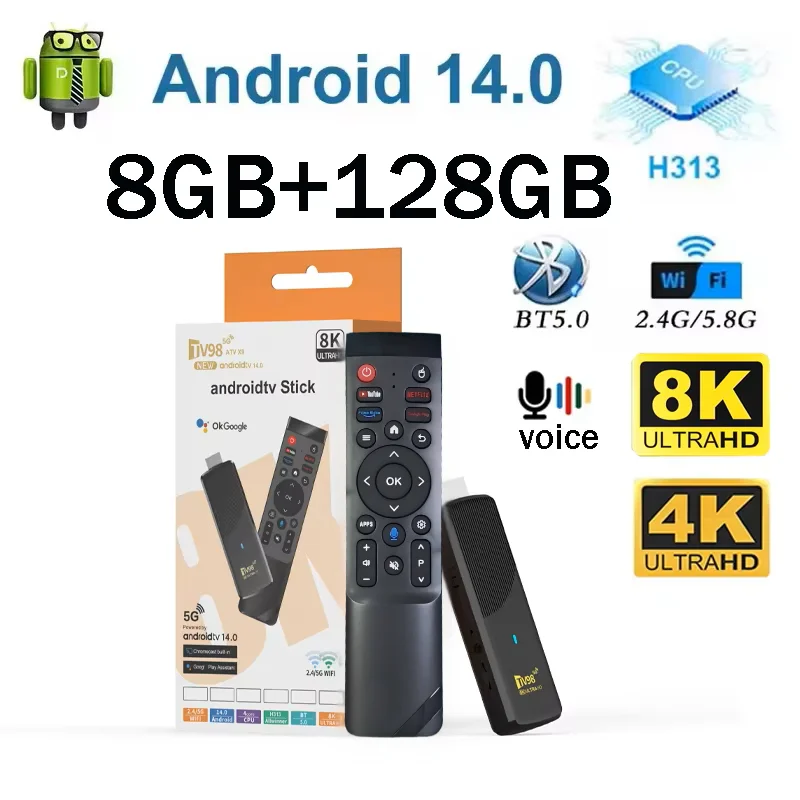
TV98 ATV X9 Smart TV Stick Android14 Allwinner H313 OTA 8GB 128GB Support 8K 4K Media Player 4G 5G Wifi6 HDR10 Voice Remote iptv
Why Modern Ecommerce Platforms Level the Playing Field for Complete Beginners
Ten years ago, starting an online store required significant technical knowledge. You needed to understand HTML and CSS, set up hosting, configure payment gateways, manage SSL certificates, and deal with a dozen other technical hurdles that could take weeks to figure out. Today, platforms like Shopify have reduced the entire process to a few clicks. You can have a fully functional online store up and running within an afternoon, even if you have never built a website before. The beauty of these modern platforms is that they handle the heavy lifting behind the scenes — security, payment processing, mobile optimization, and performance are all taken care of automatically. This means your energy can go entirely toward what actually matters: finding products that people want to buy and getting them in front of the right audience.
Beyond the basic store setup, modern ecommerce platforms come with integrated tools that used to require multiple separate subscriptions. Inventory management, order tracking, abandoned cart recovery, discount code generation, and even basic email marketing are built right into most platforms. For a beginner, this is transformative because it removes the complexity of integrating multiple systems that may not work well together. You can start with a single platform and add more sophisticated tools only when your revenue justifies the investment. This modular approach to building a business means that your upfront costs can be as low as twenty to thirty dollars per month for the platform subscription, plus whatever you spend on initial marketing. There is no need to invest thousands of dollars before making your first sale.
The most significant advantage of modern platforms, however, is the ecosystem of apps and integrations that they support. If you need to automate order fulfillment, there is an app for that. If you want to run targeted ads on social media, the platform connects directly. If you need AI-generated product descriptions or customer service chatbots, they are available with a single click. For a beginner, this ecosystem acts as a virtual team of experts that you can deploy without hiring anyone. The same technology that powers million-dollar enterprises is available to you for a fraction of the cost, and the only thing standing between you and a profitable store is your willingness to take action. The playing field has never been more level, and the opportunity has never been more accessible for those ready to seize it.
How AI Tools Eliminate the Learning Curve for New Sellers
Artificial intelligence has been the single most disruptive force in making ecommerce accessible to beginners. Tasks that once required years of experience — writing persuasive product descriptions, analyzing market trends, generating professional product images, and even creating marketing campaigns — can now be accomplished with AI tools that require nothing more than clear instructions. A beginner today can produce content that rivals professional copywriters, design graphics that look like they came from a creative agency, and analyze data patterns that would have taken a human analyst days to uncover. This democratisation of expertise is the hidden engine behind the current wave of successful beginner entrepreneurs who are building profitable businesses without any prior background in marketing or design.
Product research, which used to be the most intimidating part of starting an ecommerce business, has been revolutionized by AI-powered analysis tools. Instead of guessing which products might sell well, beginners can now use platforms that analyze millions of data points across multiple marketplaces to identify trending products, estimate demand, calculate potential profit margins, and even predict seasonal fluctuations. Tools like Jungle Scout, SellTheTrend, and even ChatGPT when used strategically can provide insights that used to require months of market research. The key for beginners is not to get overwhelmed by the data but to use these tools to validate their instincts and make informed decisions quickly. The goal is not perfect analysis — it is good enough analysis that lets you start testing products in the market without analysis paralysis.
Customer communication, another area that typically requires experience and finesse, has been transformed by AI chatbots and automated response systems. Beginners can now provide twenty-four-seven customer support without hiring a single person. AI chatbots can handle common questions about shipping times, return policies, product specifications, and order status with an efficiency that often exceeds human customer service representatives. More importantly, these tools learn and improve over time, becoming more accurate and helpful with each interaction. For a solo entrepreneur working from home, this kind of automated support infrastructure means you can compete with much larger businesses on service quality from day one. The AI tools available today do not just make things easier — they actively close the gap between beginners and established players in ways that were unimaginable just a few years ago.
The Dropshipping Model: Starting Without Inventory or Upfront Capital
Dropshipping remains the most accessible entry point for beginners who want to make money with no experience and minimal financial risk. The model is deceptively simple: you list products on your online store, and when a customer makes a purchase, the order is automatically forwarded to a supplier who ships the product directly to your customer. You never handle inventory, never pack boxes, and never worry about warehouse space. This eliminates the two biggest barriers that traditionally stopped beginners from starting an ecommerce business — the need for significant upfront capital to purchase inventory and the risk of being stuck with products that do not sell. With dropshipping, you only purchase a product after you have already been paid for it, which means your cash flow stays positive from the very first sale.
The key to succeeding with dropshipping as a beginner lies in choosing the right products and suppliers rather than trying to compete on price. The market is saturated with generic products that hundreds of other sellers are pushing, and competing on price alone is a losing strategy for beginners who cannot match the economies of scale that established players enjoy. Instead, successful beginner dropshippers focus on finding unique or niche products that solve specific problems, products that have emotional appeal, or products that are visually compelling enough to sell themselves through social media. The goal is not to be the cheapest option — it is to be the most compelling option for a specific group of customers who are actively looking for what you are offering.
Modern dropshipping platforms have made supplier integration almost effortless. Apps like Oberlo (now part of Shopify), Spocket, and CJdropshipping connect directly to your store and automate the entire fulfillment process. When an order comes in, the app automatically sends the details to your supplier, tracks the shipment, and updates your customer with tracking information — all without you lifting a finger. This automation is crucial for beginners because it frees up mental energy to focus on the parts of the business that actually drive growth: marketing, customer engagement, and product selection. The technical complexity of order fulfillment has been abstracted away entirely, leaving beginners with a clean, manageable workflow that can scale from one order per day to hundreds without fundamentally changing how the business operates.
Finding Profitable Products as a Total Beginner
Product selection is widely regarded as the single most important decision a beginner ecommerce entrepreneur will make, and it is also the area where most newcomers make their biggest mistakes. The natural instinct is to pick products that you personally like or that you think are cool, but personal preference is a notoriously unreliable guide to market demand. A far more effective approach for beginners is to use data-driven methods that reveal what people are actually searching for, buying, and sharing. The good news is that accessing this data no longer requires expensive market research firms or years of industry experience. Free and low-cost tools now exist that can show you exactly what is trending on Amazon, eBay, AliExpress, and social media platforms in real time.
One of the most powerful and underutilized strategies for product research is simple observation of social media trends. Platforms like TikTok, Instagram, and Pinterest are goldmines of consumer behavior data because they show what products people are actively engaging with, sharing, and asking about. A product that generates thousands of comments, saves, and shares on social media is almost certainly worth testing in your store. Beginners should spend time each day browsing these platforms with a business mindset, looking for products that appear repeatedly across different accounts and content styles. When you see the same type of product being featured by multiple creators with strong engagement, you have found a signal worth pursuing. This kind of organic trend spotting requires no tools, no subscriptions, and no experience — just curiosity and attention.
Another beginner-friendly approach is to look for products with proven demand but weak competition. The easiest way to identify this is by searching for products on Amazon or AliExpress and looking for items that have good reviews and consistent sales but are being sold by relatively unknown brands or stores. If a product is selling well but the sellers have basic store designs, minimal branding, and generic product listings, that is a clear opportunity for a beginner to enter the market with a more polished presentation and better marketing. You are not competing with Amazon’s private label brands or established industry giants — you are competing with other small sellers who may not be maximizing their potential. A little effort goes a long way when your competition is not doing the basics well, and as a beginner, your freshness and willingness to try new approaches can actually be your biggest advantage.
Building Your First Store Without Technical Skills
The fear of technical complexity stops more beginners from starting than any other factor. The belief that you need to be a web designer, a programmer, or a digital marketer to succeed in ecommerce is deeply ingrained and completely outdated. Modern website builders have evolved to the point where building a professional-looking store is essentially a drag-and-drop exercise. Template marketplaces offer thousands of professionally designed themes that can be installed with a single click and customized to match your brand with no coding required. Colors, fonts, layouts, and images can all be adjusted through visual interfaces that show you exactly what your store will look like as you make changes. The process is closer to arranging furniture in a room than to traditional web development.
The most critical elements of a successful beginner store are surprisingly simple and have nothing to do with technical sophistication. A clean, uncluttered design that is easy to navigate. High-quality product images that show items from multiple angles and in use. Clear, benefit-focused product descriptions that explain why someone should buy. Transparent pricing with no hidden fees or surprises. A straightforward checkout process that does not require creating an account. And most importantly, fast loading times and mobile responsiveness. Modern ecommerce platforms handle mobile optimization automatically, but beginners should still test their stores on actual phones and tablets to make sure the experience is smooth. These fundamentals matter far more than fancy animations, complex navigation menus, or custom features that most customers will never use.
Beginners should also take full advantage of the pre-built sales features that come with modern ecommerce platforms. Countdown timers, limited stock notifications, customer review sections, and social proof notifications are all available as simple app installations or built-in features. These elements work because they trigger psychological responses that are hardwired into consumer behavior — urgency, scarcity, social validation, and fear of missing out. You do not need to understand the psychology behind them to benefit from them. Simply installing and activating these features on your store will increase conversion rates compared to a bare-bones setup. The platforms have been designed by experts who understand consumer behavior, and as a beginner, your job is not to reinvent the wheel — it is to use the wheels that are already there and focus your energy on bringing customers to your store.
Your First 90-Day Action Plan for Making Money Online
The most important shift a beginner can make is moving from passive learning to active execution. Reading guides, watching tutorials, and researching strategies are all valuable activities, but they become counterproductive when they replace actual action. The first ninety days of your ecommerce journey should follow a clear, structured plan that prioritizes momentum over perfection. In week one, choose your platform and set up your store with a basic theme and a placeholder logo. In week two, select ten to fifteen products to test, using the research methods described earlier. In week three, write your product descriptions using AI tools, take or source high-quality images, and set up your pricing structure with healthy margins. By the end of the first month, you should have a live store with products ready to sell, even if it feels far from perfect.
Months two and three are about testing and iteration. Run small advertising campaigns on Facebook and TikTok with budgets of five to ten dollars per day to test which products generate interest. Monitor your analytics closely and kill products that do not get clicks or add-to-carts within the first week. Double down on products that show promise by creating more content around them, testing different ad angles, and refining your product pages. This testing phase is where beginners gain the experience that cannot be taught in any guide — the feel for what resonates with customers, what price points work, and what marketing messages convert. The goal of this period is not to become profitable immediately but to gather enough data to make informed decisions about where to invest more time and money.
After ninety days, you will have something far more valuable than theoretical knowledge — you will have real market data, actual sales experience, and a clear picture of whether your chosen niche has long-term potential. At this point, you can make strategic decisions about scaling up your advertising budget, expanding your product line, exploring additional sales channels like Amazon or Etsy, or even transitioning from dropshipping to holding your own inventory for faster shipping and better margins. The beginners who succeed are not the ones who had the best strategy on day one — they are the ones who showed up consistently, made mistakes quickly, learned from them, and kept moving forward. Ecommerce success is not about avoiding failure but about failing fast enough that you can find what works before your motivation runs out. The tools, platforms, and knowledge are all available. The only missing piece is your decision to start today.
Frequently Asked Questions
Q: What products are best for cross-border e-commerce?
Focus on products under 500g that are compact, durable, and under $50 retail. Popular niches include phone accessories, fitness gear, pet supplies, home organization, and kitchen gadgets. Avoid fragile, regulated, or seasonal products.
Q: How do I choose between Alibaba and AliExpress for sourcing?
Use Alibaba for bulk orders (100+ units) at factory prices. Use AliExpress for sample orders or when testing new products with small quantities. AliExpress prices are 30-50% higher but include shipping and offer easier payment protection.
Q: How long does it take to start making money from import business?
Most importers see first profits within 3-6 months. The first 2 months involve product research, supplier vetting, and sample ordering. Months 3-4 cover manufacturing and shipping. The final 2 months are for listing, marketing, and generating first sales.
Q: What is dropshipping and how is it different from importing?
Dropshipping means the supplier ships directly to customers with no inventory on your end. Importing involves buying in bulk, storing inventory, and shipping yourself. Dropshipping has lower risk but lower margins. Importing offers higher margins with more control.
Q: What are common mistakes new importers make?
Top mistakes: ordering too much inventory without demand validation, choosing the cheapest supplier without verification, underestimating shipping costs, ignoring customs duties, pricing products too low, and neglecting trademark protection.
Related: The Beginner’s Guide to Making Money Onlin… | How Much Money Do You Need to Start a Cros… | How to Find Reliable Suppliers for Your Sm…





