








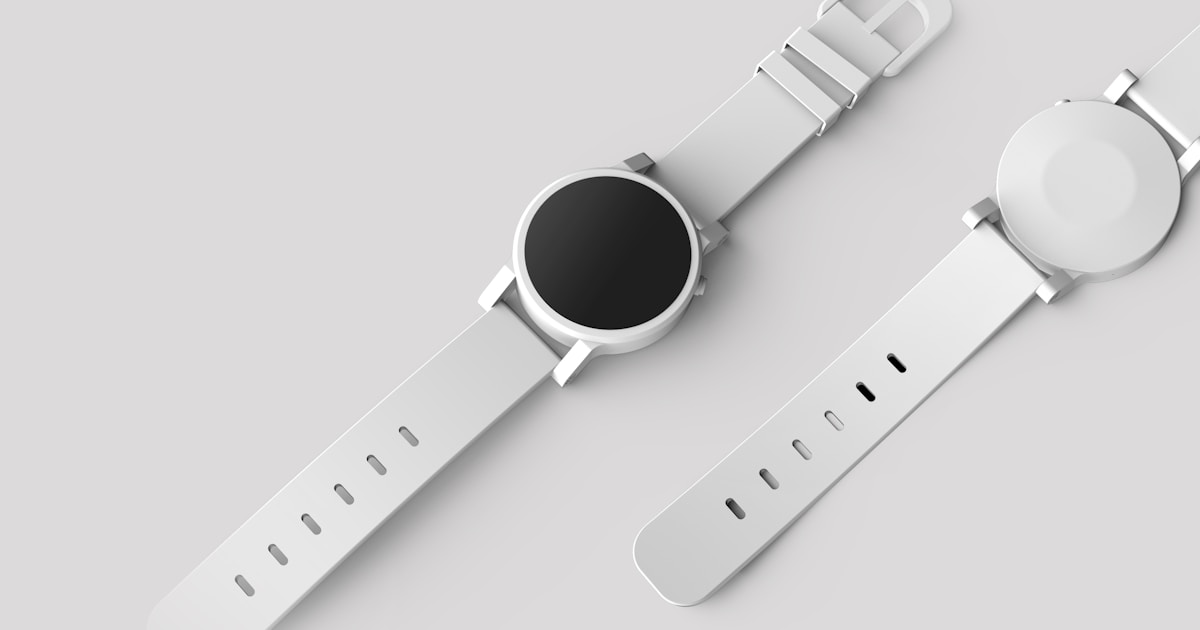
Consumer electronics remain the largest and most dynamic import category for small importers. In 2026, the category is being reshaped by three powerful forces: the USB-C standardization mandate, the rise of AI-integrated consumer devices, and the continued growth of the smart home ecosystem. Small importers who understand these trends can identify profitable sub-niches before they become saturated.
The global consumer electronics market is projected to reach $1.2 trillion in 2026, with import-friendly accessory and peripheral categories accounting for approximately $280 billion. This guide breaks down the key trends and actionable product opportunities within specific electronics sub-categories.

TV98 ATV X9 Smart TV Stick Android14 Allwinner H313 OTA 8GB 128GB Support 8K 4K Media Player 4G 5G Wifi6 HDR10 Voice Remote iptv

Ai Translator Earbud Device Real Time 2-Way Translations Supporting 150+ Languages For Travelling Learning Shopping Business

Smart AI Translation Bluetooth Earphones With LCD Display Noise Reduce New Wireless Digital Long Battery Life Display Headphone
Trend 1: USB-C Universal Standard
The European Union’s mandate for USB-C as a standard charging port (effective December 2024) has triggered a massive accessory replacement cycle. Apple’s iPhone 15 and 16 series use USB-C, and almost all Android devices already do. This creates demand for: USB-C hubs and adapters, USB-C to HDMI/USB-A/microSD adapters (retail: $12-30, cost: $3-7), GaN chargers with USB-C PD (retail: $25-50, cost: $5-12), and USB-C cables with data transfer capability (retail: $8-20, cost: $1-3).
The total addressable market for USB-C accessories is estimated at $45 billion through 2028, with annual growth of 18 percent. Early movers who establish listings with strong reviews will benefit from the multi-year replacement cycle.
Trend 2: AI-Integrated Consumer Devices
AI is no longer limited to smartphones and laptops — it is being integrated into everyday consumer electronics. Products gaining traction include: AI-powered translation earbuds (retail: $60-150, cost: $15-35), smart photo organizers with AI face recognition (retail: $80-200, cost: $20-50, emerging niche), AI-enhanced dashcams that detect accidents and alert emergency contacts (retail: $50-120, cost: $12-28), and smart mirrors with AI skin analysis and workout tracking (retail: $50-150, cost: $15-35, monthly Amazon searches: 200,000+).
Trend 3: Smart Home Expansion
The smart home market grew 22 percent in 2025 and is on track for similar growth in 2026. Sub-categories with high import potential: smart sensors (motion, door/window, temperature — retail: $12-30, cost: $2-6), smart plugs with energy monitoring (retail: $15-35, cost: $3-7, monthly searches: 380,000+), smart LED bulbs with scene automation (retail: $10-25, cost: $2-5), and smart garage door openers with phone control (retail: $30-70, cost: $8-18).
The key consideration for smart home products is platform compatibility. Products that work with both Alexa and Google Home have 2.5x the addressable market of single-platform products.
Trend 4: Audio Accessories Evolution
The audio accessory market is shifting from wired to wireless, from mono to spatial audio, and from generic to personalized. Trending products: wireless earbuds with active noise cancellation (retail: $30-80, cost: $8-20, high competition but massive volume), portable Bluetooth speakers with 360-degree sound (retail: $25-60, cost: $6-15), desktop speaker bars with RGB lighting for gaming setups (retail: $20-50, cost: $5-12), and bone-conduction headphones for sports (retail: $30-70, cost: $8-18, growing 45 percent annually).
Sourcing Strategy for Electronics Accessories
Electronics accessories require more diligence than non-electronic products. Key verification steps: FCC testing (US) and CE testing (EU) are mandatory — budget $500-2,000 per product for compliance testing, request battery certification documents (UN 38.3, IEC 62133) for any product containing lithium batteries, verify compatibility claims with current devices (test with iPhone 16, Samsung Galaxy S25, and Pixel 10), and check Amazon’s restricted products policy — some electronic categories require pre-approval.
Frequently Asked Questions
Q: What is the most profitable electronics niche in 2026?
GaN chargers and USB-C hubs offer the best combination of margins (40-60%) and growing demand. The universal charging standard transition creates a 3-5 year window of opportunity.
Q: How do I protect against electronics returns?
Test every unit before shipping, provide clear compatibility information in the listing, include a user manual with troubleshooting tips, and budget for 5-8 percent return rate (higher than non-electronics at 2-4 percent).
Q: What certifications are most commonly required?
FCC Part 15 (US), CE marking (EU), RoHS (environmental compliance), and UL or ETL certification for power-related products. Budget $1,000-3,000 per product for initial certification costs.
Q: Can I compete with established electronics brands?
Yes, by focusing on: niche accessories (not commodity items), better packaging (premium unboxing experience), bundling (charger + cable + case), and competitive pricing (15-25 percent below major brands).





