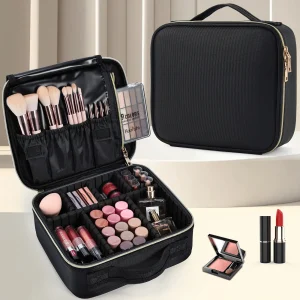


The subscription box business model has transformed ecommerce over the past decade, evolving from a niche curiosity into a mainstream retail powerhouse. For small commodity importers, subscription boxes represent one of the most compelling opportunities available today. Unlike traditional one-off sales, subscription models generate predictable recurring revenue, deepen customer relationships, and create natural upsell and cross-sell pathways. What makes this model particularly attractive for those engaged in international trade is the ability to source low-cost, lightweight, high-perceived-value products from overseas suppliers and package them into curated experiences that customers eagerly pay for month after month. Whether you are importing beauty accessories, kitchen gadgets, wellness products, or hobby supplies, the subscription box model can dramatically increase your average customer lifetime value while smoothing out the revenue peaks and valleys that plague most direct-to-consumer businesses. This comprehensive supply chain playbook will walk you through every stage of building a subscription box business powered by small commodity imports, from initial product selection and supplier negotiations through packaging optimization, fulfillment logistics, and long-term scaling strategies.
The global subscription ecommerce market has grown to over twenty billion dollars in annual revenue, with categories ranging from meal kits and beauty boxes to pet supplies and niche hobby collections. For small commodity importers, this represents a massive addressable market that is still far from saturated. The key insight that successful subscription box founders have discovered is that customers are not simply buying products; they are buying anticipation, discovery, and convenience. A well-executed subscription box delivers a curated experience that feels personalized and exciting, even when the underlying products are sourced at wholesale prices from international suppliers. This perceived value gap between the cost of goods and the subscription price is where profitable importers build their margins. By mastering the supply chain behind subscription boxes, you can create a business that offers sustainable competitive advantages over retailers who rely solely on transactional sales. In the following sections, we will break down the end-to-end process of launching and scaling a subscription box business built on a foundation of smart small commodity importing.
The beauty of combining subscription boxes with small commodity trade lies in the inherent characteristics of the products themselves. Small commodities typically have low unit costs, compact dimensions, and relatively simple logistics requirements, all of which align perfectly with the operational needs of subscription fulfillment. Unlike large furniture or heavy electronics, small commodities can be shipped cost-effectively, stored in modest warehouse spaces, and combined into themed boxes without excessive shipping weight. This compatibility makes the subscription box model a natural fit for importers who specialize in categories like home accessories, personal care items, stationery, tools, kitchenware, and hobby supplies. Furthermore, the recurring nature of subscriptions allows importers to plan inventory purchases with far greater accuracy than traditional retail, reducing the risk of overstocking or stockouts. The data generated by subscription shipments provides invaluable insights into customer preferences, seasonal trends, and product performance, enabling continuously improved sourcing decisions over time.

Ai Translator Earbud Device Real Time 2-Way Translations Supporting 150+ Languages For Travelling Learning Shopping Business

TV98 ATV X9 Smart TV Stick Android14 Allwinner H313 OTA 8GB 128GB Support 8K 4K Media Player 4G 5G Wifi6 HDR10 Voice Remote iptv

Smart AI Translation Bluetooth Earphones With LCD Display Noise Reduce New Wireless Digital Long Battery Life Display Headphone
Why the Subscription Box Model Fits Small Commodity Trade
The structural alignment between subscription boxes and small commodity importing goes far beyond surface-level compatibility. At its core, the subscription business model thrives on predictable demand, repeat purchasing, and high customer lifetime value, all of which are directly supported by the economics of small commodity trade. When you import small, lightweight products from international suppliers, your cost per unit decreases significantly with volume, your shipping expenses remain manageable, and your ability to curate diverse product assortments increases exponentially. A subscription box allows you to bundle multiple small commodities into a single shipment, effectively selling a curated collection rather than individual items. This bundling strategy increases the perceived value to customers while consolidating your logistics into fewer, more profitable shipments. The margin structure of subscription boxes is particularly favorable for importers because the customer is paying for the curation and convenience experience, not just the physical products. This means you can achieve gross margins of fifty to seventy percent or higher, even when your cost of goods represents only a fraction of the retail value of the items inside the box.
Another critical advantage of the subscription model for small commodity importers is the reduction in customer acquisition costs over time. In traditional ecommerce, merchants must continuously spend on advertising and marketing to acquire new customers who may only purchase once. The subscription model flips this dynamic by amortizing acquisition costs across multiple recurring payments. A customer who subscribes for six months is worth dramatically more than a one-time buyer, even if the initial acquisition cost is identical. This improved unit economics gives subscription box businesses more flexibility in their marketing spend and allows them to invest in higher-quality customer acquisition channels. For importers, this means you can afford to source higher-quality products, invest in better packaging, and build a stronger brand presence without squeezing margins to unsustainable levels. The compounding effect of recurring revenue over time creates a powerful flywheel that makes the business increasingly valuable with each passing month.
The data-driven nature of subscription commerce also provides small commodity importers with invaluable market intelligence that is difficult to obtain through traditional retail channels. Every shipment tells a story about customer preferences, retention patterns, and product satisfaction. By analyzing which products generate the most positive feedback, which combinations lead to higher renewal rates, and which categories show seasonal demand fluctuations, importers can refine their sourcing strategies with precision. This feedback loop creates a competitive advantage that strengthens over time, as the accumulated data allows you to predict demand with increasing accuracy, negotiate better terms with suppliers based on consistent order volumes, and identify emerging trends before they become mainstream. For small commodity importers who are willing to invest in proper analytics and customer feedback systems, the subscription box model provides a real-time laboratory for product testing and market validation that would be prohibitively expensive in any other format.
Sourcing Products for Your Subscription Box: A Supply Chain Approach
Effective sourcing is the foundation of any successful subscription box business, and for importers, this means developing a systematic approach to identifying, evaluating, and procuring products from international suppliers. Unlike one-off product sourcing, subscription box sourcing requires thinking in terms of product themes, seasonal rotations, and variety maintenance over extended periods. You cannot simply find one winning product and sell it repeatedly; a subscription box needs ongoing variety to keep customers engaged and excited about each month’s delivery. This necessitates building a broader supplier network than a traditional import business might require, with multiple product categories and the ability to rotate items on a regular schedule. The ideal supplier mix for a subscription box business includes a combination of reliable core suppliers who can provide consistent base products month after month, and flexible secondary suppliers who can deliver seasonal specialties, limited editions, and experimental items that keep the box feeling fresh and surprising.
When evaluating potential products for your subscription box, there are several key criteria to consider beyond the standard import considerations of price, quality, and reliability. First and foremost, the product must have strong visual appeal and a perceived value that significantly exceeds its wholesale cost. Subscription box customers are paying for the experience of unboxing something exciting, so products that photograph well, feel substantial in the hand, and create a sense of discovery are far more valuable than functional but mundane items. Second, products should ideally be lightweight and compact to keep shipping costs manageable, especially if you are offering free shipping as part of your subscription price. Third, consider the consumable or repeat-use nature of the product. Items that can be used up within a month and generate a desire for replenishment are ideal for subscription models. Consumables like skincare products, specialty foods, craft supplies, and wellness supplements naturally drive repeat engagement because customers need fresh supplies on a regular basis.
Building relationships with suppliers who understand the subscription box model is a strategic advantage that cannot be overstated. Suppliers who have worked with subscription box businesses before will be more accommodating with mixed pallets, custom packaging requirements, and flexible minimum order quantities. They are also more likely to offer exclusivity arrangements that prevent your competitors from featuring the same products in their boxes. When negotiating with new suppliers, be transparent about your subscription business model and emphasize the potential for consistent, recurring orders rather than one-time purchases. Many suppliers are willing to offer better pricing or terms when they understand that you are building a long-term partnership rather than a transactional relationship. Additionally, consider attending trade shows focused on your product category to discover new suppliers and products that may not be widely listed on platforms like Alibaba. The time invested in building a diverse, reliable supplier network will pay dividends in the form of product variety, quality consistency, and negotiating leverage as your subscription box business grows.
Packaging, Assembly, and Quality Control
Packaging is arguably the most visible and emotionally impactful element of the subscription box experience, and it deserves careful attention from a supply chain perspective. Unlike individual product shipments where packaging is primarily functional, subscription box packaging serves as a marketing vehicle, a brand touchpoint, and a key driver of customer satisfaction and social sharing. The unboxing experience has become a cultural phenomenon, with millions of unboxing videos generating billions of views on platforms like YouTube and TikTok. A subscription box that delivers a visually stunning, thoughtfully designed unboxing experience is far more likely to generate organic social media exposure and word-of-mouth referrals. From a supply chain standpoint, this means investing in custom branded packaging, tissue paper, inserts, and presentation elements that create a cohesive brand experience. While this adds to the cost per box, the return on investment in terms of customer retention and organic marketing can be substantial.
Assembly and kitting operations represent another critical supply chain function that can make or break your subscription box business. Unlike shipping a single product in its manufacturer packaging, subscription boxes require picking individual items from inventory and assembling them into curated collections within a branded outer box or mailer. This process introduces complexity in terms of inventory tracking, quality control, and labor management. For small to medium-sized operations, this assembly work can be done in-house with a small team, but as volume grows, many subscription box businesses transition to third-party fulfillment partners who specialize in kitting and subscription box assembly. When evaluating fulfillment partners, look for providers with experience in subscription box logistics, as they will understand the unique requirements of themed assortments, customization, and the need for careful quality control at every stage of the assembly process. Your fulfillment partner should also be capable of handling the personalization and customization that many subscription boxes offer, such as personalized notes, product selections based on customer preferences, or variation in box contents based on subscription tier.
Quality control takes on heightened importance in the subscription box context because a single defective or disappointing item can sour the entire month’s experience for that customer. Unlike a traditional retail purchase where one bad product among many might be overlooked, a subscription box represents a curated selection where every item is expected to meet a certain standard. Implementing rigorous quality control procedures at multiple points in your supply chain is essential. This includes inspecting products at the supplier’s factory before shipment, conducting random sampling checks when inventory arrives at your warehouse, and performing final quality checks during the kitting and assembly process. For imported products, consider working with third-party inspection services that can verify product quality and compliance at the source before goods leave the supplier’s country. While these inspection services add cost to your supply chain, they are far less expensive than dealing with returns, refunds, and customer churn caused by substandard products reaching your subscribers. Building a reputation for consistent quality and delightful unboxing experiences is the single most powerful competitive advantage a subscription box business can develop.
Logistics and Fulfillment for Subscription Shipments
The logistics infrastructure for a subscription box business differs significantly from traditional ecommerce fulfillment in several important ways. Subscription shipments typically occur on a predictable monthly cadence, with all boxes for a given billing cycle shipping within a narrow window. This concentrated shipping volume creates both opportunities and challenges for logistics planning. On the opportunity side, the predictable schedule allows you to negotiate better rates with carriers by guaranteeing consistent monthly volume. You can plan your inventory replenishment around fixed shipping dates, reducing the likelihood of stockouts or last-minute scrambles. On the challenge side, the concentrated shipping window creates intense labor demands for a few days each month, requiring either a larger fulfillment team that is underutilized the rest of the month or a flexible staffing arrangement such as temporary workers or a fulfillment partner who can scale capacity on demand. Many successful subscription box businesses solve this problem by using a hybrid approach, handling assembly and quality control in-house while outsourcing the actual shipping and carrier management to a third-party logistics provider.
Carrier selection and shipping strategy are crucial considerations for subscription box businesses that import small commodities. Because subscription boxes typically weigh between one and five pounds, they fall into a sweet spot for most major carriers, offering reasonable shipping costs without the dimensional weight penalties that plague larger boxes. United States Postal Service Priority Mail, UPS Ground, and FedEx Ground all offer competitive rates for boxes in this weight range, with delivery times of two to five days across most of the country. For international subscription box businesses, the logistics become more complex but still manageable with careful planning. Consider using regional fulfillment centers strategically located near major population centers to reduce transit times and shipping costs. Some subscription box businesses choose to offer free shipping as part of their subscription price, building the shipping cost into the overall margin calculation, while others charge separately for shipping or offer tiered shipping options with different price points and delivery speeds. The right approach depends on your target market, average order value, and competitive positioning.
Returns management is a particularly important logistics consideration for subscription box businesses, and one that is often overlooked in the planning phase. Subscription boxes have inherently higher return rates than traditional product sales because customers cannot preview the specific items they will receive each month before their box ships. Some months will inevitably disappoint certain subscribers, leading to return requests, exchanges, or cancellation threats. Implementing a customer-friendly return policy that balances customer satisfaction with operational efficiency is essential for long-term retention. Many subscription box businesses opt for a no-questions-asked refund or credit policy, accepting that the cost of occasionally refunding a box is far lower than the cost of losing a subscriber permanently. From a logistics perspective, decide whether you will require returned items to be sent back to your warehouse or simply refund without requiring return shipping, which is often more cost-effective for low-cost items. For imported small commodities, the cost of return shipping frequently exceeds the wholesale value of the products, making refund-without-return the economically rational choice in most cases.
Managing Inventory and Demand Forecasting
Inventory management for a subscription box business requires a different analytical approach than traditional retail because demand is both more predictable and more complex. Subscription revenue provides a baseline of predictable demand based on your current subscriber count, which is far more reliable than the demand signals available to one-off ecommerce merchants. However, this predictability is complicated by the need to maintain variety across multiple product categories, the introduction of new products on a regular schedule, and the reality of customer churn that affects demand projections over longer time horizons. Effective inventory management for subscription boxes begins with building a demand forecasting model that accounts for subscriber growth rates, churn rates, and seasonal variation in both subscriber acquisition and product preferences. Importers must also factor in the longer lead times associated with international sourcing, which means ordering inventory six to twelve weeks before it is needed in the subscription box. This lead time requires careful coordination between your sourcing calendar and your content calendar for box themes and product rotations.
A practical approach to inventory management for subscription boxes involves categorizing products into three tiers based on their role in the box. Tier one products are your core items that appear in every box or on a predictable rotating schedule. These products should be ordered in large quantities with long-term supply agreements to maximize cost efficiency and ensure availability. Tier two products are seasonal or thematic items that rotate based on your box calendar, requiring more careful timing but still benefiting from bulk ordering when possible. Tier three products are experimental or limited-edition items that you test with a subset of subscribers before committing to larger orders. By managing inventory across these three tiers, you can balance the cost advantages of bulk importing against the flexibility needed to keep your box fresh and exciting. Use your subscriber data to track which products generate the highest satisfaction scores and renewal rates, and use these insights to adjust your tier one and tier two product selections over time. The goal is to continuously optimize your product mix based on real customer feedback, reducing waste and improving the perceived value of each month’s box.
Safety stock calculations take on particular importance in the subscription box context because a stockout on a promised product can have cascading effects on customer satisfaction and retention. When a subscriber receives a box that deviates significantly from what was promised or expected, the likelihood of cancellation increases dramatically. Importers should maintain higher safety stock levels for subscription box inventory than they might for traditional retail, accounting for the possibility of shipping delays, quality issues, or unexpected spikes in subscriber growth. A good rule of thumb is to maintain at least eight to twelve weeks of safety stock for tier one products and six to eight weeks for tier two products, with the understanding that international supply chains can face disruptions from weather events, port congestion, regulatory changes, and geopolitical factors that are largely outside your control. Building buffer inventory into your supply chain may tie up working capital, but it is an essential investment in reliability and customer trust. As your business grows and your demand forecasting improves, you can gradually reduce safety stock levels while maintaining the same service reliability.
Scaling Your Subscription Box Business
Scaling a subscription box business built on small commodity imports requires careful attention to both supply chain capacity and operational systems. As your subscriber base grows from hundreds to thousands to tens of thousands, every aspect of your operations must evolve to handle increased volume without sacrificing quality or customer experience. The first scaling challenge most subscription box businesses encounter is fulfillment capacity. When you are shipping hundreds of boxes per month, in-house assembly with a small team is perfectly feasible. When you reach several thousand subscribers, you will need to either invest significantly in your own fulfillment infrastructure or partner with a specialized third-party logistics provider. The decision between in-house and outsourced fulfillment depends on your growth trajectory, capital availability, and the complexity of your box assembly process. Many successful subscription box businesses start with in-house fulfillment for quality control and then transition to hybrid or fully outsourced models as volume grows, maintaining quality through detailed standard operating procedures and regular audits of their fulfillment partners.
Technology systems become increasingly important as your subscription box business scales. At the early stages, a simple combination of a Shopify or WooCommerce store with a basic subscription plugin and manual inventory tracking may suffice. As you grow, you will need more sophisticated systems for recurring billing, inventory management across multiple products and suppliers, automated customer communications, and analytics. Investing in a purpose-built subscription management platform can dramatically reduce operational complexity and free up your team to focus on growth activities like marketing, product sourcing, and customer experience improvement. Many subscription management platforms offer integrations with major ecommerce platforms, payment processors, and fulfillment systems, creating a unified technology stack that can scale with your business. Look for platforms that offer features specifically relevant to subscription box businesses, such as churn analytics, subscription pause and skip functionality, gift subscription management, and customer segmentation for targeted marketing campaigns.
Diversification is the final key to sustainable scaling in the subscription box space. The most resilient subscription box businesses eventually offer multiple box tiers, product lines, or even entirely separate subscription brands targeting different customer segments. This diversification spreads risk across multiple revenue streams and allows you to leverage your supply chain infrastructure across a broader product base. For example, a subscription box business that starts with a general wellness box might expand into a premium skincare box, a fitness nutrition box, and a men’s grooming box, each with its own sourcing requirements and customer base. Each new box line benefits from the supplier relationships, logistics infrastructure, and operational expertise developed through the original business. Over the long term, the combination of recurring subscription revenue, diversified product lines, and efficient international sourcing creates a business with substantial competitive advantages and significant enterprise value. For small commodity importers willing to invest in quality, consistency, and customer experience, the subscription box model offers a proven path to building a valuable, scalable, and resilient international trade business.
Frequently Asked Questions
Q: How do I start an import business with limited capital?
Start with sample orders of 50-100 units per product. Use platforms like Alibaba to find low-MOQ suppliers. Sell through Amazon FBA or your own Shopify store. Reinvest early profits into scaling successful products. Initial investment of $2000-5000 is realistic.
Q: What products are best for cross-border e-commerce?
Focus on products under 500g that are compact, durable, and under $50 retail. Popular niches include phone accessories, fitness gear, pet supplies, home organization, and kitchen gadgets. Avoid fragile, regulated, or seasonal products.
Q: Do I need a business license to import products?
Most countries require a registered business entity and tax ID to import commercially. For small-scale selling, sole proprietorship or LLC registration is sufficient. Check your local business registration requirements as they vary by jurisdiction.
Q: What is dropshipping and how is it different from importing?
Dropshipping means the supplier ships directly to customers with no inventory on your end. Importing involves buying in bulk, storing inventory, and shipping yourself. Dropshipping has lower risk but lower margins. Importing offers higher margins with more control.
Q: How do I handle customer service for imported products?
Set up automated email responses for common questions. Use live chat during business hours. Create detailed FAQ pages on your site. Pre-ship quality checks reduce return rates. Respond to inquiries within 24 hours to maintain good seller ratings.
Related: Your Complete Playbook for Importing from … | Zero Inventory, Big Returns | How to Find Reliable Suppliers for Your Sm…