








If you are shipping small quantities of goods across borders, the single biggest recurring expense you face is almost certainly freight. Every kilogram of weight adds to your cost base, and for small importers who lack the volume to negotiate bulk container rates, those kilograms eat directly into margins. The smartest hedge is not to negotiate better rates — it is to choose products that weigh almost nothing.
The concept sounds obvious, yet most beginner importers start by searching for trending products without considering how weight will affect their profitability. A trendy ceramic mug might sell well, but shipping a case of them from Shenzhen to Los Angeles can cost more than the product itself. By shifting your sourcing strategy toward lightweight, high-value items, you effectively cut your shipping bill before you even book a courier. As covered in 5 Product Sourcing Tactics That Work Without Traveling to China, the best sourcing decisions happen long before you place an order — and product weight is one of the easiest variables to optimize.
The math is brutally simple. Most international couriers charge by the kilogram or by volumetric weight, whichever is higher. A single 500-gram package of lightweight electronics accessories might cost $8 to ship from China to the United States via standard air freight. A 2-kilogram shipment of the same category of goods jumps to around $20. Scale that across one hundred orders per month, and you are looking at a difference of $1,200 in logistics costs — money that flows straight to your bottom line when you pick the lighter product.

Ai Translator Earbud Device Real Time 2-Way Translations Supporting 150+ Languages For Travelling Learning Shopping Business

TV98 ATV X9 Smart TV Stick Android14 Allwinner H313 OTA 8GB 128GB Support 8K 4K Media Player 4G 5G Wifi6 HDR10 Voice Remote iptv

Smart AI Translation Bluetooth Earphones With LCD Display Noise Reduce New Wireless Digital Long Battery Life Display Headphone
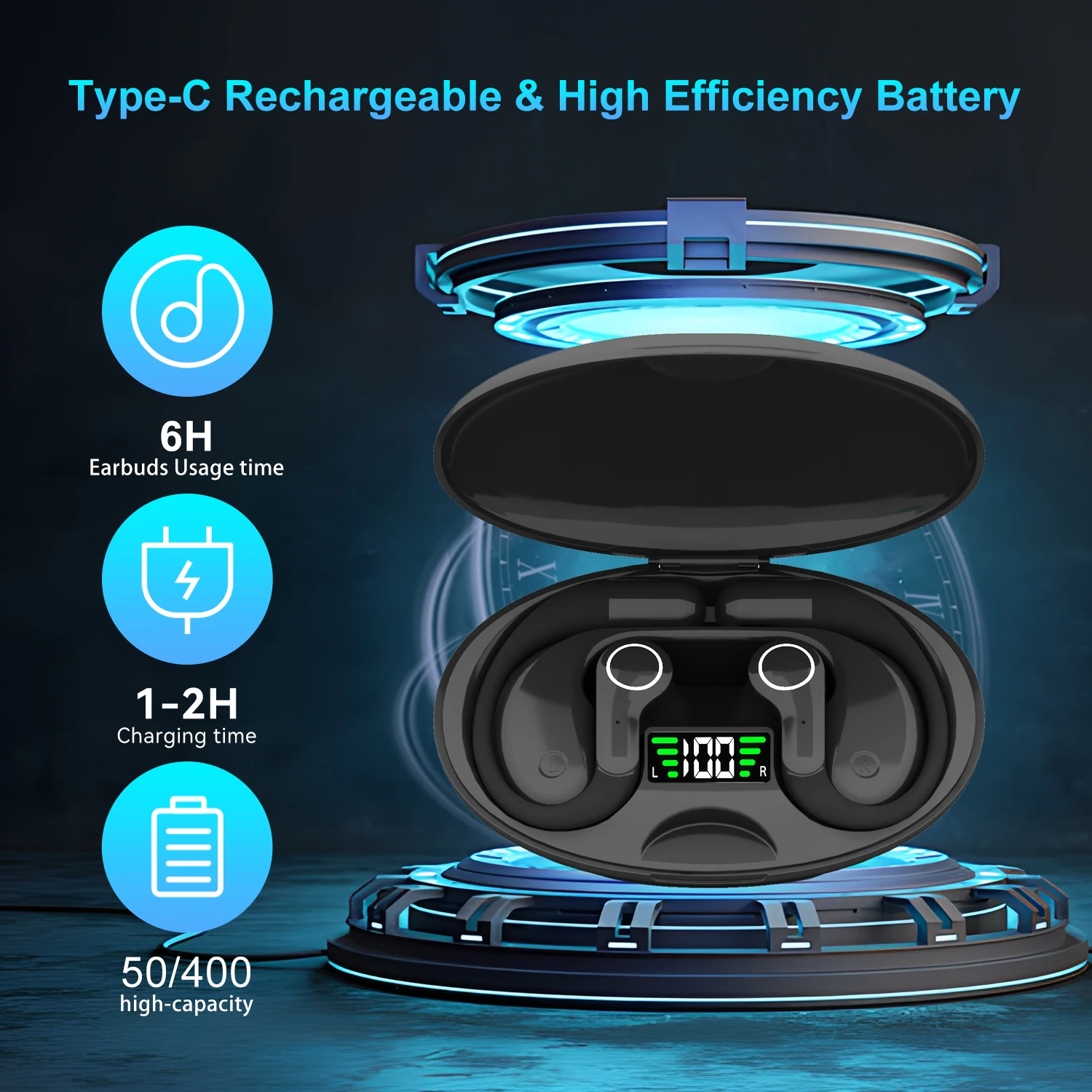
So which product categories deliver the best weight-to-value ratio? Electronics accessories top the list: phone screen protectors, charging cables, Bluetooth earbuds, smartwatch bands, and small USB hubs all weigh under 200 grams each and carry retail prices that comfortably absorb shipping costs. Jewelry and fashion accessories are another strong category — resin earrings, stainless steel rings, silk scarves, and beaded bracelets weigh virtually nothing and can ship in padded envelopes for a few dollars. Stationery items such as washi tape, stickers, mini notebooks, and pen sets also offer excellent margins for their weight.
The key is to calculate your landed cost per unit before you commit to a supplier. Take the product price, add shipping, customs duties, and any packaging, then divide by the number of units. A lightweight item with a slightly lower retail price can easily outperform a heavier item with a higher perceived value once shipping is factored in. This is precisely why stopping overpaying for trade logistics starts with product selection, not carrier negotiation.
Shipping method also matters. For lightweight products under 500 grams, ePacket, China Post Registered Air Mail, and similar services offer incredibly cheap rates with tracking. The trade-off is speed — delivery can take two to four weeks. If your customers expect faster shipping, you can absorb the cost of expedited courier services like DHL eCommerce or YunExpress because the per-unit shipping fee on a 100-gram item is still manageable. The strategies outlined in 7 ecommerce logistics optimization tactics that cut shipping costs apply directly here: lighter products open up more shipping options at lower price points.
Another often-overlooked advantage of lightweight products is packaging cost. A small item fits in a poly mailer or a bubble envelope instead of a corrugated box. Poly mailers cost $0.10 to $0.30 compared to $0.60 to $1.50 for boxes, and they weigh less, which keeps your dimensional weight down. Over hundreds of orders, packaging savings alone can add several hundred dollars to your annual profit. Plus, lightweight packages are less likely to trigger dimensional weight pricing, where carriers charge based on the package volume instead of actual weight.
Supplier selection plays a role too. When sourcing lightweight products, look for suppliers that offer consolidated shipping or have partnerships with lightweight parcel services. Many suppliers on Alibaba and 1688.com can ship small parcels directly to end customers for you, often at rates lower than what you could negotiate independently. Ask for shipping quotes for 100-gram, 300-gram, and 500-gram sample packages before ordering in bulk. The difference between suppliers can be as much as 30 percent on identical products.
The bottom line is that product weight is a strategic variable, not an afterthought. By deliberately choosing products that weigh under 300 grams, you unlock cheaper shipping, lower packaging costs, faster fulfillment, and wider carrier options. The importers who build their entire sourcing strategy around this principle consistently achieve higher profit margins than those who pick products by trend alone.
Related Articles
- Stop Guessing: The Real Cost of Importing Goods From China (With Actual Numbers)
- How to Choose Inventory Management Software for Your Small Import Business
- The #1 Freight Forwarding Problem That Derails Small Importers (And How to Fix It)
Frequently Asked Questions
Q: How do I find reliable suppliers for my small import business?
Start with B2B platforms like Alibaba and Global Sources. Filter suppliers by transaction history, response time, and verified badges. Always request product samples and check trade assurance options before committing to bulk orders.
Q: What is the minimum order quantity for import products?
MOQs vary widely by product category. Standard consumer goods typically have MOQs of 500-1000 units per SKU. Some suppliers offer lower MOQs for first-time buyers, and many platforms now support low-MOO sourcing through hybrid manufacturing models.
Q: How do I negotiate better pricing with suppliers?
Build relationships first before negotiating. Order consolidated shipments to increase volume, offer to pay via wire transfer instead of credit card, and establish long-term commitment. Most suppliers offer 5-15% discounts for bulk orders.
Q: Should I use a sourcing agent or source directly?
Sourcing agents add 5-15% to product costs but save time and reduce risk through factory audits, quality control, and logistics management. Direct sourcing is cheaper for experienced importers who can manage supplier relationships and verification independently.
Q: What documents do I need to source products internationally?
Essential documents include: Request for Quotation (RFQ), Proforma Invoice, Purchase Order, Non-Disclosure Agreement (NDA), and Supplier Agreement. For regulated products, you may also need certification documents like CE, FCC, or RoHS.



