







You spent weeks vetting suppliers on Alibaba. You negotiated a solid price, paid for MOQ samples, and finally launched your product. The first sale comes in — excitement. Then silence. The customer never orders again. They didn’t leave a review. They just vanished. What went wrong?
Most small importers obsess over the hunt — sourcing, pricing, listing. But the real money lives in what happens after the sale. Your post-purchase experience determines whether one-time buyers become recurring revenue streams or expensive acquisition lessons. Neglect it, and every marketing dollar you spend is leaking out the back door.
The truth is brutal: acquiring a new customer costs five to seven times more than retaining an existing one. Yet the average small importer spends 80% of their budget on acquisition and barely 20% on the post-purchase journey. That math works against you from day one.

Smart AI Translation Bluetooth Earphones With LCD Display Noise Reduce New Wireless Digital Long Battery Life Display Headphone

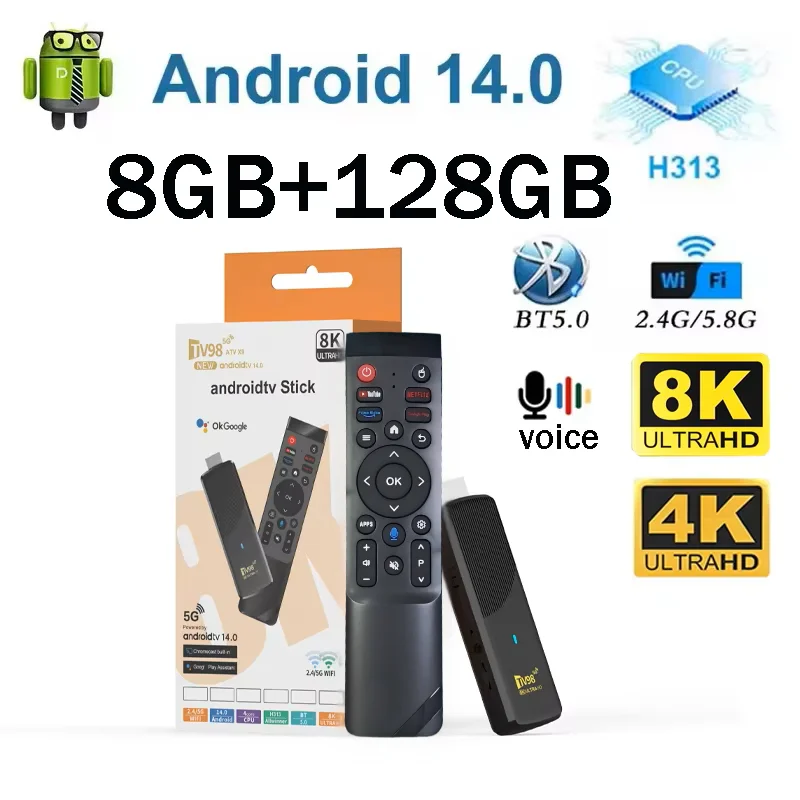
TV98 ATV X9 Smart TV Stick Android14 Allwinner H313 OTA 8GB 128GB Support 8K 4K Media Player 4G 5G Wifi6 HDR10 Voice Remote iptv

Ai Translator Earbud Device Real Time 2-Way Translations Supporting 150+ Languages For Travelling Learning Shopping Business
1. You Treat Shipping Confirmation as Optional
The moment a customer clicks “buy” is when their anxiety spikes. Did the payment go through? When will it ship? Is it real? If you send nothing — or worse, a bare PayPal receipt — you’re feeding that anxiety. Every hour of silence erodes trust. International buyers, especially those ordering from cross-border small commodity sellers, expect tracking details, estimated delivery windows, and real-time updates. Set up automated order notifications through your platform or a simple tool like AfterShip. A confirmation email with tracking, a shipping update, and a “your package is out for delivery” alert cost nothing to send but dramatically reduce support tickets and chargebacks.
2. Your Return Policy Reads Like a Trap
Hidden fees, strict 7-day windows, “buyer pays return shipping to China” — these policies scream “we don’t stand behind our products.” A poor return experience guarantees two things: a lost customer and a negative review. Instead, offer a clear 30-day return window, provide a local return address (use a returns consolidator if needed), and process refunds within 48 hours of receiving the item. As covered in our guide on budget-friendly ecommerce branding, a confident return policy is part of your brand promise. It signals quality, not weakness.
3. You Never Follow Up After Delivery
The package arrives. The customer opens it. And you go silent. This is — by far — the most expensive mistake small importers make. The post-delivery moment is when customer lifetime value is won or lost. A simple “How’s the product working for you?” email 7 days after delivery can increase repeat purchase rates by 30%. Add a request for a review (with a direct link), and you build social proof while re-engaging the buyer. For a deeper dive into turning one-time buyers into loyal fans, read our comparison of email marketing vs loyalty programs for import businesses — both strategies rely entirely on nailing this post-purchase touchpoint.
4. Your Tracking Experience Is a Black Hole
Many small importers use ePacket or China Post surface mail to keep costs low. That’s fine — but when the tracking number sits in “Origin Post is Preparing Shipment” for two weeks with no update, customers panic. They file disputes. They message you hourly. You drown in support tickets. Fix this by using a tracking aggregator that translates scan events into plain English. Better yet, proactively send updates when tracking stalls. A message like “Your package is in transit — customs processing can take 3-5 days. We’re monitoring it closely” turns panic into patience. Free tools like 17TRACK integrate with most ecommerce platforms and notify customers automatically.
5. You Ignore Post-Purchase Feedback
Every customer interaction after the sale is a focus group session. Why did they order? What almost stopped them? Would they recommend you to a friend? Ask these questions in your post-purchase emails. Use the answers to refine your product descriptions, improve your packaging, and even spot new product opportunities. Importers who systematically collect and act on post-purchase feedback see return customer rates 40% higher than those who don’t. If you’re wondering how to start getting those first customers to care enough to respond, check out our guide on getting your first 500 customers for your import store — the same free channels work beautifully for post-sale engagement.
6. Your Packaging Says “Cheap” Without You Knowing
When an international shipment arrives in a battered poly mailer with a crumpled invoice, the customer’s perception of your product crashes before they even open it. Good packaging doesn’t mean expensive. It means intentional. A branded sticker on a plain box, a handwritten thank-you note, or a QR code linking to a video guide can transform a commodity delivery into a memorable experience. These touches cost pennies but compound into referrals, reviews, and repeat orders.
The Infrastructure That Makes Post-Purchase Easy
You don’t need a custom CRM to fix these mistakes. Start with what you already have. Most ecommerce platforms (Shopify, WooCommerce, BigCommerce) support automated email sequences. Use them. Set up three emails: order confirmation (immediate), shipping update (when label is created), and delivery follow-up (7 days post-delivery). Add a fourth for review requests 14 days after delivery. That’s it — four automated emails that cover 80% of your post-purchase gaps.
If you’re dropshipping directly from suppliers, the challenge is harder — you don’t control the shipping speed or packaging. In that case, over-communicate. Send your own branded tracking updates even if the supplier’s system is slow. Be transparent about expected delivery times. Offer a partial refund on shipping if delays exceed your promised window. Customers forgive slow shipping when they’re informed. They punish silence.
The Bottom Line
Your post-purchase experience is not a support function — it is your most underutilized growth engine. Every mistake in the list above represents money walking out the door that you already paid to bring in. Fixing them costs nearly nothing. Ignoring them costs your entire acquisition budget. The importers who build long-term profitable businesses are not the ones with the cheapest products or the flashiest ads. They are the ones who make customers feel valued after the transaction is done. Start with automated follow-ups, fix your return policy, and communicate proactively about shipping. Your bank account will notice the difference.
Related Articles
- Why Your Trust-Building Strategy Is Failing With International Buyers (And How to Fix It)
- The #1 Challenge When Shipping Lightweight Import Products (And How to Fix It)
- How to Optimize Product Listings for International Buyers Without Wasting Months on Testing
Frequently Asked Questions
Q: How do I calculate the total landed cost of imported goods?
Total landed cost = Product Cost + Shipping + Insurance + Customs Duties + Port Fees + Inspection Costs + Payment Processing Fees + Storage. Most new importers underestimate total cost by 15-25%. Use a landed cost calculator for accuracy.
Q: What are the hidden costs of importing products?
Common hidden costs include: currency exchange fees (1-3%), payment wire fees ($25-50 per transaction), sample shipping costs, certification/testing fees, warehousing costs, repackaging materials, and chargeback reserves on marketplace platforms.
Q: How can I reduce my import costs without sacrificing quality?
Negotiate volume discounts with suppliers, consolidate shipments to reduce per-unit freight, use sea freight instead of air, optimize packaging size for container efficiency, and source during off-peak seasons when factory rates are 10-20% lower.
Q: How do I manage cash flow in an import business?
Align payment terms with your sales cycle. Negotiate 30-day credit with suppliers after establishing history. Use credit cards for smaller purchases to float payments 30-45 days. Build a cash reserve of 3 months of operating expenses to handle slow seasons.
Q: Should I use a credit card or wire transfer for supplier payments?
Credit cards offer buyer protection and reward points but cost 2-3% in merchant fees. Wire transfers are cheaper but offer no recourse if problems arise. For new suppliers, use credit cards or escrow services for orders under $5000 to protect your payment.




