







Not every aspiring importer should quit their job and go all-in on international trade. In fact, most should not. The smartest move for the majority of people is to start small, test carefully, and scale only when the data supports it. But how do you know when you are genuinely ready to take that step? This article outlines seven clear indicators that you are prepared for an import side hustle — plus three red flags that suggest you need more preparation before committing capital.
The difference between a successful import side hustle and a failed experiment often comes down to timing. Launch too early without adequate research, and you waste money on products nobody wants. Wait too long while overanalyzing every detail, and you miss market windows that close fast in the world of trending commodities. Getting the timing right requires honest self-assessment rather than blind optimism or excessive caution.
The import landscape has changed significantly in recent years. Low-cost fulfillment options, improved payment infrastructure, and platforms like Shopify have reduced the barrier to entry dramatically. But lower barriers also mean more competition. As covered in Financial Freedom Through Small Commodity Trade: What Changed and What Still Works, the fundamentals that separate profitable importers from those who burn out have not changed — discipline, research, and patience still matter more than any tool or platform.

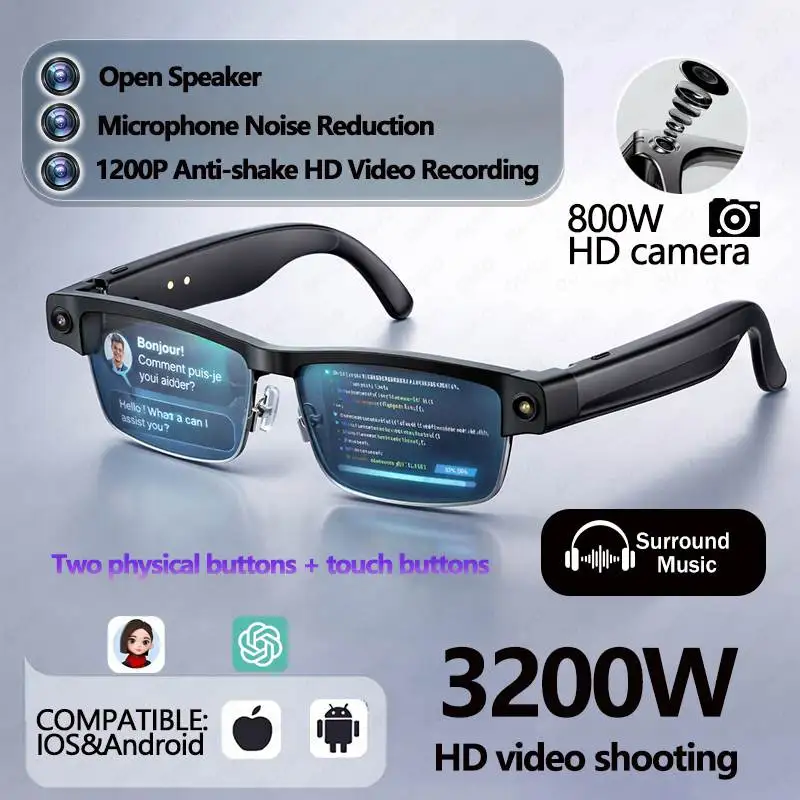
Ai Translator Earbud Device Real Time 2-Way Translations Supporting 150+ Languages For Travelling Learning Shopping Business

Smart AI Translation Bluetooth Earphones With LCD Display Noise Reduce New Wireless Digital Long Battery Life Display Headphone

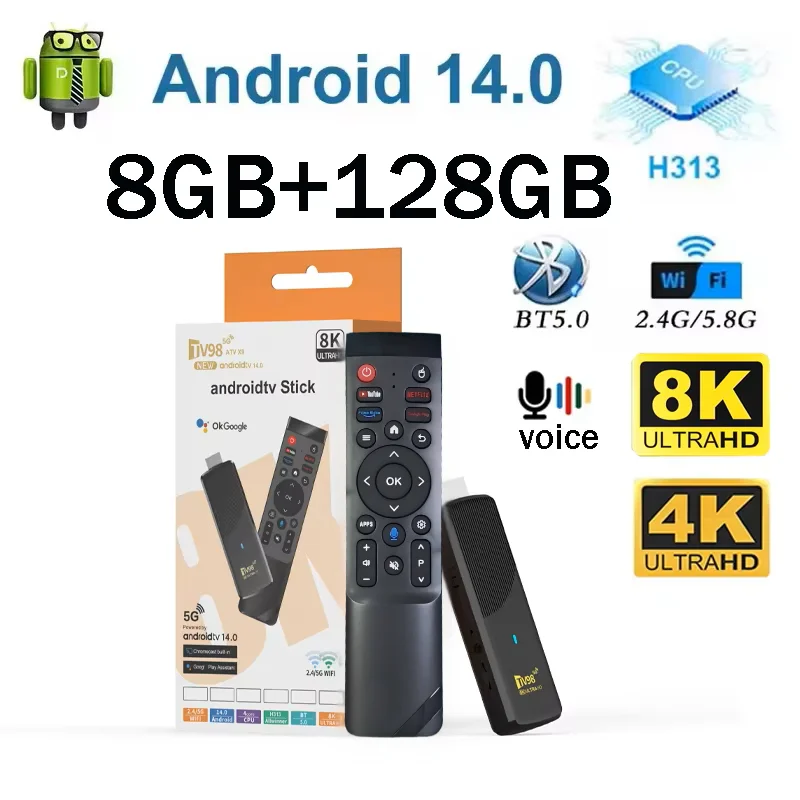
TV98 ATV X9 Smart TV Stick Android14 Allwinner H313 OTA 8GB 128GB Support 8K 4K Media Player 4G 5G Wifi6 HDR10 Voice Remote iptv
Sign You Are Ready: You Have Solved a Problem Yourself First
The best import products solve real problems. But the best import entrepreneurs are those who have experienced those problems firsthand. If you have ever struggled to find a specific gadget, tool, or household item at a reasonable price in your local market, and you found yourself searching overseas suppliers for alternatives — that frustration is a valid market signal. People who import products they personally understand and would use themselves consistently outsell those who pick products purely based on spreadsheet analysis.
Sign You Are Ready: You Understand the Total Cost Picture
Many beginners focus only on the unit price from the supplier and forget everything else. A truly prepared side hustler can calculate landed cost in their sleep — product cost plus shipping, customs duties, insurance, payment processing fees, storage, packaging, and platform selling fees. If you can confidently estimate your total cost before placing an order, you are ahead of 80 percent of new importers. As discussed in 5 Import and Resell Tactics That Build Consistent Profit From Small Shipments, understanding your true costs is the foundation of sustainable profit margins.
Sign You Are Ready: You Have a Testing Budget Set Aside
Your first few orders are tuition. They will teach you more than any course or book, but they also carry real financial risk. A prepared side hustler has a dedicated testing budget — money set aside specifically for product samples, small test orders, and marketing experiments. This budget is separate from your emergency fund and your living expenses. If a test order fails, you learn the lesson without affecting your daily life.
Sign You Are Ready: You Know Your Target Channel
Are you selling on Amazon, eBay, your own Shopify store, or Etsy? Each channel has different fee structures, customer expectations, and competition levels. Prepared importers have chosen their primary channel before buying their first unit. They understand the fee breakdown, the listing requirements, and the advertising mechanics of that specific platform. If you are still unsure where you will sell, you are not ready to buy inventory yet.
Sign You Are Ready: You Have Established Supplier Relationships
A single Alibaba listing does not qualify as a supplier relationship. Readiness means having direct communication with at least two or three suppliers for your target product category. You have asked detailed questions about MOQ, production lead time, quality control processes, and shipping options. You have requested and evaluated samples. The suppliers know you by name, not just as an inquiry number in their message queue.
Sign You Are Ready: You Can Handle Time Zone Challenges
Importing means communicating with suppliers who are often 12 to 15 hours ahead or behind your local time. If you have a day job, this means responding to messages early in the morning or late at night. Prepared side hustlers have a system — template responses for common questions, scheduled check-in times, and clear communication expectations set with suppliers about response windows.
Sign You Are Ready: Your Expectations Are Realistic
If you expect to turn $500 into $10,000 in your first month, you are not ready. Prepared importers understand that the first three to six months are about learning, not profit. A successful first year in an import side hustle means breaking even on product costs while building the systems and knowledge that make future growth possible. The money comes later — after you have made the mistakes and learned from them.
Red Flag: You Have Not Researched Regulations
Every product category has import regulations — safety standards, labeling requirements, restricted materials, tariff classifications. If you do not know what regulations apply to your target product, you risk having your shipment seized at customs or facing fines. This is one of the most overlooked aspects of importing and one of the costliest mistakes beginners make.
Red Flag: You Are Relying on a Single Supplier
Supplier dependency is dangerous. If your only source for a product suddenly raises prices, delays shipments, or goes out of business, your entire business stops. Prepared importers always have at least one backup supplier vetted and ready. Even if you never use the backup, knowing it exists changes how you negotiate with your primary supplier.
Red Flag: You Cannot Afford to Lose Your Investment
If losing your initial inventory investment would cause financial hardship — missed rent, unpaid bills, credit card debt — you are not ready to start. Importing carries real risk. Products arrive damaged. Trends shift. Demand evaporates. A prepared side hustler only risks capital they can afford to lose completely. If that is not possible yet, save more before starting.
Moving Forward with Confidence
Readiness is not about having everything figured out. It is about having enough foundation that your mistakes are learning experiences rather than disasters. Check yourself against these seven signs and three red flags. If you have more green lights than red flags, you are ready to place your first test order. If the red flags outweigh the green lights, spend more time preparing — your future self will thank you when your first shipment sells out instead of gathering dust.
Related Articles
- From Random Flips to Predictable Revenue: A Product Flipping System That Delivers Monthly Income
- Active Income vs Passive Income: Which Multiple Streams Strategy Wins for Import Traders?
- 5 Hidden Distribution Bottlenecks That Kill Importer Profit Margins
Frequently Asked Questions
Q: How do I choose between Alibaba and AliExpress for sourcing?
Use Alibaba for bulk orders (100+ units) at factory prices. Use AliExpress for sample orders or when testing new products with small quantities. AliExpress prices are 30-50% higher but include shipping and offer easier payment protection.
Q: How long does it take to start making money from import business?
Most importers see first profits within 3-6 months. The first 2 months involve product research, supplier vetting, and sample ordering. Months 3-4 cover manufacturing and shipping. The final 2 months are for listing, marketing, and generating first sales.
Q: What is dropshipping and how is it different from importing?
Dropshipping means the supplier ships directly to customers with no inventory on your end. Importing involves buying in bulk, storing inventory, and shipping yourself. Dropshipping has lower risk but lower margins. Importing offers higher margins with more control.
Q: How do I handle customer service for imported products?
Set up automated email responses for common questions. Use live chat during business hours. Create detailed FAQ pages on your site. Pre-ship quality checks reduce return rates. Respond to inquiries within 24 hours to maintain good seller ratings.
Q: What are common mistakes new importers make?
Top mistakes: ordering too much inventory without demand validation, choosing the cheapest supplier without verification, underestimating shipping costs, ignoring customs duties, pricing products too low, and neglecting trademark protection.





