








Product selection is the single most critical decision for cross-border ecommerce sellers. Get it right, and you scale fast. Get it wrong, and inventory piles up while margins disappear. As we move through 2026, global consumer trends are shifting rapidly — AI-powered hardware, smart home devices, portable tech, and health & wellness products are leading the charge. This article breaks down the top cross-border ecommerce product selection trends and 5 profitable niches worth your attention this year.
According to the latest market data, the global cross-border ecommerce market is projected to exceed $4.8 trillion in 2026. The fastest-growing categories include smart wearables (+23% YoY), AI consumer electronics (+31%), smart home tech (+18%), and outdoor portable gear (+15%). What do these categories have in common? Moderate technical barriers, mature supply chains, mid-to-high price points, and solid repeat purchase rates — the perfect formula for sustainable cross-border selling.
The core logic of product selection has shifted from “finding cheap products” to “finding differentiated value.” Simple mass-listing strategies are being replaced by data-driven selection + branded operations. Here are the 5 most promising product selection directions for cross-border sellers in 2026.

Ai Translator Earbud Device Real Time 2-Way Translations Supporting 150+ Languages For Travelling Learning Shopping Business

TV98 ATV X9 Smart TV Stick Android14 Allwinner H313 OTA 8GB 128GB Support 8K 4K Media Player 4G 5G Wifi6 HDR10 Voice Remote iptv

Smart AI Translation Bluetooth Earphones With LCD Display Noise Reduce New Wireless Digital Long Battery Life Display Headphone
1️⃣ Smart Wearables — NFC Rings & Keychains
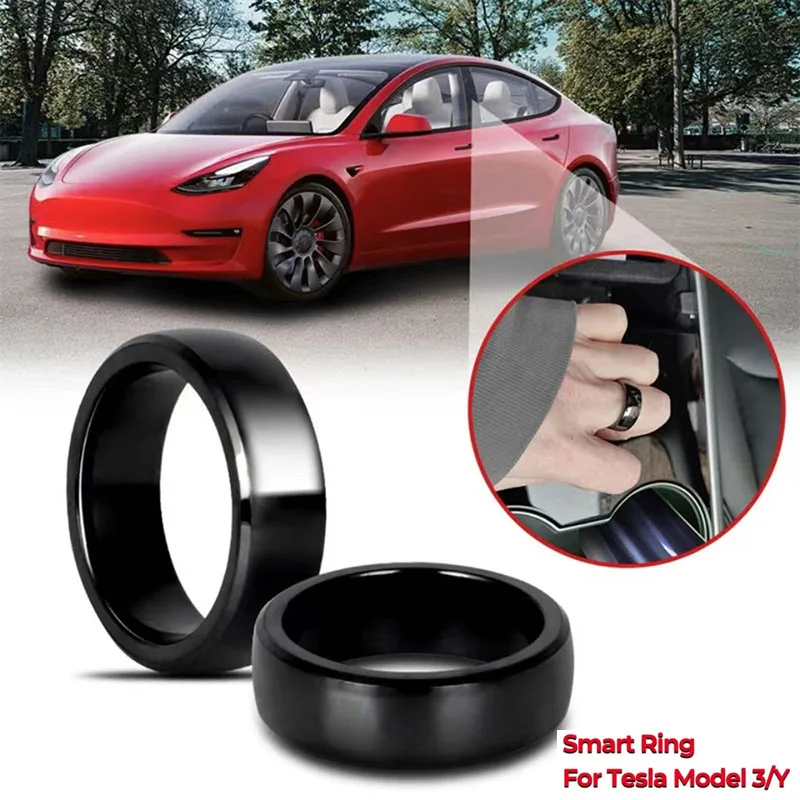
Wearable tech has expanded beyond wristbands and smartwatches into rings, keychains, and even jewelry. The 2026 trend keywords are NFC + Fashion + Multi-function. Take the Smart NFC Ceramic Key Ring — it embeds an NFC chip inside a ceramic keychain that can replace Tesla car keys, access cards, and hotel room keys. These products are lightweight, compact (Light & Small), priced at €10–30, cheap to ship, and have extremely low return rates — the perfect “Light, Small, Expensive” formula.
2️⃣ Portable Bluetooth Audio — Earbuds to Outdoor Speakers
Bluetooth audio is a mature category that never cools down, but the 2026 opportunity lies in niche scenarios. The Ortizan Bluetooth Speaker targets outdoor portability with 40W enhanced bass, perfectly hitting high-frequency use cases like camping, beach trips, and parties. Meanwhile, AI translation earbuds tap into the vertical demand for travel and language learning. Pro tip: avoid generic white-label Bluetooth earbuds (red ocean); focus on scenario-specific products like bass-heavy outdoor speakers or AI translation earbuds.
3️⃣ Smart Home & Ambient Tech
The biggest smart home trend in 2026 is “ambient tech” — products that are not just functional but visually stunning. The Star Galaxy Projector perfectly combines tech and ambiance, generating tons of organic traffic on TikTok and Instagram. Similar products include smart aroma diffusers, LED mood lights, and projection alarm clocks. These products feature strong visual appeal (perfect for short-video marketing), low manufacturing costs, and profit margins as high as 50–70%.
4️⃣ TV Boxes & Streaming Devices
The global OTT streaming market continues to grow, making TV boxes a steadily growing category. The 2026 trend demands 8K decoding + latest Android OS + ample storage. These products benefit from mature technology, supply chains concentrated in Shenzhen, €15–40 price points, and return rates below 5%. Ideal for sellers with some electronics experience looking for stable, repeatable profits.
5️⃣ Coffee Equipment — From Hand Grinders to Semi-Automatic Espresso Machines
Coffee culture is booming worldwide, making home coffee equipment a blue ocean category worth watching in 2026. From electric coffee grinders to semi-automatic espresso machines, coffee equipment features high price points (€20–200), strong user loyalty, and high social sharing appeal. Products with OLED displays, PID temperature control, and other tech-driven features are especially popular in European and American markets.
? Key Takeaways
Cross-border ecommerce product selection in 2026 comes down to three keywords: differentiation, scenario-focus, visual appeal. Instead of fighting price wars in red ocean markets, focus on blue ocean categories — find lightweight, high-ticket, low-return products, and win over international customers with quality content and compelling visuals. Remember: product selection isn’t about finding cheap goods — it’s about finding differentiated value.
Found this guide helpful? Share your own product selection experiences in the comments below!
Frequently Asked Questions
Q: How do I find profitable products to import?
Start by analyzing Amazon Best Sellers Rank, Google Trends, and social media trends. Look for products with steady demand, low competition, high profit margins (40%+), and lightweight construction for affordable shipping. Avoid seasonal or trendy products.
Q: How do I validate product demand before importing?
Run small-scale Facebook or Instagram ad tests with $50-100 budgets. Check multiple Amazon listings for consistent sales velocity. Monitor keyword search volume trends. Pre-sell on platforms like eBay or Etsy before ordering inventory in bulk.
Q: How do I analyze competitor products effectively?
Study top-selling competitor listings for pricing, features, and customer reviews. Identify common complaints to improve your product. Check their monthly sales estimates, keyword rankings, and advertising strategies using seller analytics tools.
Q: What profit margin should I target for imported products?
Target a minimum 40-50% gross margin on landed cost (product + shipping + duties). After marketplace fees, advertising costs, and returns, aim for 15-25% net profit. Products with margins below 30% are difficult to scale profitably.
Q: How many products should I test in my first order?
Start with 3-5 products with small quantities (100-200 units each). This keeps your upfront investment under $2000-3000 while giving enough data to identify winning products. Scale winners and drop underperformers after 2-3 months of sales data.
BEST SELLING
Ai Translator Earbud Device Real Time 2-Way Translations Supporting 150+ Languages For Travelling Learning Shopping Business
Experience seamless communication with our AI Translator Earbud, capable of real-time 2-way translations in over 150 languages, perfect for global…
Buy Now
ANLAN EMS Eye Beauty Device Microcurrent Eye Massager Remove Eye Bags Dark Circles Red Blue Light Eye Lifting Massage Instrument
Intensive care for eyes & lips in 10min every day. EMS X Heat Compress & lontophoresis & LED Light Therapy…
Buy Now
Velec Smart TV Stick Android 12 Allwinner H618 6k BT Voice Remote Control Portable Media Player for NETFLIX Youtube Google
Velec Smart TV Stick Android 12 Allwinner H618 6k BT Voice Remote Control Portable Media Player for NETFLIX Youtube Google
Buy Now
Electric Cervical Massager Neck Stretcher Pulse Traction Heating Pain Relif Chiropractic Traction Head Acupoint Massage Pillow
Electric Cervical Massager Neck Stretcher Pulse Traction Heating Pain Relif Chiropractic Traction Head Acupoint Massage Pillow
Buy Now
EMS Beauty Neck Instrument Microcurrent Face Neck Beauty Device LED Photon Reduce Double Chin Anti Wrinkle Tightening Neck Skin
EMS Beauty Neck Instrument Microcurrent Face Neck Beauty Device LED Photon Reduce Double Chin Anti Wrinkle Tightening Neck Skin
Buy Now
Control Teaser Interactive Toy 32G Cat Smart Companion Robot for Pets Baby Old Man 1080P HD Security WiFi Remote
Unusual Situation Warning. Automatically monitor abnormal situations and promptly push messages through the app.
Buy Now