







Why AI Home Robots Are the Sleeper Hit of 2026
The consumer robotics market is undergoing a dramatic shift. While robot vacuum cleaners dominated for years, 2026 is the year of the AI companion robot — small, affordable, interactive devices that chat, express emotions, tell stories, answer questions, and even integrate with smart home ecosystems. Powered by large language models like DeepSeek and GPT, these devices are bringing genuinely useful AI interaction into everyday homes.
For cross-border sellers, AI home robots represent a ground-floor opportunity. The category is still young, competition from large brands is minimal at the budget-to-mid tier ($15-50), and the products generate extraordinary social media engagement — videos of AI robots interacting with children, pets, and elderly family members consistently go viral.
The AI Robot Market Opportunity
- Consumer robot market: $25+ billion by 2027
- AI companion robot segment: Growing at 40%+ CAGR
- Key demographics: Families with children (40%), elderly care (25%), tech enthusiasts (20%), pet owners (15%)
- Average order value: $20-60 with strong upsell potential (additional AI characters, accessories)
Top AI Robot Products for Cross-Border Sellers
Three AI Robot Categories That Are Taking Off
1. Voice Chat AI Robots with DeepSeek/GPT Integration
The most exciting category is AI robots that connect to cloud-based LLMs for natural, unlimited conversation. Compact desktop robots with WiFi/Bluetooth that answer questions, tell stories, sing songs, and engage in open-ended dialogue are flying off shelves. Key selling features: multiple AI personalities, voice recognition, face tracking, LED emotional expressions, and OTA updates for ongoing improvement.

Ai Translator Earbud Device Real Time 2-Way Translations Supporting 150+ Languages For Travelling Learning Shopping Business

TV98 ATV X9 Smart TV Stick Android14 Allwinner H313 OTA 8GB 128GB Support 8K 4K Media Player 4G 5G Wifi6 HDR10 Voice Remote iptv

Smart AI Translation Bluetooth Earphones With LCD Display Noise Reduce New Wireless Digital Long Battery Life Display Headphone
2. Interactive Plush AI Toys with Voice & LED Eyes
Soft, huggable AI plush toys that can talk, respond to touch, display emotions through LED eyes, and speak multiple languages are bridging the gap between traditional stuffed animals and smart devices. These appeal to parents looking for educational screen-free entertainment for children. Multilingual support (English, Chinese, Spanish, etc.) is a major differentiator.
3. Desktop AI Chat Assistants with Smart Home Integration
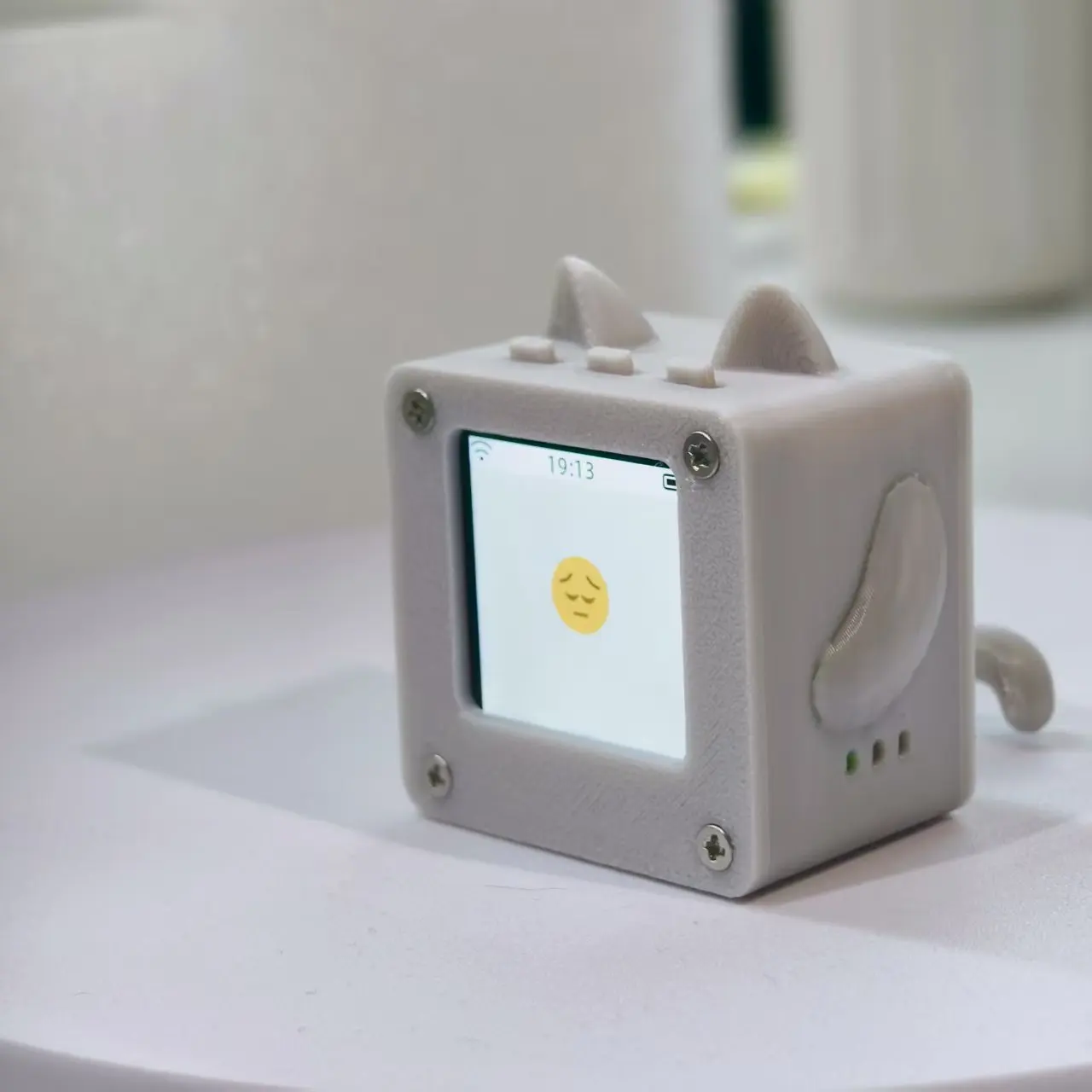
Mijia-style AI chat robots with 6 different AI models, WiFi and Bluetooth connectivity, smart home control (compatible with Tuya/Smart Life), alarm clock, smart speaker, and display functions are serving as affordable (under $50) alternatives to products like Amazon Echo Show or Google Nest Hub — with the added appeal of unique AI character interactions.
Sourcing Checklist
- AI model quality: Test the actual conversation quality before ordering. Poor AI = returns + bad reviews.
- Language support: Verify the device supports your target market’s language natively, not just through translation.
- App integration: A well-designed companion app dramatically improves the user experience and reduces support tickets.
- Battery life: Minimum 4 hours active use. 8+ hours standby.
- Child safety: Ensure materials are non-toxic (EN71/ASTM F963 certified) and no small parts for children under 3.
Marketing to Maximize ROI
Emotional connection is everything. AI robots are sold on emotion, not specs. Marketing content should focus on: children laughing with the robot, elderly family members having conversations, pets interacting curiously. These moments are pure conversion gold on social media.
Educational positioning: “Screen-free learning companion,” “AI that grows with your child,” and “Conversational English practice partner” are compelling positioning angles for parents.
SEO Keywords
AI robot toy, smart companion robot, AI chat robot 2026, DeepSeek robot toy, interactive talking toy, AI friend for kids, smart voice assistant robot, AI plush toy, educational robot, smart home robot assistant.
The Verdict
AI home robots are at the very beginning of their adoption curve. The technology is finally good enough at price points accessible to mainstream consumers. Cross-border sellers who enter this niche now with quality products and emotionally compelling content will be well-positioned as the category matures over the next 3-5 years.
Frequently Asked Questions
Q: Do I need an import license to start my import business?
Most small-scale e-commerce importers don't need a general import license. However, regulated products like electronics, food items, cosmetics, and children's products may require special permits or certifications. Check your country's customs authority website.
Q: What are the risks of non-compliance with import regulations?
Non-compliance can result in shipment seizures, customs fines (10-50% of goods value), delayed deliveries, legal penalties, and reputational damage. In severe cases, repeat violations can lead to import bans and criminal charges.
Q: How do tariff classifications affect my import costs?
Each product has a Harmonized System (HS) code that determines duty rates. Incorrect classification can lead to overpaying duties or penalty fees. Free trade agreements can reduce or eliminate tariffs on qualifying products.
Q: How do I handle restricted or prohibited products?
Check your country's prohibited and restricted import list before sourcing. Common restricted items include counterfeit goods, endangered species products, certain chemicals, and regulated health supplements. Customs will seize non-compliant shipments without compensation.
Q: What labeling requirements apply to imported products?
Labeling laws typically require country of origin marking, manufacturer information, product ingredients/materials, safety warnings, and care instructions in the local language. Some countries require specific font sizes and permanent labels on products.
BEST SELLING

Top Mirasing 10-Channel Digital BTE/RIC Hearing Aid – Rechargeable & Noise Cancelling with Portable Charging Case
Al Algorithm and DSP Chip for Smarter Acoustic Processing. Price Now: EUR 44.07 (Original price: EUR 108.50, 59% off).
Buy Now
Ai Translator Earbud Device Real Time 2-Way Translations Supporting 150+ Languages For Travelling Learning Shopping Business
Experience seamless communication with our AI Translator Earbud, capable of real-time 2-way translations in over 150 languages, perfect for global…
Buy Now
Control Teaser Interactive Toy 32G Cat Smart Companion Robot for Pets Baby Old Man 1080P HD Security WiFi Remote
Unusual Situation Warning. Automatically monitor abnormal situations and promptly push messages through the app.
Buy Now
Velec Smart TV Stick Android 12 Allwinner H618 6k BT Voice Remote Control Portable Media Player for NETFLIX Youtube Google
Velec Smart TV Stick Android 12 Allwinner H618 6k BT Voice Remote Control Portable Media Player for NETFLIX Youtube Google
Buy Now
S50 Intelligent Robot Dog Gesture-Sensing Shape-Shifting Eight-Wheel Stunt Remote Control Car Toy for Children Christmas Gift
Ability training: Emotion, vision, intellectual development, crawling, hands-on thinking, grasping, senses, hand-eye coordination
Buy Now
Light Luxury Bathroom Shower Filter Showerhead Beauty High Pressure Shower Head Water Sav
Light Luxury Bathroom Shower Filter Showerhead Beauty High Pressure Shower Head Water Sav
Buy Now