








Why AI Pet Robots Are the Emotional Tech Niche of 2026
Robotic pets and AI companions have evolved from expensive novelties into affordable, emotionally engaging consumer products. In 2026, a new generation of AI-powered pet robots — robotic dogs with lifelike movement, AI pet cameras with two-way audio and treat dispensing, and smart planters that respond to touch and express emotions — are creating a completely new product category at the intersection of pet tech, AI companions, and ambient intelligence.
This niche is uniquely positioned for cross-border success: products create strong emotional connections (leading to social sharing and organic reach), appeal to multiple demographics (pet owners, elderly, families, tech enthusiasts), and benefit from the rapidly growing pet tech market.
Why This Market Is Exploding
- Pet tech market: $10+ billion by 2027, 25%+ CAGR
- AI companion robot segment: 40%+ annual growth
- Smart pet product buyers: 70%+ share their purchases on social media
- Average order value: $30-100 with strong accessories/upsell potential
Top AI Companion Products for Cross-Border Sellers
Three Companion Tech Sub-Niches That Are Booming
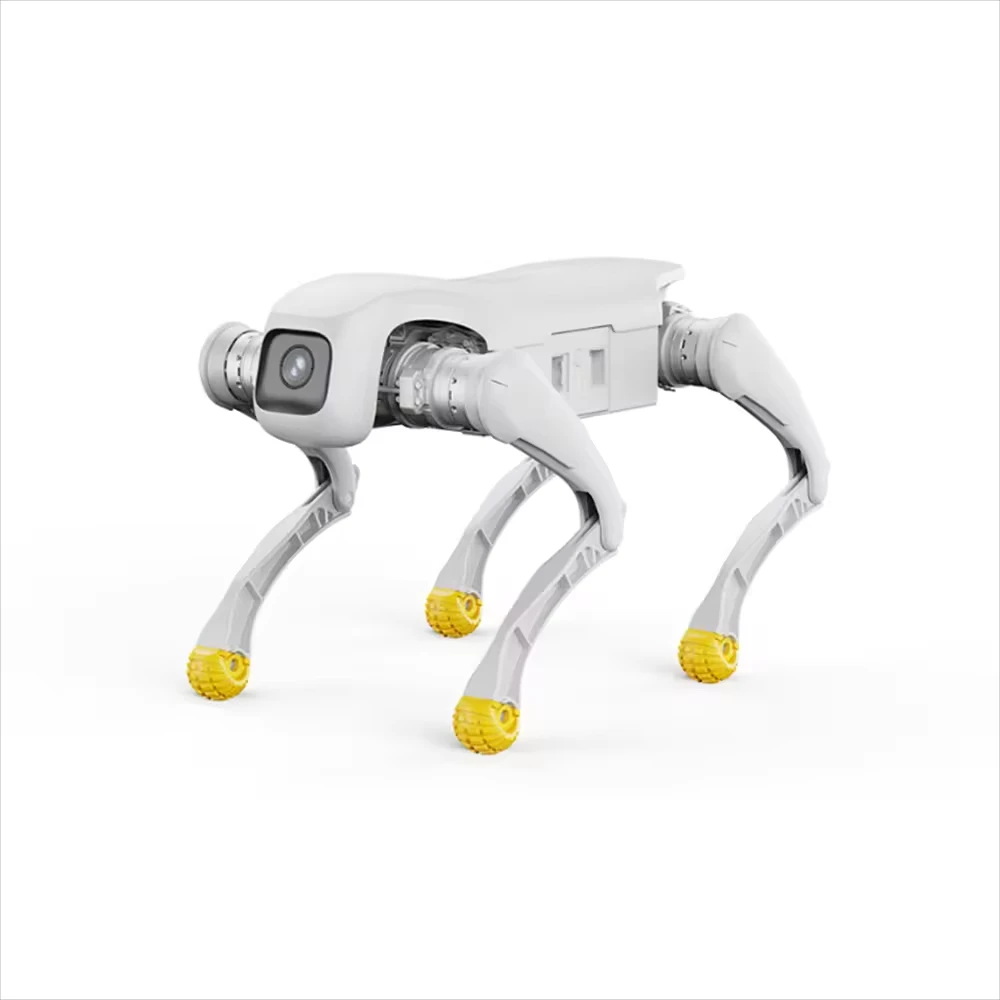
1. AI Four-Legged Robotic Dogs with App Control
Advanced robotic dogs with bionic leg design, metal construction, 12+ servo motors for lifelike movement, app control via smartphone, programmable actions, LED expression eyes, and voice interaction are the premium tier of robotic pets. These go far beyond simple toys — they can walk, sit, roll over, dance, follow commands, and express emotions. Price range: $60-200. The combination of programmability (great for kids learning coding) and emotionally responsive behavior (great for companionship) drives broad appeal.

Smart AI Translation Bluetooth Earphones With LCD Display Noise Reduce New Wireless Digital Long Battery Life Display Headphone

TV98 ATV X9 Smart TV Stick Android14 Allwinner H313 OTA 8GB 128GB Support 8K 4K Media Player 4G 5G Wifi6 HDR10 Voice Remote iptv

Ai Translator Earbud Device Real Time 2-Way Translations Supporting 150+ Languages For Travelling Learning Shopping Business
2. AI Home Companion Pet Robots with Cameras
Smart pet robots with 1080P HD cameras, two-way audio, treat dispensing, night vision, motion detection, and autonomous roaming are the bridge between security cameras and pet care. These let owners check on, talk to, and even feed their real pets remotely — and also work as home monitoring devices. Emotional design (cute “face” with expressive LED eyes) makes them feel like companions rather than cameras. Price sweet spot: $40-90.
3. Smart Planters with AI Emotion & Voice Interaction
Perhaps the most unexpected hit of 2026: smart planters with 49+ facial expressions, 7 AI chips, touch sensors, and voice interaction that respond when you touch them, talk to them, or walk by. These “emotional planters” blur the line between home decor, virtual pet, and ambient AI companion. They’re particularly popular with apartment dwellers, plant lovers, and as anxiety-relief gadgets. Price point: $15-30.
Sourcing Checklist
- Motor quality: Metal gear servos for robotic dogs (plastic gears strip quickly and generate returns).
- Battery life: Minimum 1 hour of active movement, 8+ hours standby for robotic pets.
- Camera quality: 1080P minimum for pet robots with cameras. Night vision with IR LEDs.
- App ecosystem: A well-designed companion app is the make-or-break factor. Test thoroughly in English.
- Safety certifications: EN71 (Europe) and ASTM F963 (US) for products targeting children.
Marketing Strategy
Emotional content is the #1 driver. Videos showing children bonding with a robotic dog, elderly people interacting with an AI companion, or plants “responding” to touch generate massive organic reach. This is one of the most shareable product categories in cross-border ecommerce.
Pet owner targeting: Campaigns targeting pet owners who worry about leaving their pets alone (companion pet robots with cameras) and parents looking for educational/emotional AI toys.
SEO Keywords
AI robot dog, robotic pet 2026, smart pet robot, AI companion robot, pet camera with treat dispenser, smart planter AI, emotional plant pot, robotic dog app control, home companion robot, AI pet tech.
The Verdict
AI companion robots and smart pet tech represent cross-border ecommerce at its most exciting — emotional products with viral potential, strong margins, and a rapidly growing market. Sellers who invest in quality product photography and emotional storytelling will find this niche extraordinarily rewarding.
Frequently Asked Questions
Q: What import regulations apply to small e-commerce businesses?
Small importers must comply with customs declarations, tariff classifications, product safety standards, and labeling requirements in the destination country. The specific regulations depend on your product category and target market.
Q: What product safety standards do I need to meet?
Requirements vary by country. The EU requires CE marking for electronics and toys. The US needs FCC certification for wireless devices and CPSC compliance for children's products. Always verify destination country requirements before importing.
Q: How do I handle restricted or prohibited products?
Check your country's prohibited and restricted import list before sourcing. Common restricted items include counterfeit goods, endangered species products, certain chemicals, and regulated health supplements. Customs will seize non-compliant shipments without compensation.
Q: What labeling requirements apply to imported products?
Labeling laws typically require country of origin marking, manufacturer information, product ingredients/materials, safety warnings, and care instructions in the local language. Some countries require specific font sizes and permanent labels on products.
Q: How often do trade regulations change?
Import regulations can change multiple times per year due to trade agreements, tariff adjustments, and safety standard updates. Subscribe to customs authority newsletters and work with a customs broker to stay updated on regulation changes.
BEST SELLING

ANLAN EMS Eye Beauty Device Microcurrent Eye Massager Remove Eye Bags Dark Circles Red Blue Light Eye Lifting Massage Instrument
Intensive care for eyes & lips in 10min every day. EMS X Heat Compress & lontophoresis & LED Light Therapy…
Buy Now
Al Smart Photo Glasses 800W Camera 1200P anti-shake HD Video Recording Translation Voice Assistant Music BT Call Smart Glasses
Voice Assistant Function. Access your world effortlessly with the integrated voice assistant, making hands-free operation a breeze.
Buy Now
Pet Surveillance Camera 360° Robot Camera WIFI Dual Lens Cameras Dual Screen Monitoring 1080P HD PTZ IP Security Surveillance
Dual-lens surveillance video: dual-lens design, two-way rotating monitoring, dual-screen viewing at the same time, home, store, yard door panoramic view,…
Buy Now
Electric Cervical Massager Neck Stretcher Pulse Traction Heating Pain Relif Chiropractic Traction Head Acupoint Massage Pillow
Electric Cervical Massager Neck Stretcher Pulse Traction Heating Pain Relif Chiropractic Traction Head Acupoint Massage Pillow
Buy Now
Ortizan X8 Pro Bluetooth Speaker Portable with 40W Stereo Sound,Rich Bass,IPX7 Waterproof, 30H Playtime, Mixed Color Lights,3 EQ
Ortizan X8 Pro Bluetooth Speaker Portable with 40W Stereo Sound,Rich Bass,IPX7 Waterproof, 30H Playtime, Mixed Color Lights,3 EQ
Buy Now
Ai Translator Earbud Device Real Time 2-Way Translations Supporting 150+ Languages For Travelling Learning Shopping Business
Experience seamless communication with our AI Translator Earbud, capable of real-time 2-way translations in over 150 languages, perfect for global…
Buy Now