








I Ordered 100 of These on a Whim
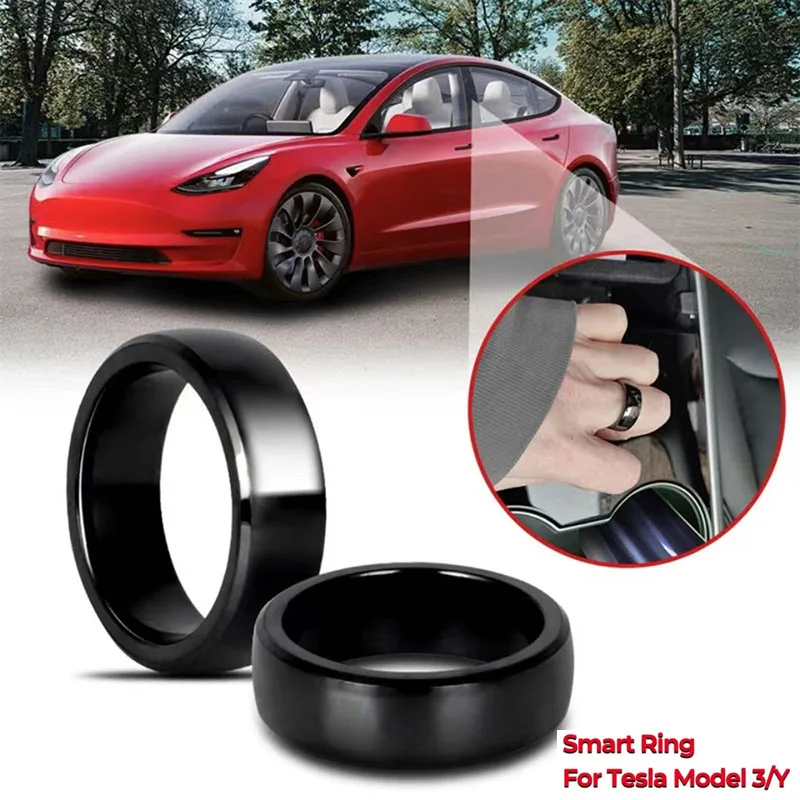
In late 2025, I was browsing 1688.com at 2 AM — as you do when you’re addicted to product sourcing — and found a smart NFC keychain ring listed at ¥8.50 (about $1.20 USD). It was a small ceramic NFC ring with a keychain loop, capable of storing contact info, unlocking NFC doors, and programming for Tesla vehicle entry.
I ordered 100 samples for $120. To be honest, I expected most of them to end up in a drawer.
What happened next changed my entire perspective on Chinese small commodities.

Smart AI Translation Bluetooth Earphones With LCD Display Noise Reduce New Wireless Digital Long Battery Life Display Headphone

Ai Translator Earbud Device Real Time 2-Way Translations Supporting 150+ Languages For Travelling Learning Shopping Business

TV98 ATV X9 Smart TV Stick Android14 Allwinner H313 OTA 8GB 128GB Support 8K 4K Media Player 4G 5G Wifi6 HDR10 Voice Remote iptv
Week 1: Listed on Amazon with basic photos. Sold 8 units at $34.99 each. Revenue: $279.92.
Week 2: Improved listing with better photos and keyword optimization. Sold 27 units.
Week 3: TikTok video about “the keychain that opens my Tesla” went semi-viral. Sold 64 units.
Week 4: Restocked with 500 units. Sold all 500 + the remaining 1 from the first batch = 501 units. Revenue: $17,529.99. Profit after all costs: approximately $12,000+.
The product: a $1.20 Chinese ceramic NFC ring on a keychain. The audience: Tesla owners and tech enthusiasts who were delighted to find a $35 product that replaced their bulky key fob.
Why the Keychain Product Category Is Undervalued
- Keychain products are impulse purchases — $15-$40 is an easy “add to cart” decision
- They solve a real problem — everyone carries keys, and making keys “smart” is a clear value proposition
- They’re visually demonstrable on video — TikTok and Instagram Reels love showing a keychain unlocking a car
- They make great gifts — holiday season multiples the demand 3-5x
The Formula That Worked
- Find a Chinese small commodity under $3 with a clear “smart” or “tech” angle
- Test it with a small order (50-100 units) — total risk: $150-$300
- Create a compelling story — not just a product listing, but a “watch this keychain unlock a car” experience
- TikTok organic + Amazon PPC — let the video content drive organic traffic, use Amazon ads to capture search traffic
- Scale aggressively when you see the signal — 7-day sell-through rate above 30% means you have a winner
The $1.20 Product Framework
Not every $1.20 product will make $12,000 in a month. But the framework is reproducible: find a cheap Chinese commodity that solves a specific, demonstrable problem for a defined audience. Add branding, photography, and a story. Launch with low risk. Scale the winners.
SEO Keywords
$1.20 Chinese product, keychain product success, cheap Chinese products to resell on Amazon, Tesla keychain product, NFC keychain ring, 1688 product sourcing, $12,000 month product, Chinese small commodity success story, low cost high profit products.
Frequently Asked Questions
Q: How do I start an import business with limited capital?
Start with sample orders of 50-100 units per product. Use platforms like Alibaba to find low-MOQ suppliers. Sell through Amazon FBA or your own Shopify store. Reinvest early profits into scaling successful products. Initial investment of $2000-5000 is realistic.
Q: What products are best for cross-border e-commerce?
Focus on products under 500g that are compact, durable, and under $50 retail. Popular niches include phone accessories, fitness gear, pet supplies, home organization, and kitchen gadgets. Avoid fragile, regulated, or seasonal products.
Q: How long does it take to start making money from import business?
Most importers see first profits within 3-6 months. The first 2 months involve product research, supplier vetting, and sample ordering. Months 3-4 cover manufacturing and shipping. The final 2 months are for listing, marketing, and generating first sales.
Q: Do I need a business license to import products?
Most countries require a registered business entity and tax ID to import commercially. For small-scale selling, sole proprietorship or LLC registration is sufficient. Check your local business registration requirements as they vary by jurisdiction.
Q: What are common mistakes new importers make?
Top mistakes: ordering too much inventory without demand validation, choosing the cheapest supplier without verification, underestimating shipping costs, ignoring customs duties, pricing products too low, and neglecting trademark protection.
BEST SELLING

Al Smart Photo Glasses 800W Camera 1200P anti-shake HD Video Recording Translation Voice Assistant Music BT Call Smart Glasses
Voice Assistant Function. Access your world effortlessly with the integrated voice assistant, making hands-free operation a breeze.
Buy Now
Smart AI Translation Bluetooth Earphones With LCD Display Noise Reduce New Wireless Digital Long Battery Life Display Headphone
Motherboard solution: ChinaCache 5636E-ANC+ENC. Talk time: 7-8 hours. Earphone battery: 40 mAh.
Buy Now
Magnetic Wireless Charger Mount Vacuum Suction Cup Car Phone Holder Stand For iPhone 17 16 15 14 13 12 Pro Max Fast Charging
Magnetic Wireless Charger Mount Vacuum Suction Cup Car Phone Holder Stand For iPhone 17 16 15 14 13 12 Pro…
Buy Now
TV98 ATV X9 Smart TV Stick Android14 Allwinner H313 OTA 8GB 128GB Support 8K 4K Media Player 4G 5G Wifi6 HDR10 Voice Remote iptv
Advanced Connectivity:Seamless streaming with dual-band WiFi 5GHz support and Bluetooth 5.0, ensuring a stable and fast connection for your media.
Buy Now
Velec Smart TV Stick Android 12 Allwinner H618 6k BT Voice Remote Control Portable Media Player for NETFLIX Youtube Google
Velec Smart TV Stick Android 12 Allwinner H618 6k BT Voice Remote Control Portable Media Player for NETFLIX Youtube Google
Buy Now
Light Luxury Bathroom Shower Filter Showerhead Beauty High Pressure Shower Head Water Sav
Light Luxury Bathroom Shower Filter Showerhead Beauty High Pressure Shower Head Water Sav
Buy Now