








The “Chinamaxxing” Trend — Explained
There’s a new term popping up in ecommerce communities: “Chinamaxxing.” It’s the practice of actively leveraging China’s manufacturing dominance to build a profitable online business — not by exploiting cheap labor, but by intelligently sourcing tiny, premium-quality Chinese products that Western consumers want but can’t find at reasonable prices domestically.
The Chinamaxxing philosophy is simple: China has the world’s most efficient supply chain for small electronics, accessories, and tech gadgets. Trying to source these items from domestic suppliers is fighting gravity. Instead, go where the manufacturing advantage is — China — and use your skills in branding, marketing, and customer service to sell those products to global consumers.
This isn’t controversial. It’s the same logic that Apple (assembled in China), Tesla (Shanghai Gigafactory), and Nike (95% of footwear made in Asia) have followed for decades. The difference is that now, individual entrepreneurs have the same access.

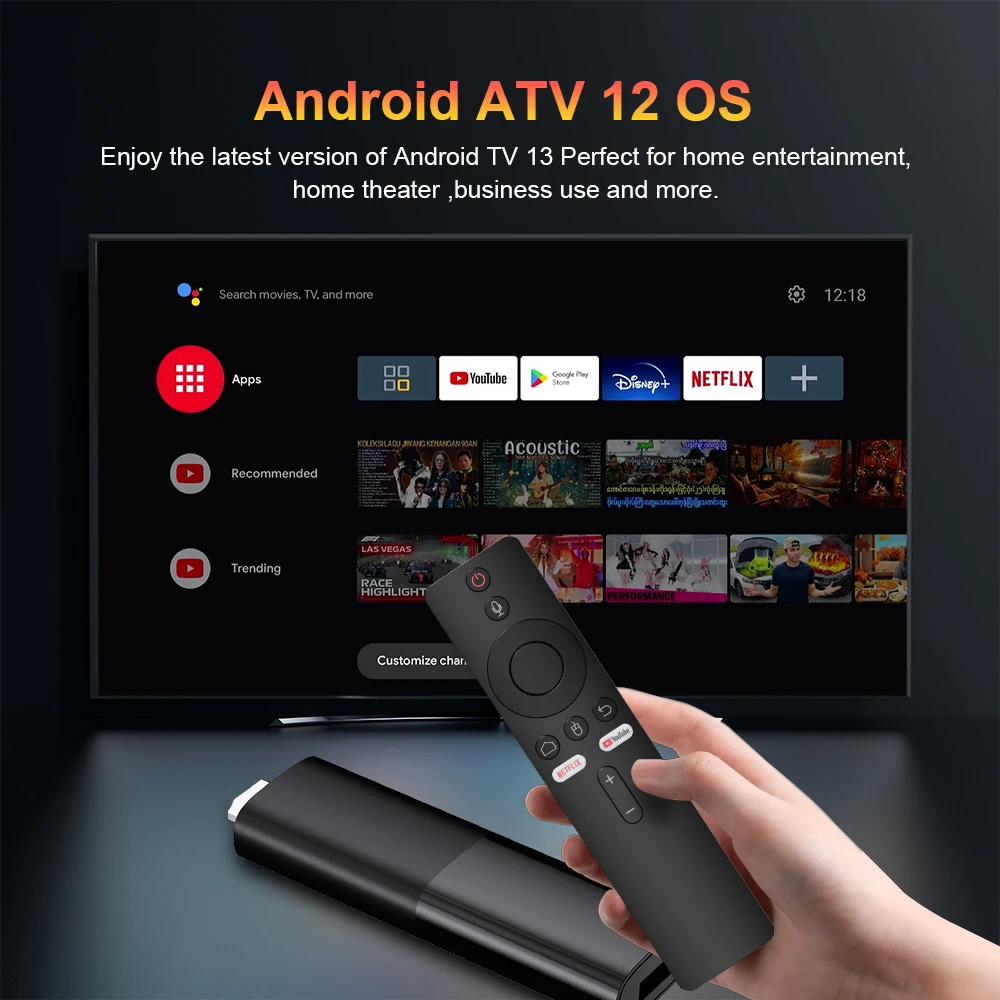
TV98 ATV X9 Smart TV Stick Android14 Allwinner H313 OTA 8GB 128GB Support 8K 4K Media Player 4G 5G Wifi6 HDR10 Voice Remote iptv

Smart AI Translation Bluetooth Earphones With LCD Display Noise Reduce New Wireless Digital Long Battery Life Display Headphone

Ai Translator Earbud Device Real Time 2-Way Translations Supporting 150+ Languages For Travelling Learning Shopping Business
The “Premium Twist” — Why Cheap ≠ Low Quality
The key to Chinamaxxing is not selling junk. It’s finding premium-quality Chinese manufacturing that happens to be priced cheaply because of China’s production scale.
Examples:
- Ceramic NFC rings: Chinese factories produce millions of ceramic watch cases and jewelry items. The same technology applied to $12 smart rings produces a product that feels like it should cost $80.
- Translation earbuds: Chinese audio factories supply major global brands. The “no-brand” version costs $15 and shares the same components as branded $100 earbuds.
- Smart TV sticks: The Allwinner and Rockchip chipsets used in Chinese TV sticks are the same ones found in brand-name devices.
Five Chinamaxxing Principles
- Source from 1688, not AliExpress — 30-70% cheaper for the exact same products
- Invest in presentation — Chinese factory packaging is functional. Your packaging should be premium. The $0.50 you spend on a nice box adds $15-20 to perceived value.
- Test every sample rigorously — not all Chinese factories are equal. Order 3-5 samples from different suppliers for each product.
- Add local customer service — language barriers kill repeat purchases. A US-based customer service person ($4-6/hour on Upwork) prevents returns and builds trust.
- Build a brand, not a commodity listing — the biggest mistake is treating a Chinese product as a race to the bottom price. Brand it, differentiate it, and sell it at a premium.
The Future of Chinamaxxing
As AI translation tools improve, as cross-border logistics become smoother, and as Chinese manufacturing continues to climb the quality ladder, the “Chinamaxxing” opportunity will only grow. The sellers who win will be those who combine Chinese manufacturing efficiency with Western brand-building expertise — not those who simply throw cheap products onto Amazon and hope.
SEO Keywords
Chinamaxxing, Chinese manufacturing advantage, source from China premium products, cross border ecommerce 2026, Alibaba sourcing premium, Chinese gadgets premium branding, China to Amazon strategy, global sourcing.
Frequently Asked Questions
Q: What products are best for cross-border e-commerce?
Focus on products under 500g that are compact, durable, and under $50 retail. Popular niches include phone accessories, fitness gear, pet supplies, home organization, and kitchen gadgets. Avoid fragile, regulated, or seasonal products.
Q: How long does it take to start making money from import business?
Most importers see first profits within 3-6 months. The first 2 months involve product research, supplier vetting, and sample ordering. Months 3-4 cover manufacturing and shipping. The final 2 months are for listing, marketing, and generating first sales.
Q: Do I need a business license to import products?
Most countries require a registered business entity and tax ID to import commercially. For small-scale selling, sole proprietorship or LLC registration is sufficient. Check your local business registration requirements as they vary by jurisdiction.
Q: What is dropshipping and how is it different from importing?
Dropshipping means the supplier ships directly to customers with no inventory on your end. Importing involves buying in bulk, storing inventory, and shipping yourself. Dropshipping has lower risk but lower margins. Importing offers higher margins with more control.
Q: What are common mistakes new importers make?
Top mistakes: ordering too much inventory without demand validation, choosing the cheapest supplier without verification, underestimating shipping costs, ignoring customs duties, pricing products too low, and neglecting trademark protection.
BEST SELLING

Top Mirasing 10-Channel Digital BTE/RIC Hearing Aid – Rechargeable & Noise Cancelling with Portable Charging Case
Al Algorithm and DSP Chip for Smarter Acoustic Processing. Price Now: EUR 44.07 (Original price: EUR 108.50, 59% off).
Buy Now
TV98 ATV X9 Smart TV Stick Android14 Allwinner H313 OTA 8GB 128GB Support 8K 4K Media Player 4G 5G Wifi6 HDR10 Voice Remote iptv
Advanced Connectivity:Seamless streaming with dual-band WiFi 5GHz support and Bluetooth 5.0, ensuring a stable and fast connection for your media.
Buy Now
ANLAN EMS Eye Beauty Device Microcurrent Eye Massager Remove Eye Bags Dark Circles Red Blue Light Eye Lifting Massage Instrument
Intensive care for eyes & lips in 10min every day. EMS X Heat Compress & lontophoresis & LED Light Therapy…
Buy Now
Electric Cervical Massager Neck Stretcher Pulse Traction Heating Pain Relif Chiropractic Traction Head Acupoint Massage Pillow
Electric Cervical Massager Neck Stretcher Pulse Traction Heating Pain Relif Chiropractic Traction Head Acupoint Massage Pillow
Buy Now
CarlinKit 5.0 Mini Ultra Wireless Adapter Wireless CarPlay Android Auto For OEM Car Plug and Play WiFi Bluetooth Auto Connection
CarlinKit 5.0 Mini Ultra Wireless Adapter Wireless CarPlay Android Auto For OEM Car Plug and Play WiFi Bluetooth Auto Connection
Buy Now
Ortizan X8 Pro Bluetooth Speaker Portable with 40W Stereo Sound,Rich Bass,IPX7 Waterproof, 30H Playtime, Mixed Color Lights,3 EQ
Ortizan X8 Pro Bluetooth Speaker Portable with 40W Stereo Sound,Rich Bass,IPX7 Waterproof, 30H Playtime, Mixed Color Lights,3 EQ
Buy Now