







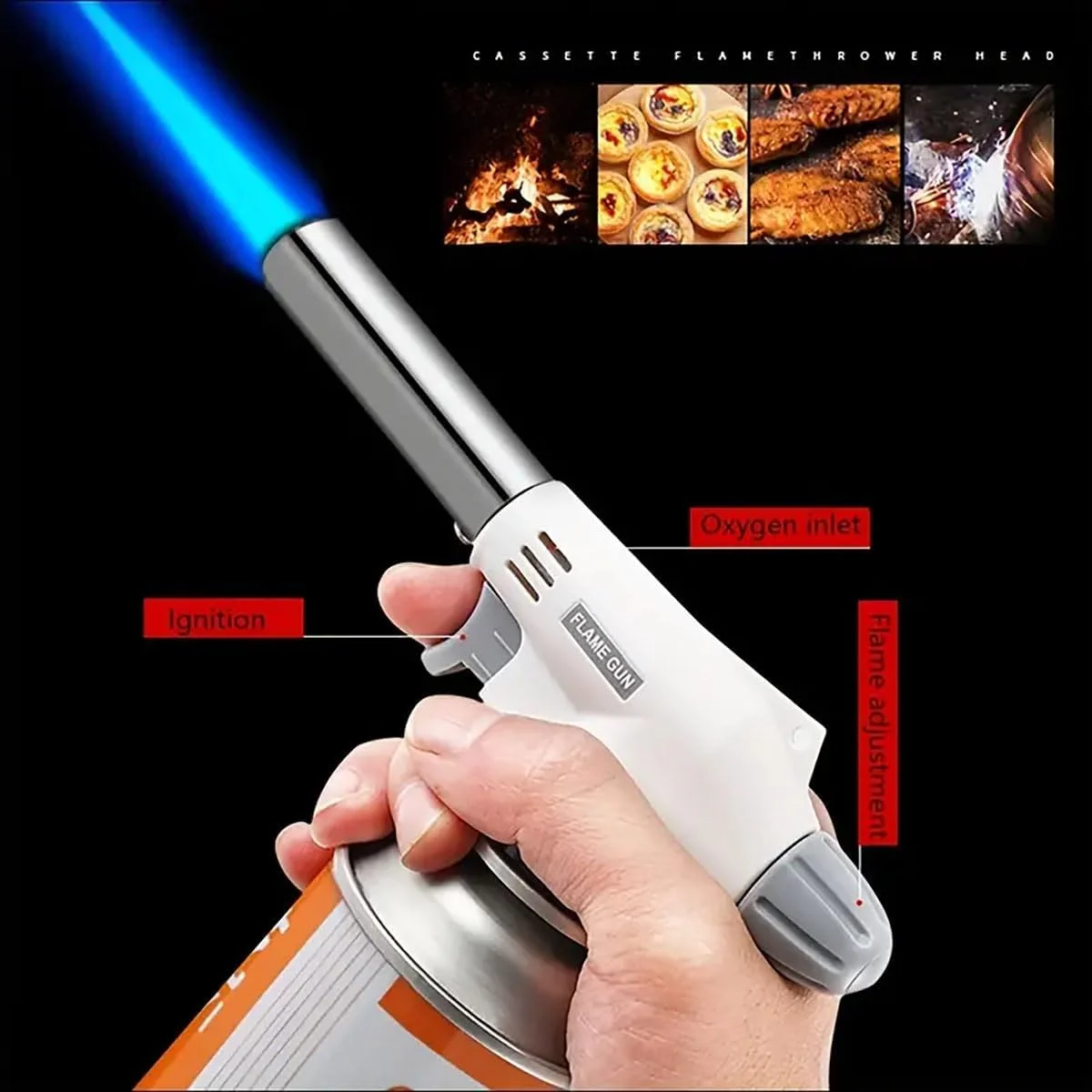
Whether you are lighting a campfire under the stars, searing a perfect steak on the grill, soldering electronics in your workshop, or caramelizing crème brûlée in the kitchen, a camping gas torch lighter is one of the most versatile tools you can own. These compact, refillable butane-powered devices deliver a concentrated, adjustable flame that handles everything from outdoor survival tasks to precision culinary work. In this comprehensive guide, we will explore what makes a great gas torch lighter, how to choose the right one for your needs, and why this humble tool has become a must-have for campers, BBQ enthusiasts, crafters, and DIYers alike.
What Is a Camping Gas Torch Lighter and How Does It Work?
A camping gas torch lighter is a handheld device that uses pressurized butane gas to produce a controlled flame. Unlike disposable cigarette lighters that run out quickly and produce a small, unreliable flame, a refillable butane torch offers consistent, high-temperature output that can be adjusted from a gentle blue flame to a powerful jet capable of melting metal solder or igniting damp firewood.
The basic mechanism is simple. The user fills the torch’s internal tank with standard butane gas from a canister — the same type used for refillable lighters. When the ignition button is pressed, a piezoelectric spark ignites the gas as it exits the nozzle. A dial or slider on the side controls the gas flow, allowing the user to adjust flame height and intensity. Higher-end models feature a safety lock that prevents accidental ignition and a flame lock that keeps the torch burning without holding down the button, which is invaluable during extended use such as searing a large cut of meat or heating a soldering joint.
The key advantage of a butane torch over electric or propane alternatives is its portability. The device fits in a pocket or camping cook kit, weighs only a few ounces, and requires no cords, batteries, or bulky fuel canisters. A single butane refill provides anywhere from 30 minutes to two hours of continuous use, depending on the flame setting. For outdoor enthusiasts and professionals who need a reliable ignition source that works in wind, cold, and damp conditions, the camping gas torch lighter is hard to beat.
Top 5 Everyday Uses for a Camping Gas Torch Lighter
The versatility of a butane torch extends far beyond its name suggests. While it excels as a camping tool, its applications in daily life are surprisingly broad. Here are five practical uses that make it a worthwhile investment for almost any household.
1. Camping and Outdoor Fire Starting. Damp wood, wet kindling, and windy conditions make traditional matches or lighters unreliable. A butane torch produces a hot, wind-resistant flame that ignites even wet tinder within seconds. Many seasoned campers carry one as their primary firestarter, especially during winter camping trips where building a fire can be a genuine challenge. The ability to direct the flame precisely also makes it ideal for lighting camp stoves, lanterns, and propane heaters.
2. BBQ and Grilling. Charcoal grill enthusiasts know the frustration of waiting 20 minutes for a chimney starter to catch or using lighter fluid that leaves a chemical aftertaste. A gas torch lighter ignites charcoal briquettes or lump charcoal in under 60 seconds with zero chemical residue. It is equally effective for lighting wood pellets in a smoker, searing vegetables directly on the grill grates, or torching the skin off peppers and tomatoes for homemade salsas. Professional pitmasters often keep a torch handy for touch-ups and precision charring.
3. Culinary Applications. In the kitchen, a butane torch is the go-to tool for crème brûlée — that perfect caramelized sugar crust that cracks under a spoon. Beyond desserts, it is used to toast meringue, brown butter, melt cheese on French onion soup, blister shishito peppers, and char citrus peels for cocktails. The precise flame control means you can apply intense heat to a small area without cooking the surrounding food, something a broiler or oven simply cannot do.
4. Soldering and Electronics Repair. For DIY electronics, jewelry making, and small-scale metalwork, a butane torch provides enough heat to melt standard lead-free solder (which melts around 217°C / 423°F). While not a replacement for a dedicated soldering iron for fine PCB work, it is excellent for larger joints, heat-shrink tubing, and copper pipe soldering in plumbing repairs. The cordless nature means you can work anywhere, including outdoors or in tight crawl spaces.
5. Crafting and DIY Projects. Crafters use butane torches for wood burning (pyrography), embossing powder on paper crafts, heat-setting fabric paints, and shrink-wrapping electrical connections. The adjustable flame allows for both broad heat application and fine detail work. For anyone who works with heat-shrink tubing, epoxy resins, or thermoplastic molding, a quality gas torch is an indispensable workshop tool.

TV98 ATV X9 Smart TV Stick Android14 Allwinner H313 OTA 8GB 128GB Support 8K 4K Media Player 4G 5G Wifi6 HDR10 Voice Remote iptv

Ai Translator Earbud Device Real Time 2-Way Translations Supporting 150+ Languages For Travelling Learning Shopping Business

Smart AI Translation Bluetooth Earphones With LCD Display Noise Reduce New Wireless Digital Long Battery Life Display Headphone
How to Choose the Right Camping Gas Torch Lighter: Key Buying Criteria
With dozens of models available on platforms like AliExpress, Amazon, and specialty outdoor retailers, selecting the right camping gas torch lighter can be overwhelming. To make an informed decision, focus on these six critical factors.
Build Quality and Materials. Look for torches with a metal alloy body rather than all-plastic construction. Metal bodies dissipate heat more effectively, last longer under repeated use, and feel more substantial in the hand. Cheaper plastic models may warp or crack near the nozzle after prolonged use. The nozzle itself should be brass or stainless steel, as these materials resist corrosion from the butane fuel and withstand high temperatures without degrading.
Flame Adjustability. A good torch offers continuous flame adjustment from a soft, broad flame (ideal for crème brûlée and lighting kindling) to a concentrated jet flame (needed for soldering and welding). Torches with a simple on-off switch offer limited versatility. Look for a model with a rotary dial or sliding mechanism that gives you fine-grained control over the gas flow.
Safety Features. A child-resistant safety lock is non-negotiable, especially if you have children or pets at home. The best torches combine a safety switch that must be disengaged before the ignition button works, plus an automatic flame shut-off that activates when the button is released. Some premium models add a tip-over sensor that cuts the gas supply if the torch is knocked over — a worthwhile feature for workshop use.
Fuel Capacity and Refill Convenience. Butane tank capacity varies significantly between models. Budget torches hold 10–15 ml of fuel, while larger models hold 25–40 ml. A 30 ml tank provides roughly 45 minutes of continuous use at medium flame — enough for several camping trips or kitchen sessions before needing a refill. The refill valve at the bottom should accept standard butane canisters without adapters. A clear fuel window lets you check the remaining gas level at a glance.
Ignition Reliability. Piezoelectric ignition is the industry standard and works well in most conditions. However, some budget torches use flint-wheel ignition, which produces sparks less consistently and wears out over time. Test the ignition mechanism before purchase, and read user reviews specifically about reliability after 50–100 uses. A torch that fails to spark after three months is a poor investment at any price point.
Price vs. Value. Camping gas torch lighters range from under $3 (like the featured product at SGD 3.81, roughly USD 2.85) to $30–$50 for premium culinary brands like Su-VGun or Iwatani. The sweet spot for most users is $8–$15, where you get metal construction, reliable ignition, safety lock, and adjustable flame. At the $2–$5 price point common on AliExpress, you typically get decent value but should expect plastic components and less precise flame control. For occasional camping and kitchen use, a budget torch performs admirably. For weekly BBQ sessions or professional kitchen work, investing in a mid-range torch pays off in durability and consistency.
Safety Tips for Using a Butane Gas Torch
While butane torches are generally safe when used correctly, the flame temperature can reach 1,300°C (2,372°F) — hot enough to ignite clothing, melt synthetics, or cause serious burns in a fraction of a second. Follow these safety guidelines every time you use your camping gas torch lighter.
Always point the nozzle away from your body and others when igniting. Keep flammable materials — paper, curtains, aerosol cans, alcohol-based cleaners — at least three feet from the work area. Never leave a lit torch unattended, even for a moment. If your torch has a continuous flame lock feature, use it with extreme caution and always extinguish the flame before setting the torch down. After use, allow the nozzle to cool completely before storing the torch. A hot nozzle can melt plastic storage cases or burn through fabric. Store the torch in a cool, dry place away from direct sunlight. Butane expands in heat, and a pressurized torch left in a hot car on a summer day can leak or, in extreme cases, rupture. Finally, use only high-quality, filtered butane fuel. Cheap butane contains impurities that clog the nozzle and reduce flame quality over time.
Butane Torch vs. Propane Torch: Which One Should You Choose?
Many shoppers wonder whether a butane torch or a propane torch better suits their needs. The answer depends entirely on the intended use case.
Butane torches excel in portability and indoor use. Butane burns cleaner than propane with less odor, making it the preferred choice for culinary applications and indoor crafting. The small, lightweight form factor — typically 15–20 cm long and weighing under 200 grams — makes it easy to carry in a camping pack or kitchen drawer. Butane also ignites more reliably at low temperatures than propane, though it stops gasifying effectively below 0°C (32°F), which limits its use in extreme cold weather camping.
Propane torches, by contrast, deliver a hotter flame and perform better in cold weather. The standard Bernzomatic-style propane torch head attached to a 400-gram disposable canister produces roughly 1,900°C (3,452°F) and is the tool of choice for plumbing, roofing, automotive work, and heavy-duty tasks. However, propane torches are bulkier, heavier, and produce a smell that makes them unsuitable for kitchen use. They also require a separate canister connection rather than an integrated refillable tank.
For most consumers — campers, home cooks, hobbyists, and light DIYers — a butane torch is the more versatile and practical choice. It covers 90% of everyday applications with greater convenience and lower cost. Only choose propane if your primary work involves heavy soldering, pipe thawing, or outdoor use in sub-freezing temperatures.
Real-World Price Comparison: What Can You Expect to Pay?
To help you budget for your purchase, here are real price points and specifications for popular butane torch models available in early 2026. Prices are converted to approximate USD for easy comparison.
Budget Category ($2–$6). The featured product on AliExpress costs SGD 3.81 (~USD 2.85) at 66% off its original SGD 11.23. It offers adjustable flame, safety lock, and metal construction — remarkable value for casual users. Similar models on Amazon in this range include the Sondiko butane torch (~$6), which holds 20 ml of fuel and includes a safety switch. These budget torches average 4.0–4.5 stars across thousands of reviews and are perfectly adequate for occasional use.
Mid-Range Category ($8–$20). The Blazer GT-8000 (~$15) is a popular choice among chefs and crafters. It features a 30 ml fuel capacity, brass nozzle, piezoelectric ignition, and continuous flame lock. The SearPro culinary torch (~$18) adds a push-button safety lock and a wider flame nozzle better suited for crème brûlée and meringue. Both models receive consistent 4.5+ star ratings and are the most commonly recommended choices in online reviews.
Premium Category ($25–$50). The Iwatani PRO2 (~$35) is considered the gold standard for culinary torches. It uses a unique angled nozzle design for comfortable wrist positioning during extended use and includes a child-resistant lock, adjustable flame, and 45 ml fuel capacity. The Su-VGun (~$28) is a close competitor with a similar design philosophy. These premium models are built to withstand daily commercial use and come with 1–2 year warranties.
For comparison, the cost of disposable butane lighters for equivalent use over one year is approximately $15–$25 (based on 10–15 lighters at $1.50 each). A quality refillable torch plus a $3 canister of butane (good for 3–5 refills) pays for itself within the first few months of regular use, making it both a practical and economical choice.
How to Refill and Maintain Your Camping Gas Torch Lighter
Proper maintenance extends the life of your torch significantly and ensures consistent performance. Here is a step-by-step guide to refilling and caring for your butane torch.
Refilling. First, ensure the torch is completely cool and the flame is extinguished. Locate the refill valve at the bottom of the torch — it looks like a small metal nub. Hold the butane canister upside down (this is critical; the liquid butane must enter the tank as liquid, not gas) and press the nozzle firmly onto the refill valve. Hold for 5–10 seconds. You will hear gas escaping if the seal is poor — adjust the angle slightly until you hear a solid hiss with no sputtering. Refill until the tank feels cold to the touch, indicating it is full. Let the torch rest for 2–3 minutes before using to allow the butane to reach room temperature and stabilize pressure.
Bleeding the Tank. If your torch sputters or produces a weak flame, the tank may contain trapped air. To bleed it, use a small screwdriver to gently press the refill valve pin while holding the torch upright. Air will escape with a hissing sound. Stop when liquid butane begins to escape, then refill normally. This simple procedure resolves 90% of flame quality issues.
Nozzle Cleaning. Over time, butane impurities can clog the nozzle and reduce flame intensity. Use the small cleaning wire included with most torches (or a sewing needle) to gently clear the nozzle opening. Never use excessive force or enlarge the opening, as this permanently changes the flame characteristics. For stubborn clogs, dip the nozzle in isopropyl alcohol for 10 minutes, then blow it dry with compressed air before use.
Storage. If you do not plan to use your torch for more than a month, empty the fuel tank by burning off the remaining gas in a well-ventilated area (outdoors) until the flame dies. Butane left in a tank for extended periods can leave residue that clogs the valve and nozzle. Store the empty torch with the safety lock engaged in a dry place at room temperature.
Frequently Asked Questions
Q: Can I use a camping gas torch lighter indoors?
Yes, butane torches are safe for indoor use in well-ventilated areas. Butane burns cleanly and produces minimal carbon monoxide compared to propane. However, never use any gas torch in an enclosed space without ventilation, and always keep a fire extinguisher or heat-safe surface nearby when using the torch indoors for extended periods.
Q: What type of butane should I buy for refilling?
Use high-purity, filtered butane (often labeled as “ultra-refined” or “premium”). Brands like Newport, Colibri, and Xikar produce quality butane with fewer impurities. Avoid the cheapest no-name butane canisters, as residual contaminants will clog your torch nozzle and reduce flame quality over time. Most standard butane canisters with the universal tip fit all refillable torch lighters.
Q: How long does a full butane tank last?
A typical torch with a 20–30 ml butane tank provides 30–60 minutes of continuous use at medium flame. If you use the torch for quick tasks of 10–30 seconds each, a single fill typically lasts 100–200 uses. Keep a spare butane canister in your camping kit or kitchen drawer to avoid running out mid-task.
Q: Is it worth importing butane torches from China for resale?
Butane torches are excellent products for small-scale importers. They are lightweight (low shipping costs), compact (easy to store), and have broad consumer appeal across camping, kitchen, and DIY markets. Wholesale prices on Alibaba range from $0.80–$2.50 per unit for basic models and $3–$6 for premium metal-body versions. At retail prices of $8–$20, the profit margin is attractive. However, compliance with safety regulations (child-resistant packaging, warning labels) varies by country and must be verified before importing. See our guide on product sourcing for detailed steps.
Q: Can a butane torch replace a soldering iron?
For larger soldering jobs like copper pipe joints, heat-shrink tubing, or thick-gauge wire connections, a butane torch works well. For precision surface-mount electronics or small PCB components, a temperature-controlled electric soldering iron is far more suitable. Many electronics hobbyists keep both tools — the torch for heavy work and the iron for fine work.
Related Articles
If you found this buying guide helpful, explore these related articles for more insights into product sourcing and cost-effective importing:
- From Random Products to Reliable Sales: A Small Items Sourcing Plan That Delivers Profit — Learn how to identify winning products like butane torches and build a profitable sourcing strategy.
- How to Find Reliable Suppliers for Your Small Business in Under Two Weeks — A step-by-step guide to vetting suppliers and negotiating favorable terms on Alibaba, 1688, and other platforms.
- The Importer’s Cost Calculation Workbook: 7 Hidden Traps That Inflate Your Landed Costs — Understand the true cost of importing small goods, from product price to customs duties to last-mile delivery.





