








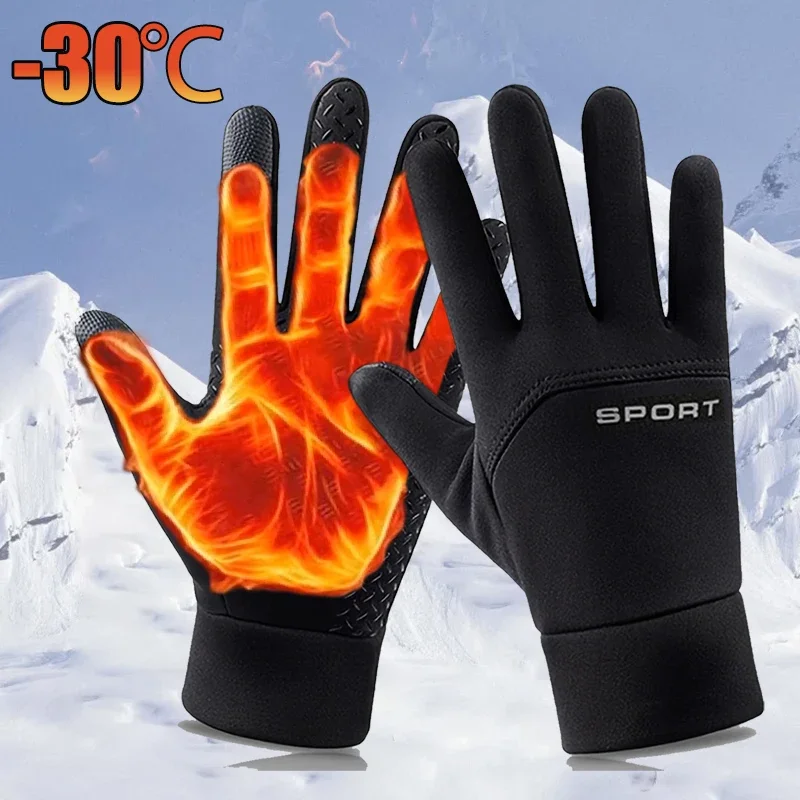
When winter arrives, keeping your hands warm and functional becomes a daily challenge — especially if you live in regions where temperatures regularly drop below freezing. Cold hands are not just uncomfortable; they can be dangerous. Reduced dexterity in cold conditions increases the risk of accidents, and prolonged exposure can lead to frostbite in extreme cases. Yet finding gloves that are simultaneously warm, comfortable, and touchscreen-compatible has historically meant choosing between budget models that fall apart after one season and premium technical gloves that cost USD 80-150. The Winter Warm Touchscreen Gloves featured in this guide bridge that gap with a simple but effective three-layer construction and conductive touchscreen fingertips, all at a price point that makes owning multiple pairs for different activities entirely practical. This comprehensive guide covers everything from glove material science to sizing and care, helping you choose the perfect cold-weather gloves for your specific lifestyle and climate.
Understanding Winter Glove Technology: Materials and Construction
Not all winter gloves are created equal. The science of keeping hands warm while maintaining dexterity involves balancing three factors: insulation (trapping body heat), moisture management (preventing sweat buildup which accelerates cooling), and wind/water protection (blocking external cold and precipitation). The best winter gloves layer these functions using different materials for each role.
Outer shell materials: The outer layer must resist wind, water, and abrasion while allowing some breathability. The Winter Warm Touchscreen Gloves use a polyester-spandex outer shell with a DWR-like water-resistant treatment. Polyester is abrasion-resistant and dries quickly, while spandex provides stretch for a snug fit without restricting movement. For extreme conditions, leather and synthetic leather (PU) outer shells offer superior abrasion and wind resistance. Nylon shells are lighter and pack down smaller for travel. Gore-Tex and similar waterproof breathable membranes are worth the premium if you regularly work or play in wet winter conditions.
Insulation layers: The middle layer in these gloves is microfleece — a synthetic pile fabric that traps air in its fibers, creating a thermal barrier. Fleece is lightweight, quick-drying, and retains some insulating properties even when damp (unlike down or cotton). For extreme cold (below -20°C / -4°F), look for gloves with PrimaLoft, Thinsulate, or similar high-loft synthetic insulation. Down-insulated gloves offer the best warmth-to-weight ratio but lose all insulating properties when wet and take forever to dry. For most winter commuters and outdoor enthusiasts in temperate climates (0°C to -15°C / 32°F to 5°F), fleece insulation is adequate and comfortable.
Inner lining: The inner layer touches your skin and must feel comfortable while wicking moisture away. The Winter Warm Touchscreen Gloves use a soft microfiber inner lining. For extreme cold, a brushed fleece or silk-weight merino wool lining provides superior warmth at minimal thickness. Avoid cotton-lined gloves — cotton absorbs moisture and holds it against your skin, accelerating heat loss through evaporative cooling.
Touchscreen compatibility: The conductive thread woven into the thumb and index fingertips uses silver-plated nylon fibers. Silver is the most conductive common metal, ensuring reliable touchscreen response. The conductive fibers must run from the fingertip surface to your skin contact point — if only the outer fabric is coated, the connection will be intermittent. Genuine woven conductive fibers (as in these gloves) provide consistent, reliable touch response that lasts the lifetime of the gloves.

Smart AI Translation Bluetooth Earphones With LCD Display Noise Reduce New Wireless Digital Long Battery Life Display Headphone

Ai Translator Earbud Device Real Time 2-Way Translations Supporting 150+ Languages For Travelling Learning Shopping Business

TV98 ATV X9 Smart TV Stick Android14 Allwinner H313 OTA 8GB 128GB Support 8K 4K Media Player 4G 5G Wifi6 HDR10 Voice Remote iptv
Winter Warm Touchscreen Gloves: Detailed Specifications and Performance
The Winter Warm Touchscreen Gloves (SGD 1.30, 79% off from SGD 6.20) deliver impressive performance for their price point. With over 50,000 units sold on AliExpress and a 4.6/5 star average from thousands of reviews, they have established themselves as the go-to budget winter glove for price-conscious shoppers worldwide.
Temperature rating: Comfortable from -10°C to 15°C (14°F to 59°F). This covers the typical winter range for most temperate climate regions. Below -10°C, you will need to layer with glove liners or upgrade to heavier mittens. The gloves perform best for active use (walking, running, cycling, shoveling) at temperatures down to -5°C, where body heat combines with insulation for optimal warmth. For stationary use (waiting for transit, photography) in sub-freezing temperatures, chemical or rechargeable hand warmers in the pockets provide a warm boost.
Fit and sizing: Available in sizes S through XXL. The stretch fabric provides a snug, close fit that follows hand contours without bunching at the fingertips — critical for dexterity tasks like operating phone screens, camera controls, and zippers. The elastic wrist closure seals out drafts and keeps the gloves in place. For the most accurate fit, measure your hand circumference at the widest point (around the knuckles, excluding the thumb) and match to the seller’s size chart.
Durability and construction: Double-stitched seams at stress points (thumb crotch, finger tips) resist splitting during normal use. The anti-slip silicone palm print provides grip on smooth surfaces (phone screens, steering wheels, door handles). After 50+ wears and wash cycles according to reviewer feedback, the conductive touchscreen material remains functional, and the fleece lining retains its loft. The gloves are machine washable on gentle cycle (cold water, mild detergent, air dry — never machine dry). Expected lifespan is 1-3 winter seasons depending on frequency of use and care quality.Choosing the Right Winter Gloves: A Buyer’s Guide by Activity
Different winter activities demand different glove characteristics. A single pair of gloves cannot optimize for warmth, dexterity, grip, and waterproofing simultaneously — you need to prioritize based on how you spend your winter time:
Daily commuting (walking, cycling, public transit): Prioritize touchscreen compatibility, wind resistance, and insulating warmth for intermittent cold exposure. The Winter Warm Touchscreen Gloves are ideal for this use case — thin enough for dexterity (tickets, phone, keys) but warm enough for 15-30 minute commutes. Consider a pair of liner gloves (silk-weight merino wool or polypropylene) for extra warmth on the coldest days without sacrificing dexterity.
Winter sports (skiing, snowboarding, snowshoeing): You need waterproofing (or at least water resistance), thermal insulation, and wrist leashes to prevent losing a glove on the chairlift. Ski gloves and mittens typically have gauntlet-style cuffs that go over jacket sleeves, preventing snow entry. Look for gloves with at least 100g of synthetic insulation, a waterproof membrane, and reinforced palm patches. Mittens are significantly warmer than gloves for the same insulation level and are strongly recommended for downhill skiing below -15°C.
Outdoor work and manual labor: Prioritize abrasion resistance, grip, and impact protection. Leather or synthetic leather palms with reinforced stitching and padded knuckles are essential for construction, landscaping, and maintenance work. Thermal insulated work gloves like Carhartt, Ironclad, and DeWalt dominate this category. For precise manual work (mechanics, assembly), thin thermal liners (polyester or merino wool) under standard work gloves provide warmth without losing fine motor control.
Running and winter fitness: Lightweight, breathable gloves with moisture-wicking liners and reflective elements for low-light visibility. The touchscreen compatibility is essential for music control, fitness app tracking, and emergency phone access without stopping to remove gloves. Thin windproof gloves (like these Winter Warm models) work well for running in temperatures down to -5°C. Below that, look for running-specific insulated gloves with windblock technology.
Photography and mobile work: Maximum dexterity with reliable touchscreen fingertips, plus fold-back finger caps for fine manipulation of buttons and dials that are too small for gloves. Some specialty photography gloves have magnetic fold-back fingertips that flip open and click into place. For most hobbyist photography, the Winter Warm Touchscreen Gloves offer sufficient dexterity for camera controls and phone operation.
Glove Care and Maintenance: Making Your Winter Gear Last
Proper care dramatically extends the lifespan of winter gloves. Here is a maintenance schedule based on professional outdoor gear recommendations:
After each use: Shake out any snow, dirt, or debris. Turn gloves inside out to air dry completely before the next wear — moisture trapped in the lining promotes bacterial growth and odor. Store in a well-ventilated area, not sealed in a bag or pocket. If the gloves have removable liners, remove and air them separately.
Weekly (heavy use) or monthly (light use): Machine wash on gentle cycle with cold water (max 30°C / 86°F). Use a mild detergent — avoid fabric softeners, bleach, and stain removers that degrade the conductive touchscreen fibers and damage the fleece lining. Turn gloves inside out before washing to protect the outer fabric. Place in a mesh laundry bag to prevent snagging on other items. Never machine dry — heat destroys the elastic fibers and can melt synthetic linings. Air dry flat at room temperature for 24-48 hours.
End of season: Wash thoroughly, allow to dry completely, and store in a breathable container (cotton bag or cardboard box) with silica gel packets to absorb moisture. Do not store in plastic bags — trapped moisture promotes mold and mildew growth. Reapply DWR waterproofing treatment (Nikwax or Grangers) if the outer shell has lost its water beading capability. Check for any damage (ripped seams, worn fingertips, loose elastic) that needs repair before next season.
Common damage and repair: Frayed seams can be reinforced with fabric glue or hand stitching. Small holes or tears in the outer shell can be patched with Tenacious Tape (Noso Patch or Gear Aid) — available for under USD 10. Worn touchscreen fingertips are the most common end-of-life failure — once the conductive fibers break from abrasion, touchscreen function is lost permanently and cannot be repaired. At the gloves’ price point, replacement is more practical than repair for major damage.
Winter Hand Protection: Beyond Gloves
Keeping your hands warm and functional in winter involves more than just the right gloves. A complete hand protection system includes these complementary elements:
Glove liners: Ultra-thin thermal liners worn under heavier gloves or mittens add 5-10°C of effective warmth without sacrificing dexterity. Merino wool liners (USD 10-25) are the best choice — they are warm when wet, naturally antimicrobial (less odor), and comfortable against skin. Silk liners are thinner and smoother for the highest dexterity but offer less insulation. Polypropylene liners are cheapest and wick moisture well but can feel clammy.
Hand warmers: Disposable chemical hand warmers (iron powder + activated carbon + salt) activate when exposed to air and provide 6-10 hours of 40-50°C heat. Cost: approximately USD 0.10-0.30 per warmer. Rechargeable electric hand warmers (USD 8-20 on AliExpress) double as power banks for charging smartphones — a very practical combo for winter hikes and commutes. Look for models with dual-sided heating and at least 5000mAh capacity for 4-8 hours of warmth.
Hand and nail care: Cold, dry winter air strips natural oils from skin, causing cracked, painful hands. Use a thick moisturizing hand cream (shea butter, lanolin, or glycerin-based) after every glove use. Wear thin cotton gloves over moisturized hands overnight for intensive repair. Keep cuticles moisturized to prevent painful cracking. Consider a humidifier in your bedroom during winter to maintain indoor humidity above 40% — this benefits both skin and respiratory health.
Q: Can I wash touchscreen gloves without ruining the conductive fingertips?
Yes, but use cold water (max 30°C) and mild detergent — no fabric softener, bleach, or stain removers. Turn gloves inside out, machine wash on gentle cycle, and air dry flat. The conductive silver-plated yarn is durable through multiple wash cycles when properly cared for. Harsh chemicals and high heat are what damage the conductive fibers.
Q: How do I know if my gloves fit properly?
Correctly fitted winter gloves should have: fingertips touching the glove tips (no more than 3mm of extra space), snug but not tight across the palm, no bunching at the finger crotches, and enough room to make a fist without resistance. Measure your hand circumference at the widest point (around the knuckles, excluding thumb) and compare to the seller’s size chart. If between sizes, size up for cold weather — slightly loose gloves allow a thin liner underneath and have better air insulation.
Q: Are these gloves suitable for extreme cold below -20°C?
No. These gloves are rated for -10°C to 15°C. For temperatures below -20°C (-4°F), you need heavily insulated mittens (preferably with down or high-loft synthetic insulation), a waterproof outer shell, and chemical or electric hand warmers. In extreme cold conditions, exposed skin can develop frostbite in under 30 minutes, so hand protection is a safety issue, not just a comfort issue.
Q: How long do budget winter gloves typically last?
With proper care, the Winter Warm Touchscreen Gloves last 1-3 winter seasons depending on frequency of use. The most common failure points are: touchscreen conductivity loss (from abrasion on the conductive fibers), seam splitting at the thumb crotch (from the stress of gripping), and elastic wrist band degradation (from repeated washing and drying). At SGD 1.30 per pair, buying 2-3 pairs to rotate during the winter is a practical approach that extends the usable life of each pair.
Q: Can I use these gloves for cycling in winter?
Yes, for temperatures down to approximately -5°C (23°F). The wind-resistant outer shell blocks winter wind chill, and the anti-slip silicone palm print provides grip on handlebars and brake levers. The touchscreen fingertips allow GPS navigation and phone access without removing gloves. For temperatures below -5°C or longer rides (over 30 minutes), consider dedicated cycling gloves with longer cuffs and reinforced palm protection.
Expand your cold weather product knowledge with these guides:
- How to Find Reliable Suppliers for Your Small Business — Source winter gloves and apparel from verified manufacturers.
- A Small Items Sourcing Plan That Delivers Profit — Find profitable seasonal products for your ecommerce store.
- The Importer’s Cost Calculation Workbook — Calculate accurate costs for importing apparel and textiles.




