



TV98 ATV X9 Smart TV Stick Android14 Allwinner H313 OTA 8GB 128GB Support 8K 4K Media Player 4G 5G Wifi6 HDR10 Voice Remote iptv
Advanced Connectivity:Seamless streaming with dual-band WiFi 5GHz support and Bluetooth 5.0, ensuring a stable and fast connection for your media.
Buy Now

Ai Translator Earbud Device Real Time 2-Way Translations Supporting 150+ Languages For Travelling Learning Shopping Business
Experience seamless communication with our AI Translator Earbud, capable of real-time 2-way translations in over 150 languages, perfect for global travel and business.
Buy Now

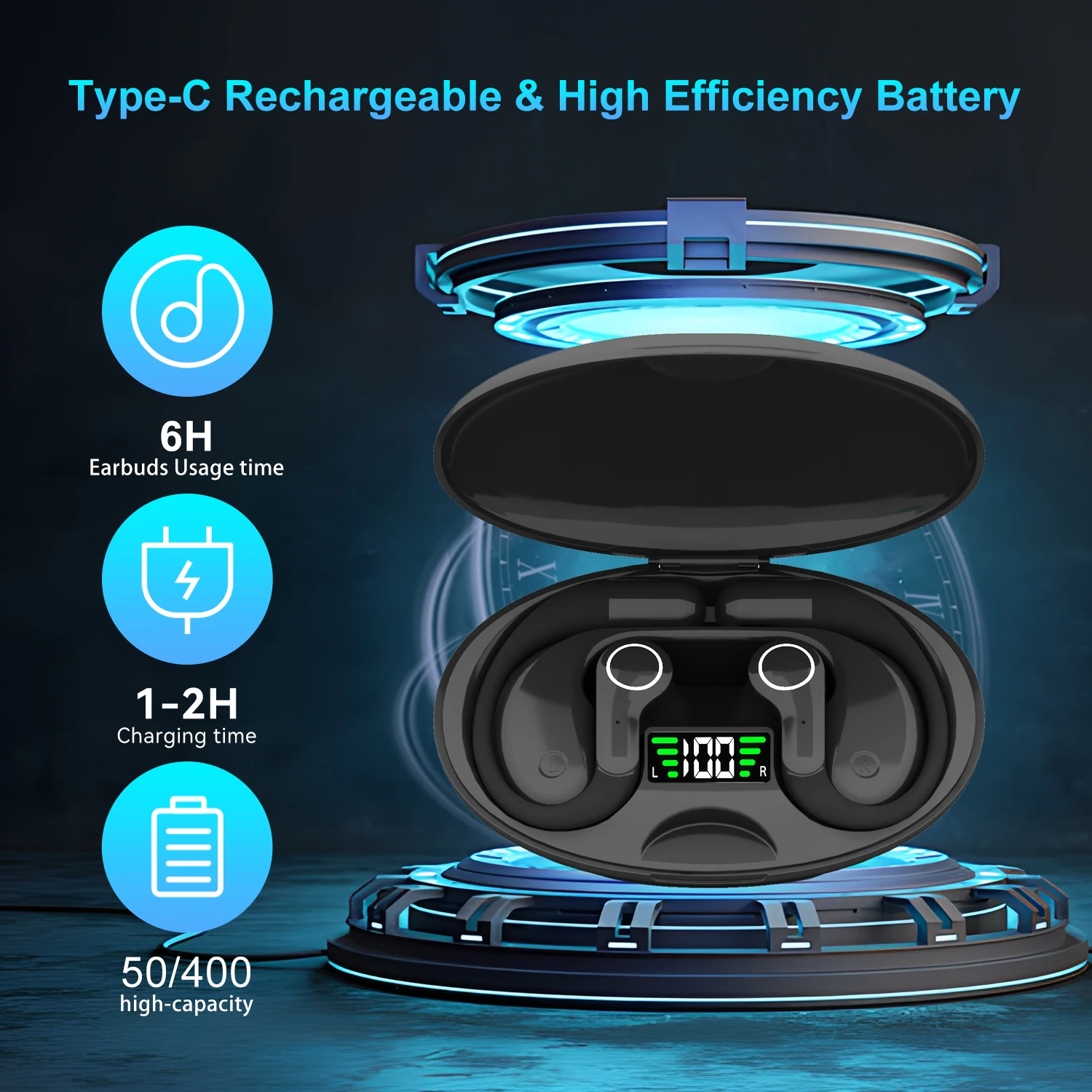
Smart AI Translation Bluetooth Earphones With LCD Display Noise Reduce New Wireless Digital Long Battery Life Display Headphone
Motherboard solution: ChinaCache 5636E-ANC+ENC. Talk time: 7-8 hours. Earphone battery: 40 mAh.
Buy Now
Why Chinese Suppliers Build Negotiation Room Into Every Quote (And How Importers Leave Money on the Table)
If you’ve ever received a first quote from a supplier on Alibaba or 1688 and thought “that seems fair,” you’ve almost certainly overpaid. Here’s why. Chinese manufacturers, particularly those serving export markets, operate on a pricing model that bakes in a 15–40% margin above their actual cost of goods sold (COGS). This isn’t greed — it’s standard practice. Suppliers expect negotiation as part of the transaction. A first quote is an invitation to a conversation, not a final offer. Research from the China Sourcing Association (2024) shows that 73% of Chinese suppliers expect price negotiation on initial inquiries, and 61% are willing to drop prices by at least 10–15% without any changes to order terms. Yet only about 35% of first-time Western buyers ever counter a quote. That gap — between what suppliers will accept and what buyers ask for — is where your money is. The typical cost breakdown for a Chinese manufactured product looks something like this:- Raw materials + labor: 45–55% of quoted price
- Factory overhead + profit margin: 20–30%
- Trading company commission: 5–15% (if applicable)
- Negotiation buffer: 10–20%
Tactic #1: The Competitive Quote Lever — How to Use Multiple Bids Without Burning Bridges
The single most effective negotiation tactic is also the simplest: have a better offer in your back pocket. But the way you use it matters enormously. Veteran importers know that getting 3–5 quotes per product isn’t just about finding the lowest price — it’s about building a leverage map. When Supplier A quotes $4.20/unit and Supplier B quotes $3.80/unit for the same spec, you don’t need to lie. You say: “We’re strongly considering a partner for this product line. Your competitor has come in at $3.80 for the same MOQ. Can you help us understand the difference, or is there room to match?” Notice what this does: it frames the conversation around understanding, not demanding. You’re not threatening — you’re inviting them to compete on value. A 2023 study by the Global Trade Research Initiative found that importers who shared competitive quotes (with supplier names redacted) received an average price improvement of 18.2% compared to those who negotiated without reference pricing. The key was transparency — suppliers who felt they were being compared fairly were 2.3x more likely to offer a real discount rather than a token 2–3% reduction. The rule: get 3 quotes minimum, get 5 for high-volume items, and always redact supplier names before sharing screenshots. Respect the relationship even as you negotiate.Tactic #2: The Volume Consistency Angle — Why It Beats Order Size Every Time
New importers often make the mistake of thinking that one massive order gets the best price. It doesn’t. Suppliers care more about consistent repeat volume than about any single order size. Think about it from the factory perspective: a one-time 10,000-unit order is great this month, but what about next month? A buyer who orders 2,000 units every 6 weeks gives the factory predictable production scheduling, stable labor allocation, and reliable cash flow. That predictability has real dollar value. A 2024 analysis from the Shenzhen Chamber of Commerce found that importers who committed to regular orders (monthly or bi-monthly) received 12–18% better pricing than one-time bulk buyers, even when the annual total volume was similar. Here’s how to use this in negotiation: “Our forecast shows 24,000 units annually. If we start with a 4,000-unit trial and commit to quarterly reorders at consistent volume, can we lock in pricing at $3.10 rather than the quoted $3.60?” By framing your order as the beginning of a relationship rather than a transaction, you’re offering something the supplier values: predictability. That’s worth 10–15% off the unit price without any other concessions.Tactic #3: The Timing Play — Negotiate in the Off-Season for Automatic Discounts
Chinese manufacturing has pronounced seasonality. The two months before Chinese New Year (January–February) are a mad rush. May–June is typically the slowest period for most factories. July–August sees a summer lull in many sectors. If you time your negotiations strategically, you can capture pricing that’s simply unavailable during peak months. Here are the numbers:- Peak season (Oct–Dec): Suppliers are at 90–100% capacity. Discount negotiation success rate: ~22%
- Shoulder season (Mar–Apr, Aug–Sep): Capacity at 60–80%. Success rate: ~48%
- Off-season (May–Jul): Capacity at 40–60%. Success rate: ~67%
Tactic #4: Payment Terms as a Hidden Negotiation Lever
Here’s a negotiation angle that 80% of small importers never use: payment terms. Standard practice for new buyers is 30% deposit, 70% before shipment (T/T terms). But if you can improve your terms — or offer better ones to the supplier — there’s real money in it. On the supplier side, cash flow is oxygen. A buyer who offers 50% deposit instead of 30% is providing working capital that the supplier doesn’t have to borrow. Similarly, a buyer who agrees to pay in full before production (rather than before shipment) eliminates the supplier’s financing gap entirely. The trade-off? Negotiate 3–7% off the unit price in exchange for better payment terms. Here’s the math on a $25,000 order:- Standard terms (30/70): $3.50/unit, $7,500 deposit + $17,500 balance
- Improved terms (50/50 with 5% discount): $3.325/unit, $12,500 deposit + $12,500 balance
- Savings: $875 per order, or $3,500 over four orders
Tactic #5: The Long-Term Partnership Framework — Locking in Prices Across Multiple Orders
The most profitable importers don’t negotiate once and forget about it. They build a pricing framework that protects them across time. Here’s the concept: instead of negotiating each purchase order individually, propose a 12-month pricing agreement with built-in adjustment triggers. Example framework:- Base price: $3.00/unit for the first 6 months
- Volume tier: $2.85/unit if cumulative orders exceed 20,000 units
- Currency adjustment: +/– 2% if USD/CNY moves more than 5%
- Raw material clause: Price renegotiation allowed if key material costs change by more than 15%
- Quarterly review: Both parties can request a pricing conversation every 90 days
Frequently Asked Questions
How much can a small importer realistically negotiate off a first quote?
Most suppliers have 10–30% margin built into their initial quotes. A reasonable target for a small importer (under $50K annual spend with a single supplier) is 10–15% off the first quote. Higher discounts require volume commitments, better payment terms, or off-season timing.Is it rude to negotiate with Chinese suppliers?
No — negotiation is expected. Chinese business culture treats the first quote as an opening position, not a final offer. What matters is being respectful, transparent, and relationship-focused. Avoid ultimatums, and frame requests around partnership rather than demands.What if a supplier refuses to negotiate at all?
Some suppliers genuinely have thin margins on certain products, especially commodities. If a supplier won’t budge after two polite attempts, either their price is genuinely firm, or they don’t prioritize your business. Get more quotes from competitors before deciding.Should I negotiate price or shipping first?
Always negotiate price first, then shipping. Shipping costs are more volatile and harder to lock down. Negotiate the unit price to a firm number, then discuss shipping options (sea vs. air, FOB vs. CIF) as a separate conversation.Can I negotiate with 1688 suppliers (domestic prices) or only Alibaba suppliers?
Yes — and the discounts can be larger. 1688 prices are already lower than Alibaba export prices by 20–50%, but negotiation room still exists, especially for repeat buyers. The key difference is that 1688 suppliers often expect faster decisions and smaller negotiation windows.Related Articles
- How to Find Reliable Suppliers for Your Small Business in Under Two Weeks
- The Importer’s Cost Calculation Workbook: 7 Hidden Traps That Inflate Your Landed Cost by 30%
- From Random Products to Reliable Sales: A Small Items Sourcing Plan That Delivers Profit