








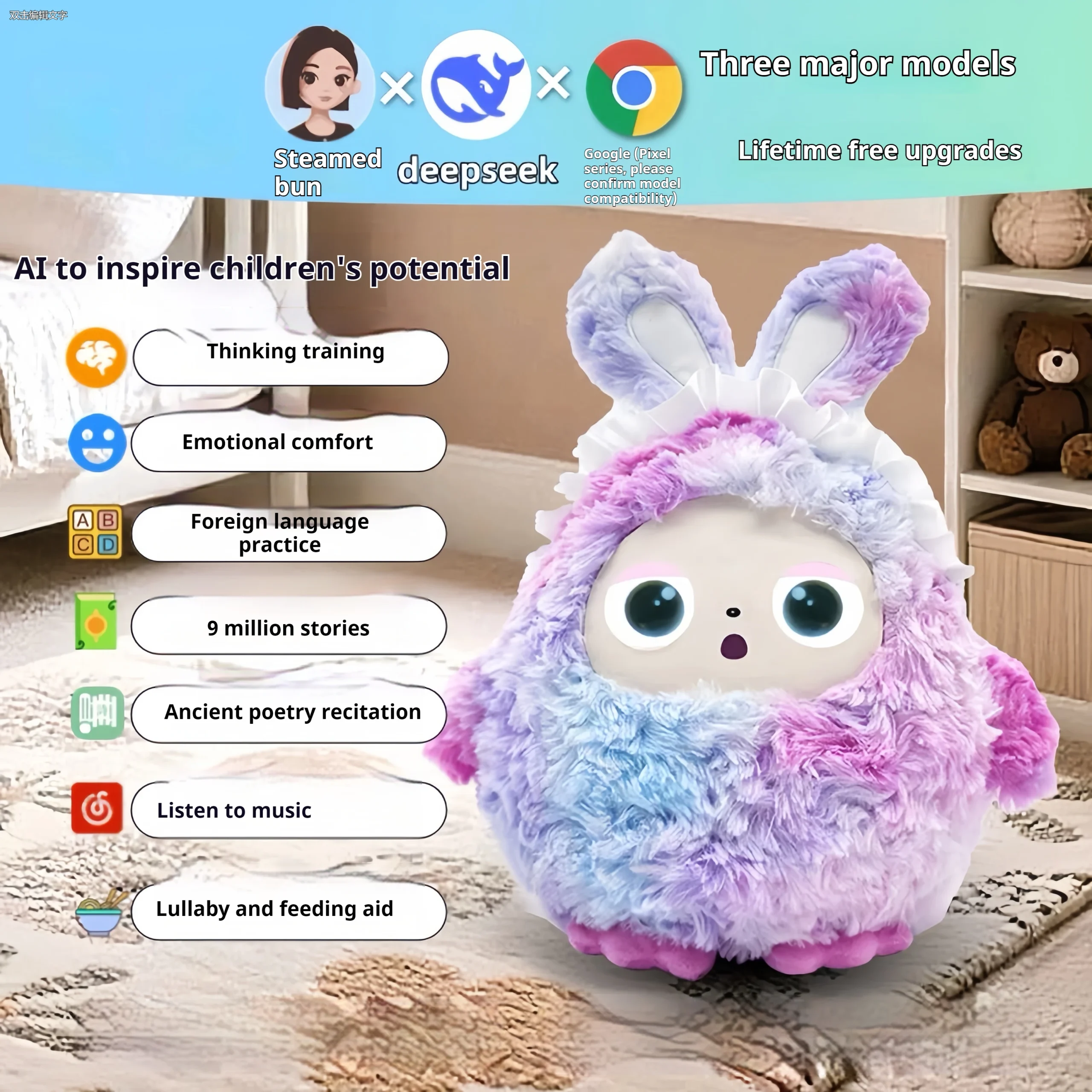
Why AI Pet Tech Is the Dark Horse Category of 2026
The global pet tech market is projected to reach $35 billion by 2027, and a significant portion of that growth comes from AI-powered pet toys and companion robots. In 2026, pet owners are no longer satisfied withordinary plush toys — they want interactive, intelligent companions that engage, entertain, and even communicate with their pets.
For cross-border ecommerce entrepreneurs, this niche offers exceptional opportunities: high emotional value (meaning customers are willing to pay premium prices), strong social media appeal (AI pet toys are inherently shareable), and relatively low competition compared to saturated categories like apparel or phone accessories.
The Rise of AI Companion Technology
What makes AI pet toys different from traditional pet products? The answer is interactivity. Modern AI pet toys feature:

TV98 ATV X9 Smart TV Stick Android14 Allwinner H313 OTA 8GB 128GB Support 8K 4K Media Player 4G 5G Wifi6 HDR10 Voice Remote iptv

Ai Translator Earbud Device Real Time 2-Way Translations Supporting 150+ Languages For Travelling Learning Shopping Business

Smart AI Translation Bluetooth Earphones With LCD Display Noise Reduce New Wireless Digital Long Battery Life Display Headphone
- Voice recognition & response: Toys that listen, respond, and even mimic conversations with pets
- LED emotional expression: Eyes and faces that display emotions (happiness, curiosity, attention) to build genuine pet engagement
- Autonomous movement: Self-navigation, obstacle avoidance, and playful movement patterns that keep pets entertained for hours
- AI learning: Devices that learn pet behavior patterns and adapt their interactions over time
Top AI Pet Tech Products for Cross-Border Sellers
Why AI Pet Toys Convert So Well
Emotional Purchase Drivers
Pet owners spend an average of $1,200+ annually on their pets, and the emotional connection means they are far less price-sensitive than in other categories. A $30-50 AI toy that keeps their pet entertained while they are at work is an easy upsell.
Social Media Virality
AI pet toys are content gold. Videos of pets interacting with robot companions, talking plush toys, or AI chat devices consistently go viral on TikTok, Instagram Reels, and YouTube Shorts. Each viral video can drive thousands of targeted visitors to your store.
Low Return Rates
Unlike electronics with complex setup requirements, AI pet toys typically have simple plug-and-play operation. Return rates for pet tech are significantly lower than the electronics average, improving your bottom line.
Sourcing Guide for AI Pet Toys
- Supplier regions: Yiwu and Shenzhen are the primary manufacturing hubs for AI toys, with suppliers offering competitive pricing ($8-25 wholesale for quality units).
- Battery & safety compliance: Ensure all products meet EU (CE/EN71) and US (ASTM F963) toy safety standards. Lithium battery certification is also essential for air shipping.
- Content assets: Request video demos from suppliers before ordering — you will need authentic-looking product videos for your listings and social media content.
- Packaging: Premium packaging with English instructions significantly increases perceived value and conversion rates.
Marketing Strategies for AI Pet Tech
1. User-Generated Content Campaigns: Offer discounts or free products to pet influencers in exchange for honest reviews and video content. A single TikTok video from a pet account with 50K+ followers can generate 100+ sales in 48 hours.
2. Facebook & Instagram Pet Communities: Join pet owner groups and share helpful content (not just sales pitches). Build trust first, then introduce your products naturally.
3. Educational Content: Write blog posts and create videos about pet enrichment, separation anxiety solutions, and interactive play — positioning your AI toys as solutions to real pet owner problems.
Top Keywords for AI Pet Tech SEO
AI pet toys, smart pet toys, interactive robot pet, AI companion robot, robot dog 2026, talking plush toy, AI chat toy for pets, smart voice robot, pet enrichment toys, intelligent pet companion.
The Bottom Line
The AI pet tech niche is still in its early growth phase, with far less competition than mainstream pet supplies (food, beds, leashes). Early adopters who build strong content around these products — especially video content showcasing the AI interaction — can establish dominant market positions before larger sellers enter the space. With proper supplier relationships and targeted marketing, AI pet toys can become a profitable cornerstone of your cross-border ecommerce portfolio.
Frequently Asked Questions
Q: What import regulations apply to small e-commerce businesses?
Small importers must comply with customs declarations, tariff classifications, product safety standards, and labeling requirements in the destination country. The specific regulations depend on your product category and target market.
Q: How do tariff classifications affect my import costs?
Each product has a Harmonized System (HS) code that determines duty rates. Incorrect classification can lead to overpaying duties or penalty fees. Free trade agreements can reduce or eliminate tariffs on qualifying products.
Q: What product safety standards do I need to meet?
Requirements vary by country. The EU requires CE marking for electronics and toys. The US needs FCC certification for wireless devices and CPSC compliance for children's products. Always verify destination country requirements before importing.
Q: What labeling requirements apply to imported products?
Labeling laws typically require country of origin marking, manufacturer information, product ingredients/materials, safety warnings, and care instructions in the local language. Some countries require specific font sizes and permanent labels on products.
Q: How often do trade regulations change?
Import regulations can change multiple times per year due to trade agreements, tariff adjustments, and safety standard updates. Subscribe to customs authority newsletters and work with a customs broker to stay updated on regulation changes.
BEST SELLING

Control Teaser Interactive Toy 32G Cat Smart Companion Robot for Pets Baby Old Man 1080P HD Security WiFi Remote
Unusual Situation Warning. Automatically monitor abnormal situations and promptly push messages through the app.
Buy Now
Ortizan X8 Pro Bluetooth Speaker Portable with 40W Stereo Sound,Rich Bass,IPX7 Waterproof, 30H Playtime, Mixed Color Lights,3 EQ
Ortizan X8 Pro Bluetooth Speaker Portable with 40W Stereo Sound,Rich Bass,IPX7 Waterproof, 30H Playtime, Mixed Color Lights,3 EQ
Buy Now
Smart AI Translation Bluetooth Earphones With LCD Display Noise Reduce New Wireless Digital Long Battery Life Display Headphone
Motherboard solution: ChinaCache 5636E-ANC+ENC. Talk time: 7-8 hours. Earphone battery: 40 mAh.
Buy Now
Light Luxury Bathroom Shower Filter Showerhead Beauty High Pressure Shower Head Water Sav
Light Luxury Bathroom Shower Filter Showerhead Beauty High Pressure Shower Head Water Sav
Buy Now
Portable Refrigerator Compressor Fridge Freezer Mini Cooler for Outdoor Camping BBQ Picnic
15L 20L 30L 35L 40L 45L 50L 55L Portable Refrigerator Compressor Fridge Freezer Mini Cooler for Outdoor Camping BBQ Picnic
Buy Now
CarlinKit 5.0 Mini Ultra Wireless Adapter Wireless CarPlay Android Auto For OEM Car Plug and Play WiFi Bluetooth Auto Connection
CarlinKit 5.0 Mini Ultra Wireless Adapter Wireless CarPlay Android Auto For OEM Car Plug and Play WiFi Bluetooth Auto Connection
Buy Now