








Why Retro Gaming Is a Cross-Border Dark Horse Niche
The retro gaming market is experiencing an unprecedented renaissance. In 2026, nostalgia-driven gaming has evolved from a niche hobby into a multi-billion dollar industry, driven by Millennials and Gen Z consumers who crave authentic retro experiences — but with modern convenience. Handheld emulator consoles, retro TV game sticks, and wireless controllers that support thousands of classic titles are flying off virtual shelves.
For cross-border ecommerce sellers, retro gaming offers a unique trifecta: high emotional purchase intent (nostalgia is a powerful motivator), excellent margins (40-65%), and low return rates (under 5% in most categories). The products are small, lightweight, and ship economically — ideal for the cross-border business model.
The Numbers Behind the Nostalgia Boom
- Global retro gaming market: $15+ billion in 2026, growing at 18% CAGR
- Handheld emulator consoles: 250%+ search growth since 2023
- Average order value: $35-80 for console + accessories bundles
- Customer repeat rate: 40%+ buy additional games, controllers, or accessories within 6 months
Top Retro Gaming Products for Cross-Border Sellers
Three Retro Gaming Sub-Niches That Convert
1. Handheld Retro Game Consoles
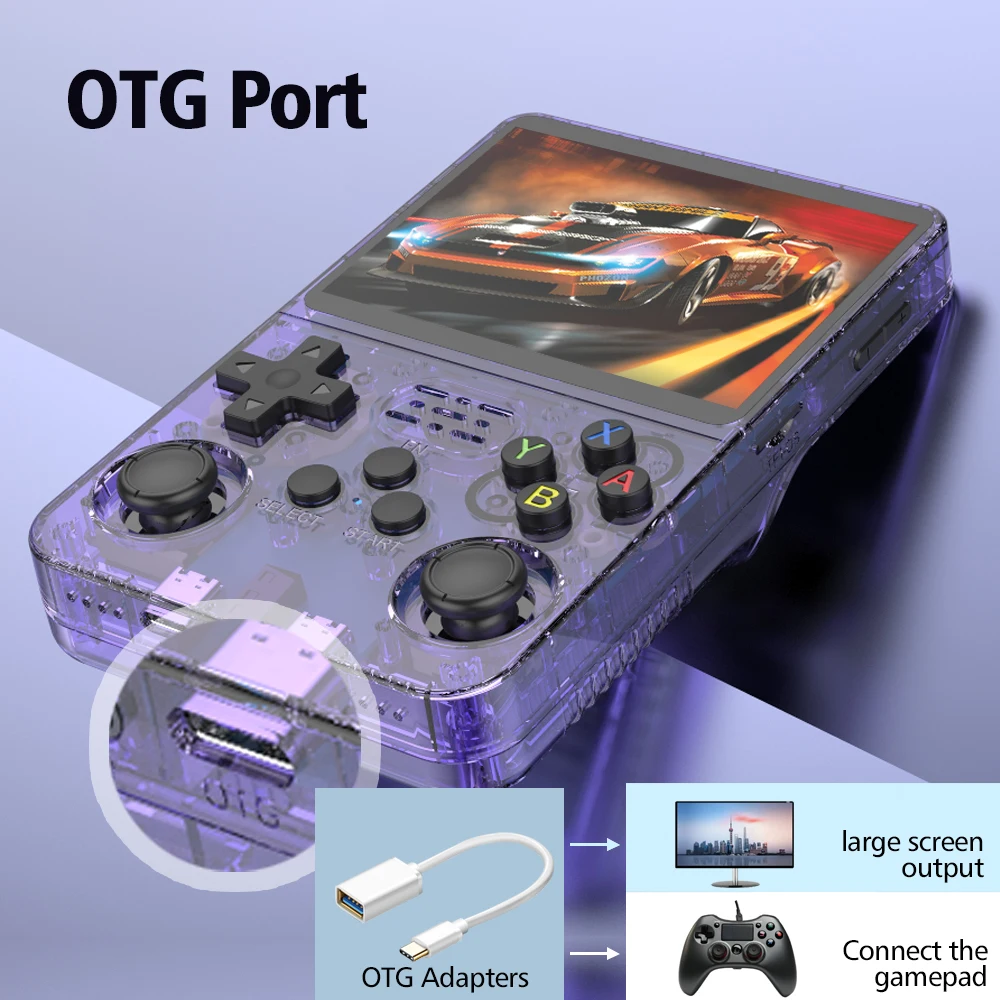
The handheld segment is the star of the retro gaming boom. Devices like the R36S with 128G pre-loaded game libraries, Linux-based OS, 3.5-inch IPS displays, and support for PSP, PS1, N64, GBA, and thousands of arcade titles are bestsellers across platforms. Key features that sell: pre-loaded games (no hassle), dual joystick design, TV-out capability, and 6-8 hour battery life. Price sweet spot: $25-50.

Smart AI Translation Bluetooth Earphones With LCD Display Noise Reduce New Wireless Digital Long Battery Life Display Headphone

Ai Translator Earbud Device Real Time 2-Way Translations Supporting 150+ Languages For Travelling Learning Shopping Business

TV98 ATV X9 Smart TV Stick Android14 Allwinner H313 OTA 8GB 128GB Support 8K 4K Media Player 4G 5G Wifi6 HDR10 Voice Remote iptv
2. Wireless Retro Game Controllers
Hall-effect sensing joystick controllers with Turbo function, programmable buttons, and multi-platform compatibility (Switch, PC, Android, iOS) are seeing massive demand. Nintendo Switch controller clones with Hall Effect technology (no drift) at $10-25 are particularly hot. The “no drift” guarantee is a powerful conversion driver.
3. TV Game Consoles (Plug & Play)
HD retro TV game sticks with 20,000+ built-in games, 8K output, wireless 2.4G controllers, and support for PS1/Arcade/Sega/SNES emulation are the entry-level retro gaming product. These are perfect for the “impulse buy” price point ($15-30) and make excellent gifts.
Sourcing Guide for Retro Gaming Products
- Screen quality: IPS displays with at least 320×480 resolution are minimum requirements. OLED screens are premium upsells.
- Battery: 2000-3000mAh batteries (4-8 hours playtime) are expected. USB-C charging is mandatory in 2026.
- Game library size: “20,000+ games” is the magic number for marketing, but ensure quality over quantity — curated libraries with fewer but better titles are increasingly preferred by informed buyers.
- Controller quality: Use suppliers using Hall Effect sensors for analog sticks (prevents drift, extends lifespan).
SEO Keywords for Retro Gaming
retro gaming console 2026, handheld game console, retro handheld with pre-loaded games, R36S game console, wireless controller Switch, TV game stick 8K, retro gaming gifts, emulator console, retro arcade machine, nostalgia gaming 2026.
Marketing Strategy
YouTube reviews are gold. Retro gaming is one of the highest-performing niches on YouTube. Send free units to retro gaming channels with 10K-100K subscribers — the ROI on a single sponsored review can be 20-50x. Create “best budget retro handheld” and “top 5 retro consoles under $50” content for organic search traffic.
Community targeting: Subreddits like r/SBCGaming, r/RetroPie, r/Handhelds, and r/retrogaming are highly engaged and actively looking for product recommendations. Participate genuinely (not spammy) to build brand awareness.
The Bottom Line
Retro gaming is not just a trend — it is a generational shift in how consumers engage with gaming content. With low barriers to entry, excellent margins, and a passionate customer base, this is one of the most accessible and profitable dark horse niches for cross-border sellers in 2026.
Frequently Asked Questions
Q: What are the risks of non-compliance with import regulations?
Non-compliance can result in shipment seizures, customs fines (10-50% of goods value), delayed deliveries, legal penalties, and reputational damage. In severe cases, repeat violations can lead to import bans and criminal charges.
Q: How do tariff classifications affect my import costs?
Each product has a Harmonized System (HS) code that determines duty rates. Incorrect classification can lead to overpaying duties or penalty fees. Free trade agreements can reduce or eliminate tariffs on qualifying products.
Q: How do I handle restricted or prohibited products?
Check your country's prohibited and restricted import list before sourcing. Common restricted items include counterfeit goods, endangered species products, certain chemicals, and regulated health supplements. Customs will seize non-compliant shipments without compensation.
Q: What labeling requirements apply to imported products?
Labeling laws typically require country of origin marking, manufacturer information, product ingredients/materials, safety warnings, and care instructions in the local language. Some countries require specific font sizes and permanent labels on products.
Q: How often do trade regulations change?
Import regulations can change multiple times per year due to trade agreements, tariff adjustments, and safety standard updates. Subscribe to customs authority newsletters and work with a customs broker to stay updated on regulation changes.
BEST SELLING
Ai Translator Earbud Device Real Time 2-Way Translations Supporting 150+ Languages For Travelling Learning Shopping Business
Experience seamless communication with our AI Translator Earbud, capable of real-time 2-way translations in over 150 languages, perfect for global…
Buy Now
Portable Refrigerator Compressor Fridge Freezer Mini Cooler for Outdoor Camping BBQ Picnic
15L 20L 30L 35L 40L 45L 50L 55L Portable Refrigerator Compressor Fridge Freezer Mini Cooler for Outdoor Camping BBQ Picnic
Buy Now
Velec Smart TV Stick Android 12 Allwinner H618 6k BT Voice Remote Control Portable Media Player for NETFLIX Youtube Google
Velec Smart TV Stick Android 12 Allwinner H618 6k BT Voice Remote Control Portable Media Player for NETFLIX Youtube Google
Buy Now
Magnetic Wireless Charger Mount Vacuum Suction Cup Car Phone Holder Stand For iPhone 17 16 15 14 13 12 Pro Max Fast Charging
Magnetic Wireless Charger Mount Vacuum Suction Cup Car Phone Holder Stand For iPhone 17 16 15 14 13 12 Pro…
Buy Now
Pet Surveillance Camera 360° Robot Camera WIFI Dual Lens Cameras Dual Screen Monitoring 1080P HD PTZ IP Security Surveillance
Dual-lens surveillance video: dual-lens design, two-way rotating monitoring, dual-screen viewing at the same time, home, store, yard door panoramic view,…
Buy Now
Smart AI Translation Bluetooth Earphones With LCD Display Noise Reduce New Wireless Digital Long Battery Life Display Headphone
Motherboard solution: ChinaCache 5636E-ANC+ENC. Talk time: 7-8 hours. Earphone battery: 40 mAh.
Buy Now