








Why Home Cinema Tech Is the Underserved Cross-Border Opportunity
Home entertainment has been permanently transformed by the post-pandemic shift to streaming and at-home viewing. In 2026, consumers are investing heavily in home cinema setups — not just expensive 4K TVs, but affordable, accessible upgrades like portable projectors, smart TV sticks, and high-fidelity audio streamers that transform any space into a premium entertainment hub.
This niche is a hidden goldmine for cross-border sellers because the products are compact, high-value, and technologically impressive at price points that make impulse buying easy. A $35 projector that turns a bedroom wall into a 120-inch screen is an easy sell compared to a $2,000 75-inch TV.
Market Snapshot
- Portable projector market: $5.8 billion by 2027, growing at 16% CAGR
- Streaming device market: $35 billion globally
- Smart TV stick penetration: 60%+ of households in US/EU use at least one
- HD audio streamer market: Growing at 22% CAGR among audiophiles
Top Home Cinema Products for Cross-Border Sellers
Three Hot Home Entertainment Categories
1. Portable Mini Projectors
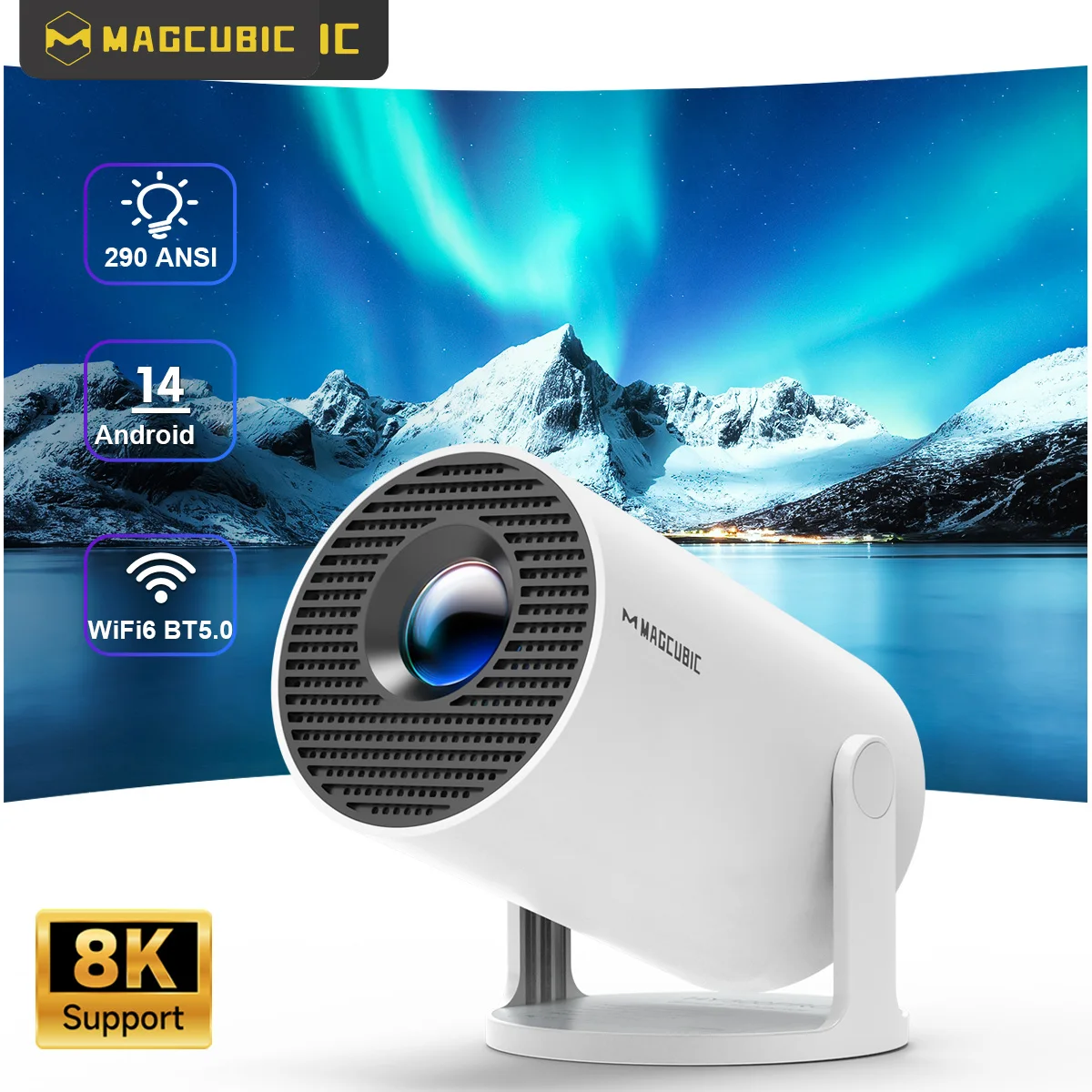
The mini projector segment has evolved dramatically. 2026 models like the Magcubic HY300 Pro deliver native 1080P (supporting 8K decoding), Android 14 OS with dual-band WiFi 6, auto keystone correction, 200+ ANSI lumens, and Bluetooth 5.0 — all in a device the size of a smartphone. Price points: $25-80. These products sell well for camping, backyard movie nights, gaming, and bedroom streaming.

Smart AI Translation Bluetooth Earphones With LCD Display Noise Reduce New Wireless Digital Long Battery Life Display Headphone

TV98 ATV X9 Smart TV Stick Android14 Allwinner H313 OTA 8GB 128GB Support 8K 4K Media Player 4G 5G Wifi6 HDR10 Voice Remote iptv

Ai Translator Earbud Device Real Time 2-Way Translations Supporting 150+ Languages For Travelling Learning Shopping Business
2. Android TV Sticks & Streaming Devices
Smart TV sticks running Android 12 or 14 with Allwinner H618 chips, 6K-8K video decoding, voice remote control, and 2GB+ RAM are the backbone of the home streaming market. Products that convert well feature: Netflix/YouTube certifiication, OTA firmware updates, dual-band WiFi, and BT 5.0. The Xiaomi TV Box S 3rd Gen is a benchmark competitor — sourcing comparable quality at 40-60% lower cost is the winning strategy.
3. HiFi & Digital Audio Streamers
For the premium segment, desktop audio streamers with MQA support, TIDAL/ROON compatibility, Bluetooth 5.0 APTX HD, and USB DAC connectivity are driving growth among audiophile buyers. These customers have high LTV and extremely low return rates (under 2%).
Sourcing & Compliance
- Projectors: Verify actual vs claimed lumens (200+ ANSI is the minimum for dark room viewing).
- TV sticks: Ensure HDCP compliance for streaming apps. Google Widevine L1 certification is valuable for Netflix HD playback.
- Audio: Bluetooth certification (QDID) is mandatory. MQA decoder licensing adds cost but opens the premium audiophile market.
SEO Keywords
mini projector 2026, portable projector 4K, Android TV stick 8K, smart TV stick Android 12, home cinema projector, streaming device, HiFi audio streamer, TV box Android 14, projector for home theater, budget projector under $50.
Marketing Tips
Before/after videos work magic. Show a blank wall transforming into a movie theater screen. Comparison content (“$50 Projector vs $500 TV”) drives massive engagement. Target search queries like “cheap home cinema setup” and “affordable streaming solution” with SEO-optimized content.
Verdict
The home cinema niche offers a broad product range from $15 budget projectors to $150 audio streamers, letting sellers test multiple price points and scale what works. With streaming consumption still growing globally, this niche has years of growth runway ahead.
Frequently Asked Questions
Q: Do I need an import license to start my import business?
Most small-scale e-commerce importers don't need a general import license. However, regulated products like electronics, food items, cosmetics, and children's products may require special permits or certifications. Check your country's customs authority website.
Q: What are the risks of non-compliance with import regulations?
Non-compliance can result in shipment seizures, customs fines (10-50% of goods value), delayed deliveries, legal penalties, and reputational damage. In severe cases, repeat violations can lead to import bans and criminal charges.
Q: How do I handle restricted or prohibited products?
Check your country's prohibited and restricted import list before sourcing. Common restricted items include counterfeit goods, endangered species products, certain chemicals, and regulated health supplements. Customs will seize non-compliant shipments without compensation.
Q: What labeling requirements apply to imported products?
Labeling laws typically require country of origin marking, manufacturer information, product ingredients/materials, safety warnings, and care instructions in the local language. Some countries require specific font sizes and permanent labels on products.
Q: How often do trade regulations change?
Import regulations can change multiple times per year due to trade agreements, tariff adjustments, and safety standard updates. Subscribe to customs authority newsletters and work with a customs broker to stay updated on regulation changes.
BEST SELLING

Cosmetic Case Makeup Bag Vanity Travel Beauty Box Make Up Train Case Hairdressing Tools Organiser with Adjustable Compartment
Cosmetic Case Makeup Bag Vanity Travel Beauty Box Make Up Train Case Hairdressing Tools Organiser with Adjustable Compartment
Buy Now
Smart AI Translation Bluetooth Earphones With LCD Display Noise Reduce New Wireless Digital Long Battery Life Display Headphone
Motherboard solution: ChinaCache 5636E-ANC+ENC. Talk time: 7-8 hours. Earphone battery: 40 mAh.
Buy Now
Portable Refrigerator Compressor Fridge Freezer Mini Cooler for Outdoor Camping BBQ Picnic
15L 20L 30L 35L 40L 45L 50L 55L Portable Refrigerator Compressor Fridge Freezer Mini Cooler for Outdoor Camping BBQ Picnic
Buy Now
Electric Cervical Massager Neck Stretcher Pulse Traction Heating Pain Relif Chiropractic Traction Head Acupoint Massage Pillow
Electric Cervical Massager Neck Stretcher Pulse Traction Heating Pain Relif Chiropractic Traction Head Acupoint Massage Pillow
Buy Now
CarlinKit 5.0 Mini Ultra Wireless Adapter Wireless CarPlay Android Auto For OEM Car Plug and Play WiFi Bluetooth Auto Connection
CarlinKit 5.0 Mini Ultra Wireless Adapter Wireless CarPlay Android Auto For OEM Car Plug and Play WiFi Bluetooth Auto Connection
Buy Now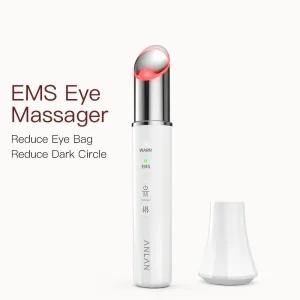
ANLAN EMS Eye Beauty Device Microcurrent Eye Massager Remove Eye Bags Dark Circles Red Blue Light Eye Lifting Massage Instrument
Intensive care for eyes & lips in 10min every day. EMS X Heat Compress & lontophoresis & LED Light Therapy…
Buy Now