








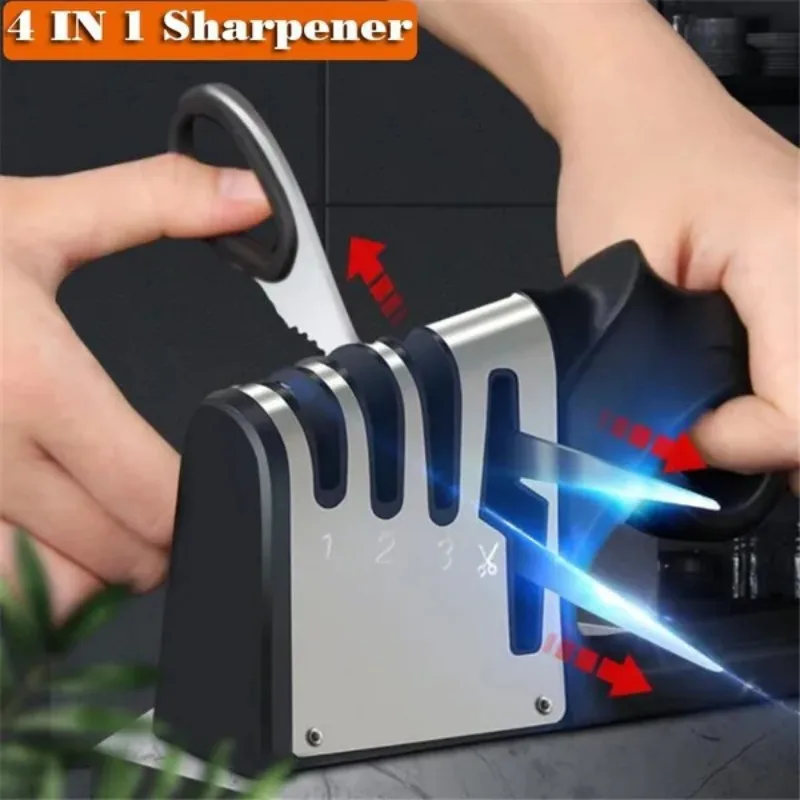
A sharp knife is the single most important tool in any kitchen. Yet most home cooks rely on dull blades that make cutting harder, slower, and more dangerous. A kitchen knife sharpener solves this problem instantly, restoring razor edges to your favorite blades in seconds. The Precision Edge Professional Kitchen Knife Sharpener uses a 3-stage system with tungsten, diamond, and ceramic abrasives — currently available at 54% OFF. This comprehensive guide covers everything you need to know about knife sharpening technology, how to choose the right sharpener, and whether kitchen tools make good import products.
Why a Sharp Knife Matters: Safety, Performance, and Kitchen Efficiency
A common kitchen misconception is that sharp knives are dangerous. In reality, the opposite is true. Dull knives require significantly more pressure to cut through food — up to 4-5 times more force than a sharp blade. This increased pressure reduces control, making the knife far more likely to slip and cause injury. According to the US National Safety Council, over 350,000 kitchen knife injuries occur annually in the United States alone, and a significant percentage involve dull blades.
Beyond safety, a sharp knife improves food quality. Clean cuts through vegetables and meat preserve cell structure, resulting in better texture and less moisture loss. A dull blade crushes rather than slices, releasing enzymes that cause browning and spoilage more quickly. Professional chefs unanimously agree: the single biggest upgrade you can make to your cooking is keeping your knives sharp.
The global knife sharpener market reflects this growing awareness. Valued at $680 million in 2023, it is projected to reach $980 million by 2030, driven by the rise of home cooking, culinary content on social media, and the increasing availability of affordable sharpening tools. For importers, kitchen sharpening products offer reliable demand, low shipping weight, and repeat purchase potential (sharpeners wear out and need replacement every 1-3 years).
Understanding the 3-Stage Sharpening System: Tungsten, Diamond, and Ceramic
The Precision Edge Professional Kitchen Knife Sharpener uses a 3-stage system that progressively refines the knife edge. Understanding each stage helps you appreciate the technology and use it correctly:
Stage 1: Tungsten Carbide Coarse Sharpening. The first slot uses tungsten carbide blades to reshape and restore the knife edge. Tungsten carbide is one of the hardest materials available — approximately 8.5-9 on the Mohs scale (diamond is 10). This stage is designed for extremely dull or damaged knives that need significant metal removal to re-establish a proper edge profile. It aggressively grinds away nicks, rolled edges, and blunt tips. Use this stage sparingly — only when your knife is truly dull. Overuse of the coarse stage removes more metal than necessary and shortens the knife's lifespan.
Stage 2: Diamond Abrasive Fine Sharpening. The second slot uses diamond-coated abrasive rods to refine the edge created in stage one. Diamond abrasives produce a sharp, even edge with a finer finish than tungsten carbide. This stage is suitable for regular maintenance sharpening — once every 2-4 weeks for a home cook who uses their knives daily. Diamond abrasives are extremely durable and maintain their cutting quality through hundreds of sharpening sessions.
Stage 3: Ceramic Rod Honing and Polishing. The third slot uses ceramic rods to hone and polish the edge to a razor finish. This is the finishing stage that removes any remaining burrs and aligns the microscopic edge. Ceramic honing produces the smoothest, sharpest edge — suitable for precision cutting tasks like slicing tomatoes, sashimi, or paper-thin vegetable cuts. This stage can also be used as a quick touch-up between full sharpenings, just like a honing steel.

Ai Translator Earbud Device Real Time 2-Way Translations Supporting 150+ Languages For Travelling Learning Shopping Business

Smart AI Translation Bluetooth Earphones With LCD Display Noise Reduce New Wireless Digital Long Battery Life Display Headphone

TV98 ATV X9 Smart TV Stick Android14 Allwinner H313 OTA 8GB 128GB Support 8K 4K Media Player 4G 5G Wifi6 HDR10 Voice Remote iptv
Manual vs Electric Knife Sharpeners: Pros and Cons
When choosing a kitchen knife sharpener, one of the first decisions is whether to go manual (pull-through or whetstone) or electric. Here is how they compare:
Manual Pull-Through Sharpeners (Featured Type). The Precision Edge is a manual pull-through sharpener. Advantages: compact and portable, no power source needed, affordable ($10-30), easy to use with clear guides, and gentle on knife blades (you control the pressure and number of passes). Disadvantages: fixed sharpening angles (typically 15° or 20°), not suitable for serrated or specialty blades, and slower than electric for processing many knives at once.
Electric Sharpeners. Electric models use motorized abrasive wheels to sharpen knives quickly. Advantages: fast (30-60 seconds per knife), consistent angle control, capability for both standard and serrated blades. Disadvantages: expensive ($40-150+), bulky, require power outlet, generate heat that can damage blade temper if used incorrectly, and more aggressive metal removal reduces knife lifespan.
Whetstones. Traditional water stones offer the most control and the sharpest possible edges. Advantages: custom angles, no metal wastage, produces the finest edges, relaxing and meditative process. Disadvantages: steep learning curve, messy (requires water soak), slow, and requires skill to maintain consistent angle.
Best for Most Home Cooks: A 3-stage manual pull-through sharpener like the Precision Edge offers the best balance of sharpening quality, ease of use, and affordability. It produces professional-grade sharpness without the learning curve of a whetstone or the expense of an electric sharpener.
Knife Sharpening Angles: What the Numbers Mean
One specification you will encounter when shopping for knife sharpeners is the sharpening angle, measured in degrees. Understanding this helps you choose the right sharpener for your knife collection:





