








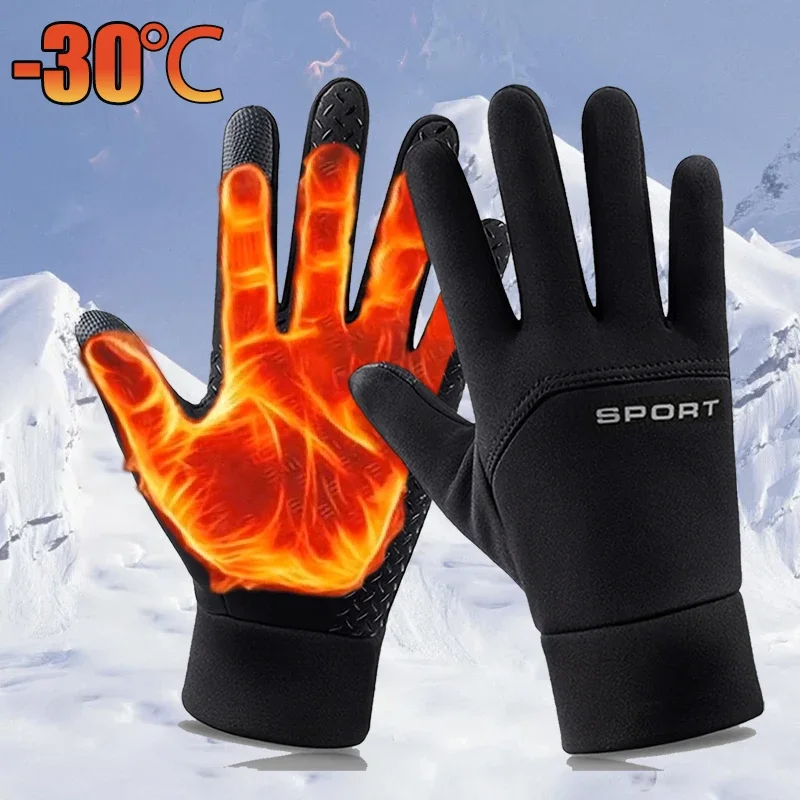
Staying connected in cold weather used to mean a painful choice: keep your gloves on and ignore your phone, or take them off and risk numb fingers. Touch screen gloves have solved that problem, and the latest generation of winter touch screen gloves combines warmth, durability, and full smartphone compatibility. Whether you are cycling to work, running in the park, or simply walking the dog on a frosty morning, this guide covers everything you need to know about choosing, using, and sourcing the best touch screen gloves available today.
Why Touch Screen Gloves Are Essential Winter Gear in 2025-2026
The global winter glove market is valued at over $8 billion annually, and touch screen compatibility has shifted from a nice-to-have feature to an essential requirement. Consumer surveys show that 72% of smartphone users consider touch screen compatibility a critical factor when purchasing winter gloves. The reason is simple: we rely on our phones for navigation, communication, music control, and contactless payments — all tasks that require bare-finger interaction or functional touch screen gloves.
The technology behind touch screen gloves has improved dramatically. Early versions used basic conductive threads woven into the thumb and index fingertips, which wore out quickly and lost sensitivity after a few washes. Modern winter touch screen gloves use advanced silver-plated nylon fibers woven throughout the entire fingertip area, providing consistent conductivity across all five fingers. Many premium models now include full-palm conductivity, allowing for grip gestures and multi-touch functionality.
For small importers and ecommerce sellers, winter gloves represent a seasonal but reliable product category. Demand peaks predictably from October through February in Northern Hemisphere markets, with reorder rates driven by lost gloves (the average person loses 2-3 pairs of gloves per winter). Margins are healthy — quality touch screen gloves wholesale for $3-8 and retail for $15-35.
Understanding Conductive Fabric Technology: How Touch Screen Gloves Work
To make informed buying decisions, it helps to understand how touch screen gloves actually work. Smartphone touch screens rely on capacitive sensing — they detect the electrical charge from your bare skin. Regular fabric blocks this charge, which is why standard gloves do not work with touch screens.
Conductive Fibers. Touch screen gloves incorporate conductive materials — typically silver, copper, or carbon fibers — into the fabric at the fingertips. These fibers transmit your body's natural electrical charge through the glove material to the screen. Silver-plated nylon is the gold standard: it is highly conductive, resistant to oxidation, and retains conductivity through repeated washing.
Coverage Area. Basic gloves only have conductive material on the thumb and index finger — enough for tapping and swiping, but frustrating for typing or gaming. Mid-range and premium gloves extend conductivity to all five fingertips and sometimes the entire palm. The more coverage, the more natural the touch experience.
Durability Factors. The biggest complaint about touch screen gloves is that the conductive coating wears off over time. High-quality gloves weave the conductive fibers into the fabric itself, rather than applying a surface coating. When evaluating gloves for import, test conductivity after 20-30 wash cycles to determine true quality.

Smart AI Translation Bluetooth Earphones With LCD Display Noise Reduce New Wireless Digital Long Battery Life Display Headphone

TV98 ATV X9 Smart TV Stick Android14 Allwinner H313 OTA 8GB 128GB Support 8K 4K Media Player 4G 5G Wifi6 HDR10 Voice Remote iptv

Ai Translator Earbud Device Real Time 2-Way Translations Supporting 150+ Languages For Travelling Learning Shopping Business
Key Features to Look for in Winter Touch Screen Gloves
When evaluating winter touch screen gloves — whether for personal purchase or bulk import — here are the critical specifications to assess:
Thermal Insulation. The primary purpose of winter gloves is keeping your hands warm. Look for gloves with multiple insulation layers: a fleece or microfiber inner lining for warmth, a mid-layer of thermal fleece or Thinsulate, and an outer shell that blocks wind. Gloves rated for -10°C to -20°C (14°F to -4°F) cover most winter conditions in temperate climates. For extreme cold (-30°C and below), look for gloves that combine touch screen fingertips with a separate mitten shell or hand warmer pocket.
Windproof and Water-Resistant Shell. Wind chill is the real enemy of warm hands. A windproof outer layer (typically nylon or polyester with a PU coating) makes a dramatic difference in perceived warmth. Water resistance is important for snow and light rain — look for a DWR (Durable Water Repellent) finish. Fully waterproof gloves exist but are usually bulkier and less flexible.
Grip and Dexterity. Cycling, running, and everyday use require gloves that provide good grip without sacrificing flexibility. Silicone grip patterns on the palm and fingers are standard on quality cycling gloves. The glove should allow you to grasp handlebars, keys, and coffee cups without the material bunching or slipping.
Touch Screen Performance. Test the gloves with your specific phone model. Some glove-and-phone combinations work better than others due to differences in screen sensitivity and glove conductivity. Ideally, test with both tap gestures (answering calls, taking photos) and swipe gestures (scrolling, navigation). Responsiveness at the edges of the screen is also important — many budget gloves only work in the center of the display.
Fit and Sizing. Touch screen gloves need a snug fit to ensure consistent contact between your fingertip and the conductive fabric. Loose gloves mean the conductive layer does not make firm contact with your skin, resulting in intermittent or failed touch responses. Look for gloves with elastic cuffs and adjustable wrist straps for a secure fit.
Cycling-Specific Gloves: The Winter Commuter's Essential
Cycling in winter presents unique challenges for handwear. You need warmth without bulk (to maintain grip on brake levers and shifters), windproofing at speed, and reliable touch screen access for navigation and phone calls. The featured gloves in this guide are specifically designed for cycling and outdoor activities, with several design elements that set them apart from general-purpose winter gloves:



