








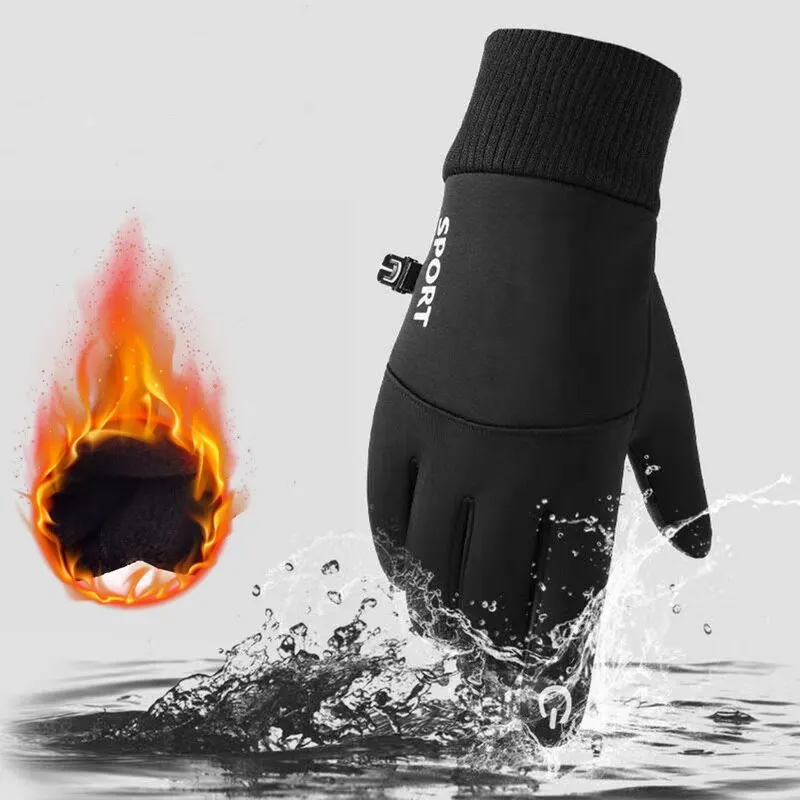
When winter temperatures drop and icy winds bite, few things ruin an outdoor adventure faster than cold, numb fingers. Whether you are commuting by bicycle, training for a marathon, hitting the ski slopes, or simply walking the dog on a frosty morning, a good pair of winter warm waterproof gloves can make the difference between an enjoyable outing and a miserable experience. But not all winter gloves are created equal. In this comprehensive guide, we will explore the key features to look for, the different types available, how to choose the right pair for your activity, and practical tips for getting the most out of your gloves. We will also look at the wholesale market for winter gloves, making this guide useful for both consumers and small importers looking to source this popular seasonal product.
Why Winter Warm Waterproof Gloves Are Essential for Cold-Weather Activities
The human body prioritizes core temperature over extremities when exposed to cold. Blood vessels in the fingers constrict to reduce heat loss, which is why hands get cold first. Without proper insulation, prolonged exposure can lead to numbness, reduced dexterity, and even frostbite in extreme conditions. For outdoor enthusiasts who rely on fine motor skills — shifting gears on a bicycle, gripping ski poles, operating phone touchscreens — cold hands are not just uncomfortable; they can be dangerous.
Winter warm waterproof gloves address this challenge through a layered approach. The outer shell blocks wind and moisture, the insulation layer traps body heat, and the inner lining wicks away sweat to keep hands dry from the inside out. Modern gloves also incorporate touchscreen-compatible fingertips, silicone grip patterns, and reflective elements for safety. The best gloves strike a careful balance between warmth, dexterity, and breathability — a balance that varies depending on the activity and climate.
According to a 2025 market analysis by Grand View Research, the global winter glove market was valued at approximately $12.5 billion in 2024 and is projected to grow at a CAGR of 6.2% through 2030, driven by increasing participation in outdoor winter sports and growing awareness of cold-weather safety. This makes winter gloves not only a practical purchase for consumers but also a lucrative product category for importers and retailers.
Key Features to Look For in Winter Warm Waterproof Gloves
Before you buy a pair of winter gloves, understanding the key features will help you make an informed choice. Here are the most important factors to evaluate.
Waterproofing and Windproofing. The outer shell material is your first line of defense against the elements. Look for gloves with a waterproof membrane such as Gore-Tex, Hipora, or a proprietary waterproof coating. A Durable Water Repellent (DWR) finish on the outer fabric causes water to bead up and roll off rather than soaking in. For windproofing, a tightly woven outer fabric or a dedicated windproof membrane prevents cold air from penetrating the insulation layer. Gloves that lack windproofing can actually feel colder than bare hands on a windy day, because wind strips away the warm air trapped by the insulation.
Insulation Type and Thickness. Insulation comes in two main types: natural (down, wool) and synthetic (Thinsulate, PrimaLoft, fleece). Down offers the best warmth-to-weight ratio but loses its insulating properties when wet. Synthetic insulation retains warmth even when damp, dries faster, and is generally more affordable. Thinsulate is a popular choice for cycling and running gloves because it provides excellent warmth without excessive bulk. Fleece lining, as found in the featured AliExpress gloves, offers good warmth for moderate cold (down to about 0°C/32°F) at a very low price point.
Touchscreen Compatibility. In the modern world, taking off gloves to answer a call, navigate with GPS, or take a photo is both inconvenient and cold. Conductive threads woven into the index finger and thumb tips allow capacitive touchscreens to register your touch through the glove material. The quality of touchscreen compatibility varies widely. Inexpensive gloves often use a single conductive patch that loses sensitivity after a few washes, while mid-range and premium gloves integrate conductive fibers throughout the fabric for consistent performance that lasts the life of the glove.
Grip and Dexterity. Silicone or rubber grip patterns on the palm and fingers prevent slipping on handlebars, ski poles, or phone screens. Full-finger dexterity is critical for cyclists who need to operate brake levers and shifters, and for runners who carry phones or hydration packs. Gloves with pre-curved fingers (articulated design) allow a more natural grip position and reduce hand fatigue during extended use.
Fit and Closure. A snug fit at the wrist prevents cold air from entering and warmth from escaping. Look for adjustable closures — Velcro straps, elastic cuffs, or drawcord cinches — that seal the glove against jacket sleeves. Gloves that are too loose allow heat to escape; gloves that are too tight restrict circulation and actually make hands colder.

TV98 ATV X9 Smart TV Stick Android14 Allwinner H313 OTA 8GB 128GB Support 8K 4K Media Player 4G 5G Wifi6 HDR10 Voice Remote iptv

Ai Translator Earbud Device Real Time 2-Way Translations Supporting 150+ Languages For Travelling Learning Shopping Business

Smart AI Translation Bluetooth Earphones With LCD Display Noise Reduce New Wireless Digital Long Battery Life Display Headphone
Types of Winter Warm Waterproof Gloves by Activity
Different outdoor activities impose different demands on gloves. Choosing the right type for your primary activity will dramatically improve your comfort and performance.
Cycling Gloves. Winter cycling gloves prioritize dexterity and grip over extreme warmth. Cyclists need to shift gears, brake, and signal turns, so bulky gloves are counterproductive. Look for cycling-specific gloves with padded palms for vibration dampening, reflective elements for visibility, and a sleek profile that fits easily under jacket cuffs. The featured product — Winter Warm Full Fingers Waterproof Gloves at SGD 4.38 — is a solid budget option for casual cyclists and commuters. It offers touchscreen compatibility, fleece lining, and an anti-slip silicone palm, making it suitable for temperatures down to about 4°C (39°F).
Running Gloves. Runners generate significant body heat, so their gloves need to be lighter and more breathable than cycling or skiing gloves. Many runners prefer convertible gloves with a mitten cap (gloves that convert to mittens) for extra warmth during warm-up and cool-down periods. Windproof front panels protect against headwinds, while a mesh back allows heat and moisture to escape. Running gloves typically have a thinner insulation layer and prioritize moisture-wicking fabric to prevent sweat buildup.
Ski and Snowboard Gloves. Winter sports gloves demand maximum warmth, waterproofing, and durability. They typically feature a longer gauntlet cuff that extends over the jacket sleeve to seal out snow, heavy insulation rated to -20°C (-4°F) or colder, and reinforced palms for gripping poles and handling equipment. Ski gloves are usually thicker and warmer than other types, but this comes at the cost of dexterity. For this reason, many skiers carry a lighter pair of liner gloves for tasks that require fine motor skills, such as adjusting bindings or using a phone.
Motorcycle Gloves. Motorcycle winter gloves add abrasion-resistant materials (leather, Kevlar), knuckle protectors, and extra reinforcement on the palm and fingers for crash protection. These are heavier and stiffer than cycling gloves and are not suitable for general outdoor activities. If you ride a motorcycle in cold weather, invest in a pair of dedicated motorcycle winter gloves with CE-rated protection.
General Outdoor / Commuting Gloves. For everyday use — walking, commuting, running errands — a medium-insulation glove with good touchscreen compatibility and basic waterproofing is ideal. The featured product fits this category well, offering warmth, waterproofing, and touchscreen function at an entry-level price that makes it easy to have multiple pairs for different purposes.
How to Choose the Right Winter Gloves: A Practical Buying Checklist
When shopping for winter warm waterproof gloves, use this checklist to ensure you get the right pair for your needs and budget.
Step 1: Determine Your Temperature Range. Are you facing mild winter (0 to 10°C / 32 to 50°F), cold winter (-10 to 0°C / 14 to 32°F), or extreme cold (below -10°C / 14°F)? Match the insulation level to your expected conditions. For mild cold, fleece-lined gloves like the featured product suffice. For extreme cold, look for gloves with at least 200g of Thinsulate or PrimaLoft insulation and a waterproof outer shell.
Step 2: Check Waterproof Rating. Look for a waterproof rating of at least 5,000 mm for moderate rain and snow. For heavy wet snow or extended wet conditions, choose 10,000 mm or higher. Remember that waterproof membranes also reduce breathability — the trade-off is worth it for wet climates but may be overkill for dry cold regions.
Step 3: Test Dexterity. Put on the gloves and try to pick up a coin, zip a zipper, or type a message on your phone. If you cannot perform basic finger movements, the gloves are too bulky for your intended use. For cycling and running, dexterity is more important than maximum warmth — you can always wear liner gloves underneath for extra insulation.
Step 4: Check the Fit. Your glove size is measured by hand circumference around the knuckles (excluding the thumb). A properly fitting glove should feel snug but not tight, with no excess fabric at the fingertips. The wrist closure should seal securely without cutting off circulation.
Step 5: Read Reviews for Longevity. Pay special attention to reviews that mention durability after one season of use. Common failure points include seam separation at the fingertips, loss of waterproofing, and touchscreen pads that stop working. The featured product, with 5,000+ sales and a 4.5/5 rating, has generally positive feedback for its price point, but as with any budget glove, users should expect 1–2 seasons of regular use before replacement.
Price Comparison: What You Get at Different Budget Levels
Winter warm waterproof gloves are available across a wide price spectrum. Understanding what you get at each level helps you match the product to your budget and performance requirements.
Budget ($3–$10). The featured AliExpress gloves at SGD 4.38 (~USD 3.27) represent outstanding value in this category. You get a fleece-lined, waterproof, touchscreen-compatible glove that handles light winter conditions (4–10°C / 39–50°F) well. Other examples include AmazonBasics Winter Running Gloves ($8) and TrailGlove budget cycling gloves ($6). These are ideal for casual use, backup pairs, or large family purchases.
Mid-Range ($15–$40). At this level, brands like The North Face, Columbia, and Under Armour dominate. The North Face Etip Gloves ($30) offer excellent touchscreen performance with five-finger compatibility, fleece insulation, and a DWR finish. The Columbia Glennaker Insulated Gloves ($25) add a waterproof shell and 100g Thermarator insulation. These gloves handle temperatures to -10°C (14°F) and typically last 3–5 seasons with proper care.
Premium ($50–$150+). High-end gloves from Outdoor Research, Hestra, and Black Diamond use Gore-Tex membranes, PrimaLoft Gold insulation (rated to -30°C / -22°F), and premium materials like goat leather palms and merino wool liners. The Hestra Fall Line gloves ($130) are a favorite among skiers for their combination of warmth, dexterity, and durability. These gloves are typically repairable (replacement liners, etc.) and can last 10+ years with maintenance.
For most urban commuters and casual outdoor users, the mid-range category offers the best value. However, the budget category is remarkably competitive in 2026, with AliExpress sellers delivering genuinely useful performance at prices that make buying multiple pairs practical.
Caring for Your Winter Warm Waterproof Gloves
Proper care significantly extends the life of your gloves, especially for waterproof models where the membrane and DWR coating require maintenance.
Wash your gloves according to the manufacturer’s instructions. In general, machine wash on a gentle cycle with cold water using a technical fabric detergent (Nikwax Tech Wash or Grangers Performance Wash). Avoid fabric softeners, which clog the pores of waterproof membranes and reduce breathability. Air dry your gloves away from direct heat — never put them in a dryer unless the label explicitly allows it. The heat can melt synthetic insulation and damage waterproof membranes.
Reactivate the DWR coating every 2–3 washes using a spray-on or wash-in water repellent treatment like Nikwax TX.Direct or Grangers Repel Plus. To test if your DWR needs renewal, sprinkle water on the glove surface. If it forms beads and rolls off, the coating is still active. If the water soaks into the fabric, it is time to reapply.
Store gloves flat or loosely folded, not stretched over a drying rack or stuffed into a tight pocket. Prolonged compression damages the insulation’s loft (the trapped air that provides warmth). During the off-season, store gloves in a cool, dry place with a silica gel packet to absorb moisture.
Frequently Asked Questions
Q: Can winter warm waterproof gloves keep my hands dry in heavy rain?
It depends on the waterproof rating. Budget gloves with basic waterproofing will keep hands dry in light rain and snow for 30–60 minutes. For heavy rain or extended exposure, look for gloves with a sealed waterproof membrane (Gore-Tex or equivalent) and taped seams. Even the best waterproof gloves will eventually wet out if submerged or exposed to prolonged rainfall.
Q: How do I get touchscreen gloves to work if they stop responding?
First, make sure your hands are warm — some conductive threads are less responsive when cold. If the touchscreen pad has worn out, you can purchase conductive thread repair kits or apply conductive glue (available on Amazon for $8–12) to restore functionality. For a quick fix, some users attach a small piece of conductive fabric to the fingertip with fabric glue.
Q: Are winter warm waterproof gloves worth importing for resale?
Absolutely. Winter gloves are lightweight (under 100g per pair), compact, and have consistent seasonal demand. Wholesale prices on Alibaba range from $1.50–$3.00 per pair for budget models (similar to the featured product) to $5–$10 for mid-range insulated models. With retail prices of $10–$40, margins are attractive. However, timing matters — order by August/September for the winter selling season in Northern Hemisphere markets. Visit our product sourcing guide for a complete import strategy.
Q: How do I choose the right glove size if I am buying online?
Measure the circumference of your dominant hand around the knuckles (excluding the thumb) with a measuring tape. Compare to the brand’s size chart. When in doubt, size up slightly — oversized gloves can be snugged with a wrist closure, but undersized gloves restrict circulation and make hands colder. Most budget Chinese gloves run small, so ordering one size larger than your usual is a safe bet.
Q: Can I machine-dry my winter gloves?
Only if the care label explicitly permits it. Most winter gloves with synthetic insulation should be air-dried to prevent heat damage to the insulation and waterproof membrane. If you must use a dryer, use the lowest heat setting and remove the gloves while still slightly damp, then air-dry completely. Never dry leather gloves in a machine.
Related Articles
Interested in learning more about sourcing and selling outdoor gear? Check out these guides:
- From Random Products to Reliable Sales: A Small Items Sourcing Plan That Delivers Profit — A step-by-step framework for identifying winning products in competitive categories.
- How to Find Reliable Suppliers for Your Small Business in Under Two Weeks — Tips for vetting glove manufacturers and negotiating wholesale pricing.
- eBay vs Amazon vs Etsy: Which Online Marketplace Selling Strategy Wins for Small Importers — Compare selling platforms for winter gloves and find the best channel for your products.




