
Why the Android TV Box Market Is Still Booming
While smart TVs have become standard, millions of households worldwide still own older televisions without built-in streaming capability — and even smart TV owners frequently upgrade to dedicated Android TV boxes and streaming sticks for superior performance, more storage, better codec support, and access to the full Google Play ecosystem.
The global set-top box and streaming device market is valued at $35+ billion, with Android-based devices commanding the largest share. For cross-border sellers, this niche offers consistent, predictable demand, strong repeat purchase (users upgrade every 2-3 years), and excellent margins on “value” alternatives to brand-name devices like Apple TV and Roku.
Why This Niche Endures
- Price advantage: $20-60 Android TV boxes vs $130-200 for Apple TV 4K is an easy comparison sell
- Format versatility: TV boxes, sticks, set-top boxes — different form factors for different use cases
- Global demand: Smart TVs are expensive in many markets; TV boxes are the affordable alternative
- OTA upgrade path: Products with regular firmware updates build loyal customer bases
Top Streaming Products for Cross-Border Sellers
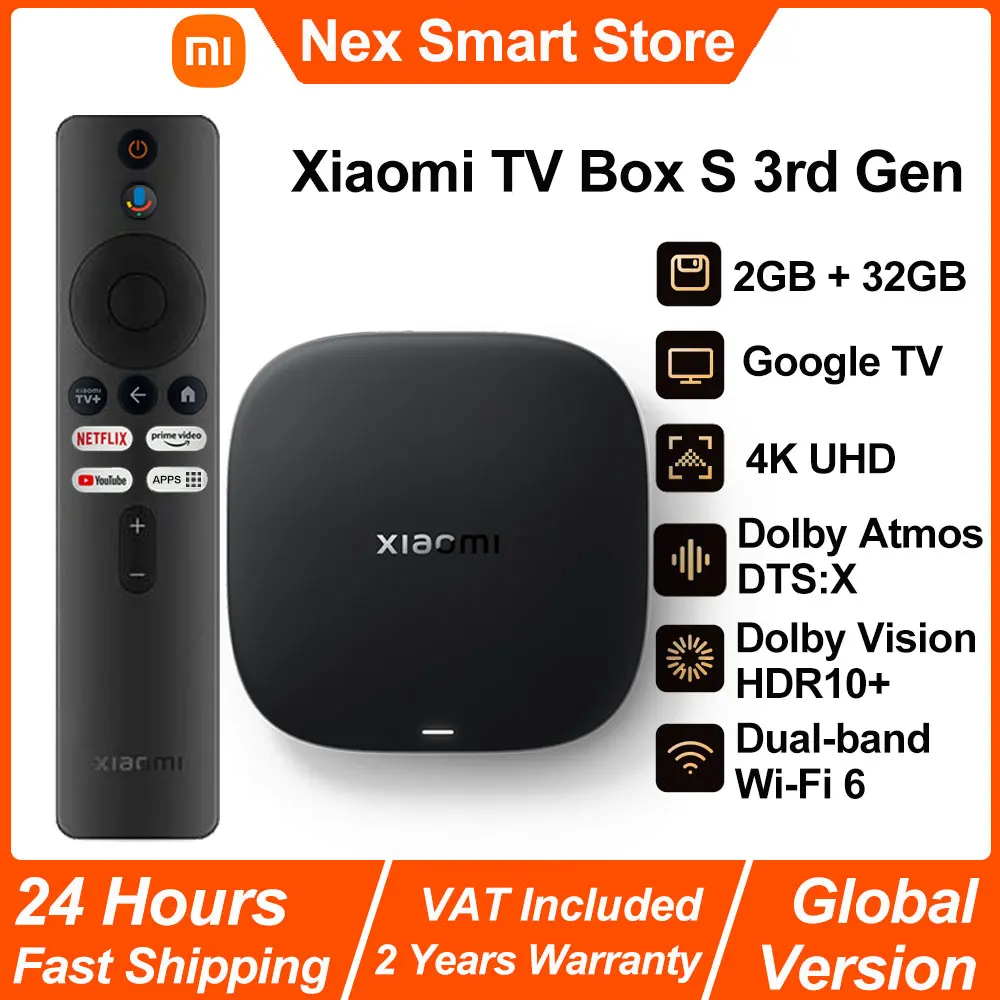
Xiaomi TV Box S 3rd Gen 4K UHD Android TV Box with Google As
Top-rated product for cross-border ecommerce sellers
🛒 Buy Now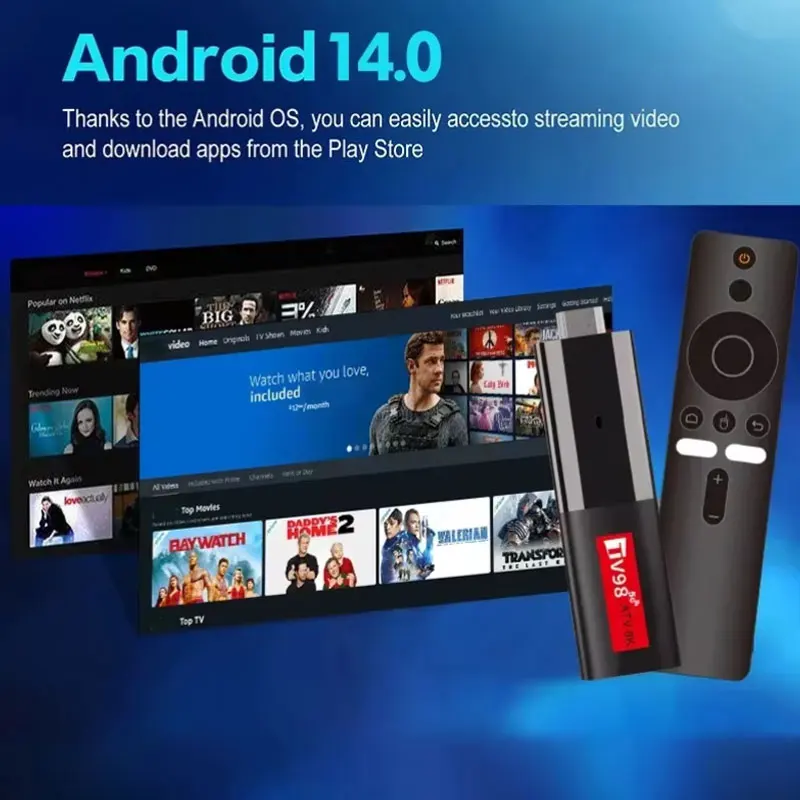
TV Stick Android 14 TV98 ATV 8K Smart H618 2.4G 5G WiFi OTA
Top-rated product for cross-border ecommerce sellers
🛒 Buy Now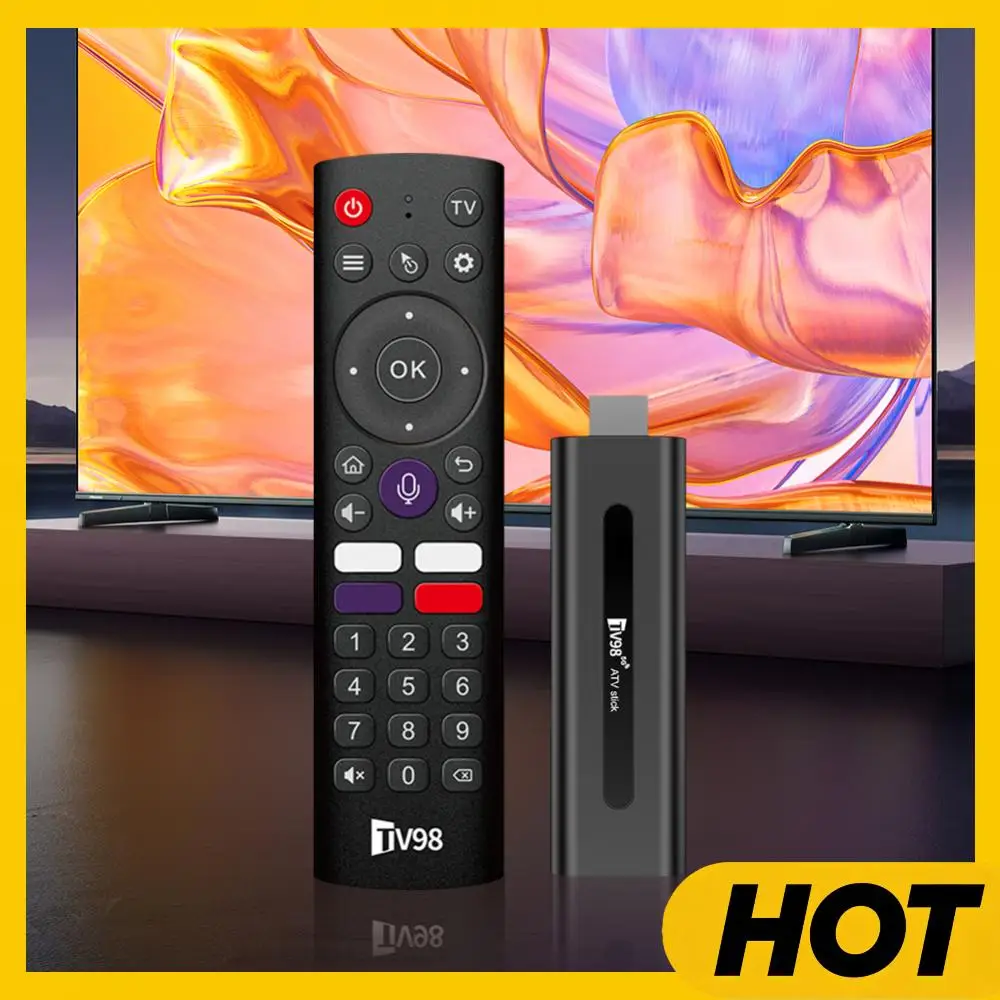
TV98 ATV H313 Set Top Box OFF | 8K 2.4G 5G WiFi Quad Core BT
Top-rated product for cross-border ecommerce sellers
🛒 Buy NowThree Streaming Sub-Niches That Convert
1. Premium Android TV Boxes with Google Assistant
The most sought-after configuration is a certified Android TV box (Android 12/14) with Google Assistant voice control, 4GB RAM + 64GB storage, 8K video decoding, Dolby Audio support, dual-band WiFi 6, and Bluetooth 5.0. Products like the Xiaomi TV Box S 3rd Gen have set the benchmark — sellers who can match or beat this spec at a lower price point have a clear market opportunity. Price range: $40-80.
2. Ultra-Compact TV Sticks (Streaming in a Dongle)
HDMI dongle-style streaming sticks with Allwinner H618 chipset, Android 14 OS, 8K video decode, WiFi 6, and voice remote are the fastest-growing sub-niche. These are plug-and-play — just plug into any HDMI port, connect to WiFi, and stream. The tiny form factor makes them perfect for travel, second TVs, and projectors. Price sweet spot: $15-30.
3. Budget Set-Top Boxes for Emerging Markets
Entry-level ATV set-top boxes with H313 chipset, Android 14, 8K support, 2.4G/5G WiFi, Bluetooth, and USB ports at $10-20 price points are doing massive volume in developing markets. These devices bring smart TV functionality to households that can’t afford a smart TV. The volume opportunity here is enormous — even at thin margins.
Sourcing & Compliance
- Google Certification: Widevine L1 certification is critical for Netflix HD/4K playback. Without it, returns increase significantly.
- HDMI compliance: HDMI 2.0 or 2.1 certification for 4K/8K claims. Many budget boxes claim 8K but only output 1080P.
- WiFi certification: Verify real-world throughput. “WiFi 6” claims on sub-$20 boxes are often marketing fiction.
- App compatibility: Pre-installed app store access matters. Google Play certification is ideal, but third-party stores (Aptoide, etc.) are acceptable alternatives.
SEO Keywords
Android TV box 2026, Xiaomi TV box alternative, 8K streaming stick, Android 14 TV box, smart TV stick, set-top box, Google TV box, Netflix certified TV box, budget streaming device, best TV box under $50.
Marketing Tips
Benchmark videos are powerful. Side-by-side comparisons showing app loading speed, streaming quality, and UI responsiveness against Apple TV and Fire Stick build credibility.
“Unlock your TV” messaging — positioning a TV box as a way to make any TV “smart” is consistently effective.
Bottom Line
The Android TV box category has been a cross-border staple for years and remains strong. As smart TV upgrade cycles slow and cord-cutting continues to grow, dedicated streaming devices still have years of growth ahead — particularly in emerging markets.





