








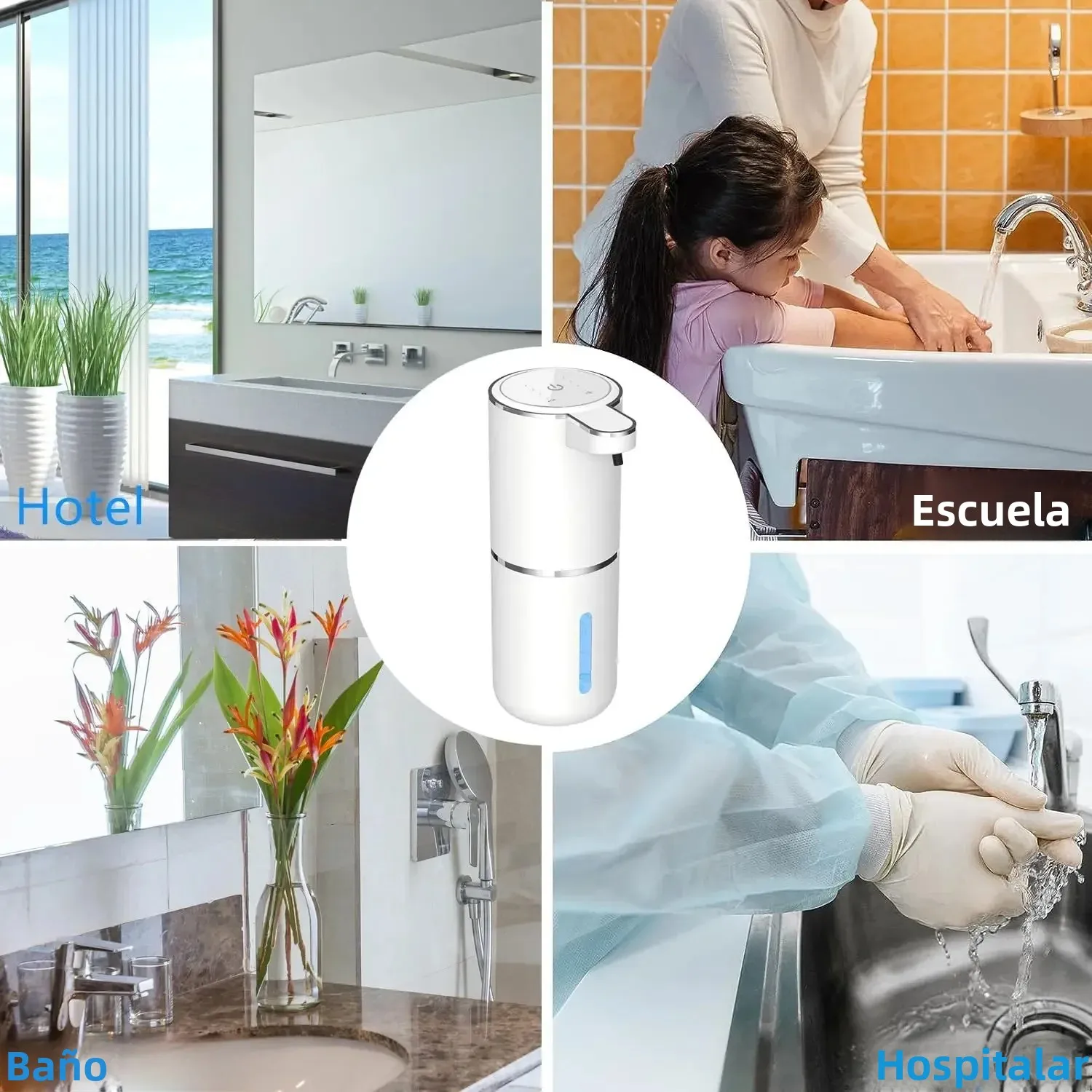
Hand hygiene has never been more important, and touchless technology has moved from a luxury to a standard expectation in modern homes and businesses. An automatic soap dispenser touchless system eliminates cross-contamination, dispenses the perfect amount of soap every time, and adds a sleek, modern look to any bathroom or kitchen. The featured USB rechargeable infrared sensor dispenser — currently available at 67% OFF — is one of the most affordable ways to upgrade your hygiene routine. This comprehensive guide covers everything you need to know about buying, using, and importing automatic soap dispensers.
The Rise of Touchless Hygiene Technology
The global automatic soap dispenser market has experienced explosive growth over the past five years. Valued at approximately $1.2 billion in 2023, the market is projected to reach $2.8 billion by 2030, driven by heightened hygiene awareness in both residential and commercial settings. The COVID-19 pandemic permanently changed consumer expectations around touch-free interactions, and soap dispensers were one of the most direct beneficiaries of this shift.
Several factors sustain this growth. Restaurants, offices, and healthcare facilities increasingly mandate touchless dispensers for compliance with health codes and customer expectations. In homes, parents with young children value the reduced mess and controlled dispensing. And for consumers with mobility issues or arthritis, a touchless dispenser eliminates the need to grip and pump traditional soap bottles.
For small importers, the automatic soap dispenser category offers strong fundamentals: consistent demand across residential and commercial markets, a product that is lightweight and compact for shipping, and healthy margins at the $5-15 retail price point. The featured dispenser at EUR 5.95 represents an aggressive entry price that can support 40-60% retail margins.
How Automatic Soap Dispensers Work: Infrared Sensor Technology Explained
Understanding the technology behind an automatic soap dispenser touchless system helps you evaluate quality and make informed purchasing decisions. The operating principle is straightforward but relies on precise engineering:
Infrared Motion Sensor. The dispenser contains an infrared (IR) LED emitter and a photodetector. When you place your hand within range (typically 3-10cm below the nozzle), your hand reflects the IR light back to the detector. The detector sends a signal to the control circuit, which activates the pump. The response time is usually 0.2-0.5 seconds — virtually instant.
Pump Mechanism. Most affordable dispensers use a small gear pump or diaphragm pump driven by a DC motor. The pump draws liquid soap from the reservoir and pushes it through the nozzle. Higher-end dispensers use peristaltic pumps, which are more durable and less prone to clogging. The featured dispenser uses a standard gear pump that handles most liquid soaps well.
Dosing Control. The amount of soap dispensed per activation is controlled by the pump run time — typically 0.5-1.5 seconds. Most dispensers dispense 0.5-1.0ml per activation, which is the ideal amount for one hand wash. Some models offer adjustable dosing settings, allowing you to increase or decrease the amount as needed.
Power Management. The featured dispenser uses a USB rechargeable battery, which is a significant upgrade over battery-only models. A single USB charge typically lasts 2-4 months with normal household use (10-20 activations per day). The low-power IR sensor and efficient pump motor contribute to this extended runtime.

Smart AI Translation Bluetooth Earphones With LCD Display Noise Reduce New Wireless Digital Long Battery Life Display Headphone

TV98 ATV X9 Smart TV Stick Android14 Allwinner H313 OTA 8GB 128GB Support 8K 4K Media Player 4G 5G Wifi6 HDR10 Voice Remote iptv

Ai Translator Earbud Device Real Time 2-Way Translations Supporting 150+ Languages For Travelling Learning Shopping Business
USB Rechargeable vs. Battery-Operated: Which Is Better?
When choosing an automatic soap dispenser, one of the most important decisions is the power system. The two main options — USB rechargeable and battery-operated — have different advantages:
USB Rechargeable (Featured). The featured dispenser uses a built-in lithium-ion battery charged via micro-USB cable. Benefits: no ongoing battery costs, environmentally friendlier, and consistent power output (no gradual voltage drop as batteries drain). Drawback: you must remember to charge it every 2-4 months, and the battery degrades after 300-500 charge cycles (2-3 years).
Battery-Operated (AA/AAA). Traditional battery-powered dispensers use 4-6 AA batteries lasting 6-12 months. Benefits: instant replacement when dead, no need to move the dispenser to a charger. Drawbacks: ongoing battery cost ($5-15 per year), and low batteries cause reduced pump performance before they die completely.
Our Verdict: USB rechargeable is the better choice for most users. The convenience of charging overnight once every few months outweighs the hassle of buying and replacing disposable batteries. For importers, USB rechargeable dispensers have a higher perceived value and justify a premium price on retail listings.
Features to Evaluate Before Buying or Importing a Touchless Soap Dispenser
Whether you are buying one dispenser for your kitchen or evaluating a container-load for resale, these specifications will determine product quality and customer satisfaction:
Reservoir Capacity. The featured dispenser holds approximately 300-500ml of liquid soap. A 300ml reservoir serves a family of four for about 3-4 weeks before needing a refill. Larger reservoirs (500ml+) reduce refill frequency but increase the physical size of the dispenser. The transparent window on most models lets you see the remaining soap level at a glance.
Material Quality. The outer shell is typically made from ABS plastic, which is lightweight, impact-resistant, and available in various colors and finishes. Higher-end models use stainless steel or frosted glass for a premium look. Check for ABS with UV-resistant coating — it prevents yellowing over time, especially important for white dispensers in kitchens exposed to sunlight.
Waterproof Rating. Kitchen and bathroom environments involve moisture, splashes, and humidity. Look for dispensers with at least IPX4 water resistance (splash-proof from any direction). The featured dispenser includes a waterproof design suitable for wet countertops and splash zones.
Compatibility with Different Soap Types. Most touchless dispensers work with liquid hand soap, dish soap, and hand sanitizer. Gel soaps and thicker formulations may struggle with standard pumps — if you plan to use thick gel soap, look for dispensers specifically rated for high-viscosity liquids. Avoid using oily or gritty hand creams, which can clog the pump mechanism.
Sensor Range and Sensitivity. The ideal sensor range is 5-10cm — close enough to activate reliably but not so sensitive that it triggers accidentally when someone walks past. Some dispensers offer adjustable sensitivity settings, which is useful for homes with pets who might trigger the sensor accidentally.
Touchless Dispensers in Commercial Settings: A Growing Opportunity
While residential use drives volume sales for automatic soap dispensers, the commercial market offers higher margins and recurring revenue opportunities. Restaurants, offices, gyms, medical clinics, and retail stores all require touchless hygiene solutions for compliance and customer satisfaction.





